


As Lucky's increasingly fragile web of lies begins colliding with old loyalties and painful truths, "Are We Bad People?" shifts the focus away from surviving the next obstacle and toward something much harder: living with the choices that made survival possible in the first place. Every crime drama eventually reaches the same crossroads. Can people who have done terrible things become good? Or do they simply become better at justifying terrible things? Episode five asks the question directly. It wisely refuses to answer it.
"Are We Bad People?" is easily the season's most introspective episode so far. After four episodes built around shifting alliances, family dysfunction and carefully orchestrated deception, this chapter slows down just enough to examine the emotional consequences of all that chaos. It's still a thriller, but the suspense comes less from wondering who gets caught and more from wondering who still recognises themselves. That's a much more interesting mystery.
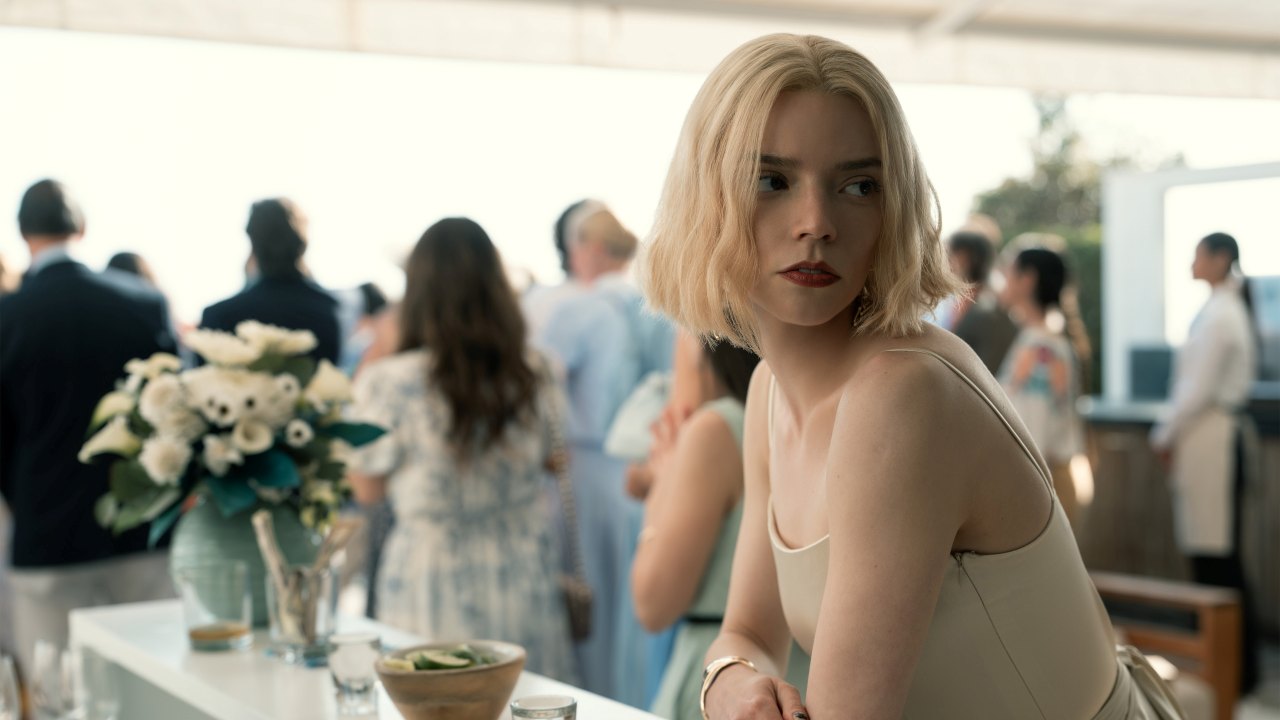
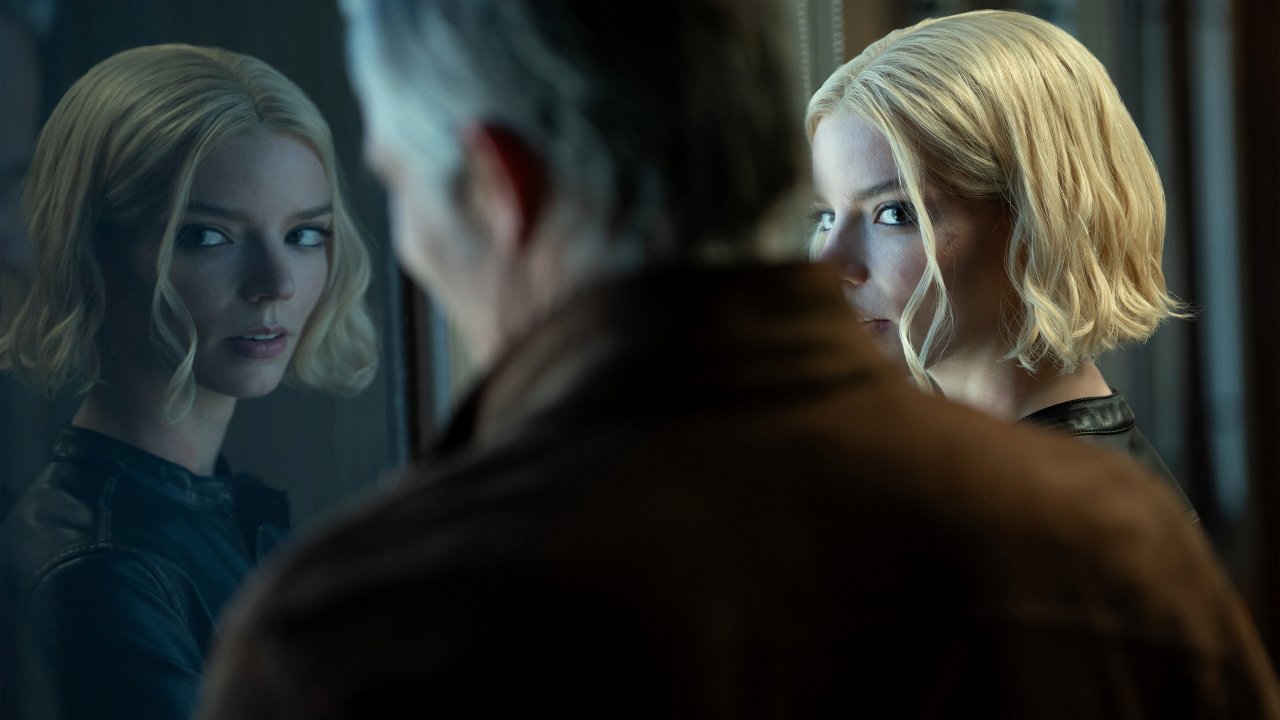
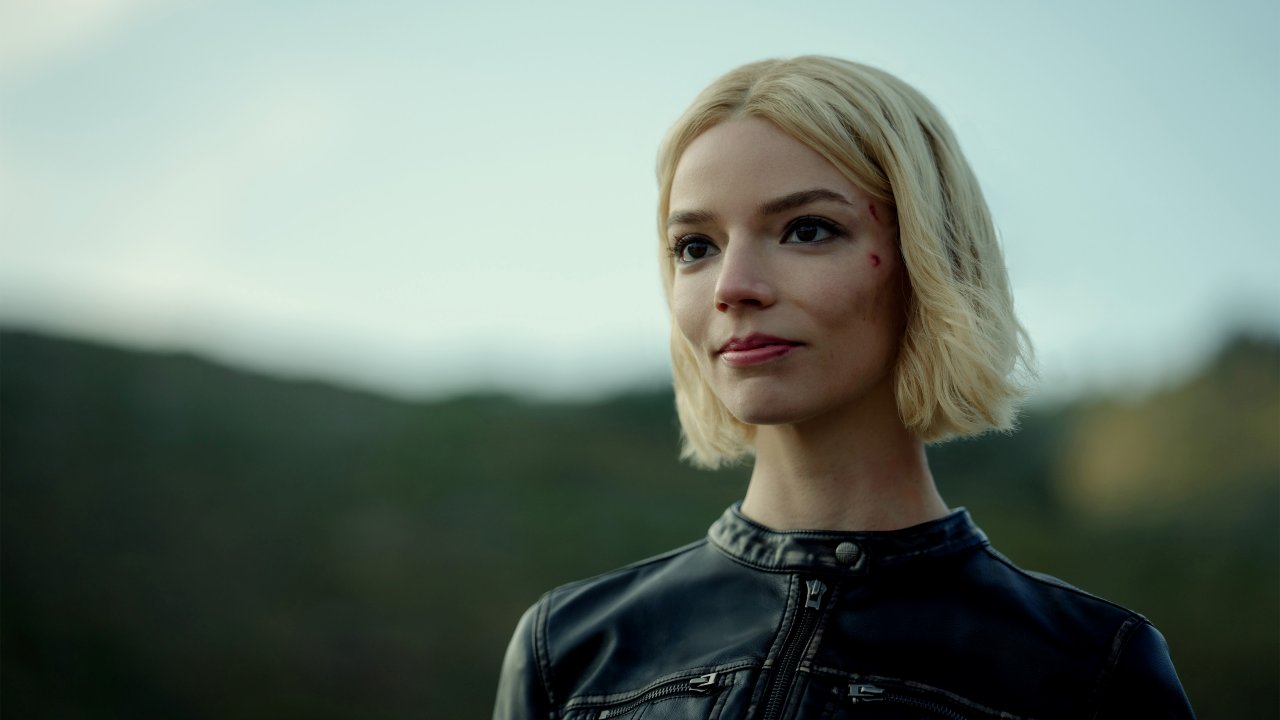
Anya Taylor-Joy continues proving why Lucky works as more than another charismatic con artist. Lesser performances would lean into the glamour of deception, but Taylor-Joy consistently reveals the exhaustion beneath it. Lucky isn't someone who enjoys lying. She's someone who's become frighteningly good at it. There's an important difference. Throughout the episode, Taylor-Joy quietly chips away at the image of Lucky as someone permanently in control. The confidence remains, but so do the cracks. Every new compromise feels heavier than the last, and the episode repeatedly asks whether survival eventually becomes indistinguishable from surrendering pieces of yourself. It's some of her strongest work this season.
Timothy Olyphant also gets more room to breathe here, and once again the family material proves far more compelling than the mechanics of the crime itself. His scenes with Taylor-Joy carry years of shared history without ever feeling burdened by exposition. The relationship remains difficult to categorise—part affection, part resentment, part mutual disappointment—and that's exactly why it continues working. Nobody in this family seems capable of having a simple conversation. They're all fluent in emotional subtext.
The supporting ensemble benefits from the slower pace as well. Characters who previously existed mainly as pieces on the thriller chessboard begin feeling more like individuals with their own moral calculations. One of the episode's biggest strengths is recognising that nearly everyone believes they're acting for understandable reasons. That's considerably more unsettling than obvious villains. The writing also deserves praise for trusting silence.
Several of the most effective scenes aren't built around major revelations but around hesitation. Someone pauses before answering. Someone chooses not to ask another question. Someone realises they already know the answer but desperately wishes they didn't. The episode understands that guilt rarely announces itself dramatically. It usually arrives quietly. And refuses to leave. Visually, Lucky remains effortlessly stylish without ever allowing aesthetics to overpower character. The direction continues favouring intimate conversations over unnecessary spectacle, and the cinematography reinforces the emotional isolation surrounding nearly every major player. Even crowded spaces somehow feel lonely.
The pacing is equally confident. Rather than rushing toward another elaborate twist, "Are We Bad People?" spends time deepening emotional relationships before the season's final stretch. It feels less like an interruption to the thriller and more like the reason the thriller matters in the first place. That said, the episode isn't entirely flawless. The mystery occasionally remains more guarded than necessary. There are still moments where characters speak around important information instead of through it, and while ambiguity has become part of the show's identity, it sometimes edges dangerously close to feeling manufactured.
A few supporting characters also continue hovering just outside genuine emotional complexity. They're consistently well performed, but several remain more intriguing as possibilities than as fully realised people. Fortunately, neither issue significantly weakens the episode. What impressed me most is how comfortable Lucky has become allowing its central question to remain unresolved. The title asks whether these people are bad. The episode quietly suggests that's the wrong question. People rarely divide themselves into heroes and villains. Most simply keep making decisions they believe they can live with. Until one day they can't. That's where Lucky becomes far more than another crime series.
By the end, I was wondering whether anyone here genuinely believed they deserved a happy ending anymore. That's considerably harder to answer. Lucky continues its impressive run with an episode that trades spectacle for introspection without sacrificing tension. Anya Taylor-Joy delivers another quietly exceptional performance, Timothy Olyphant deepens the show's emotional core, and "Are We Bad People?" smartly reframes the central conflict as a moral rather than procedural one. While the series occasionally remains overly protective of its mysteries and a few supporting characters still deserve greater attention, this is one of the season's richest episodes—proof that the most compelling crimes are often the ones committed against your own conscience.
Final Score - [7.5/10]


Hi Everyone, after a due consideration, we have decided that we will be open for donations to help us in managing our website. We will be greatful for any kind of amount we receive. Thanks!
— Midgard Times 🎬 (@Moviesr_net) January 4, 2026
PayPal- [email protected] pic.twitter.com/DlNNz5Npm5
Get all latest content delivered to your email a few times a month.
Bringing Pop Culture News from Every Realm, Get All the Latest Movie, TV News, Reviews & Trailers
Got Any questions? Drop an email to [email protected]


 © Copyrights MOVIESR.NET All rights reserved