


Five episodes into its second season, Women in Blue has reached the point where the investigation no longer feels safely contained within police work. “Lozano” makes the threat feel closer and more personal, and that shift gives the episode an urgency that some of the season’s slower investigative stretches have lacked. I liked this episode considerably.
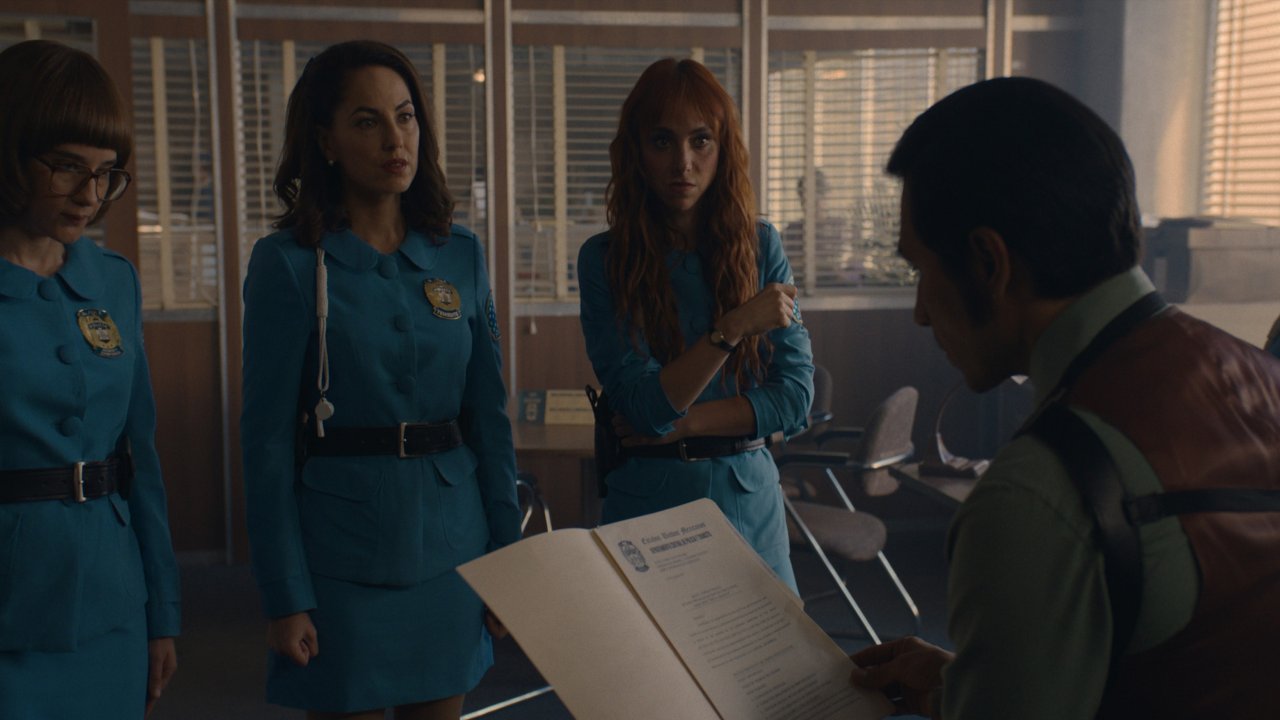
The disappearance of another detective is a smart escalation because it changes the psychological atmosphere of the case. Until now, María and the Azules have been able to approach the investigation primarily as detectives: examine evidence, challenge assumptions, question witnesses, follow inconsistencies. Here, fear itself becomes part of the investigation. The people trying to find the perpetrator are increasingly aware that being police officers doesn't necessarily protect them from becoming targets. That immediately makes every conversation feel a little less secure.
What continues to impress me about Women in Blue is how rarely it needs to become an outright action series to generate tension. Fernando Rovzar's direction is patient. Rooms are allowed to feel uncomfortable. Silences last. People watch one another. Information often matters more than confrontation. That restraint suits the series enormously.
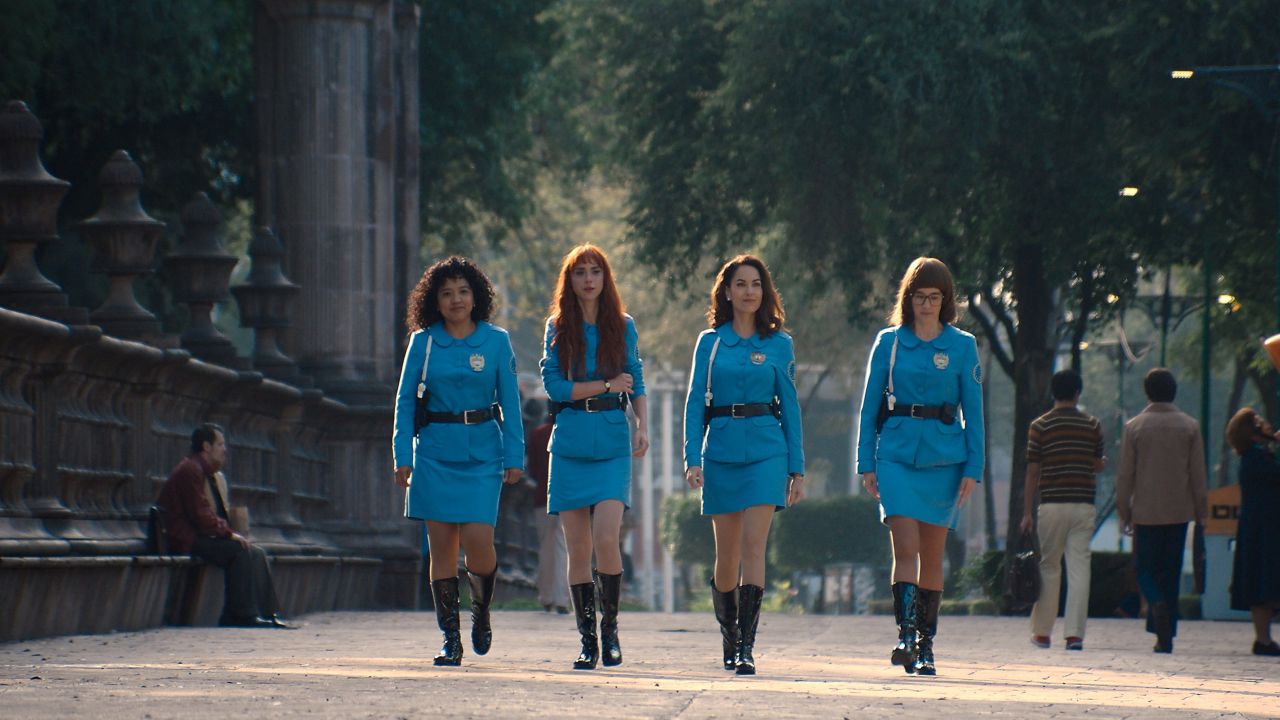
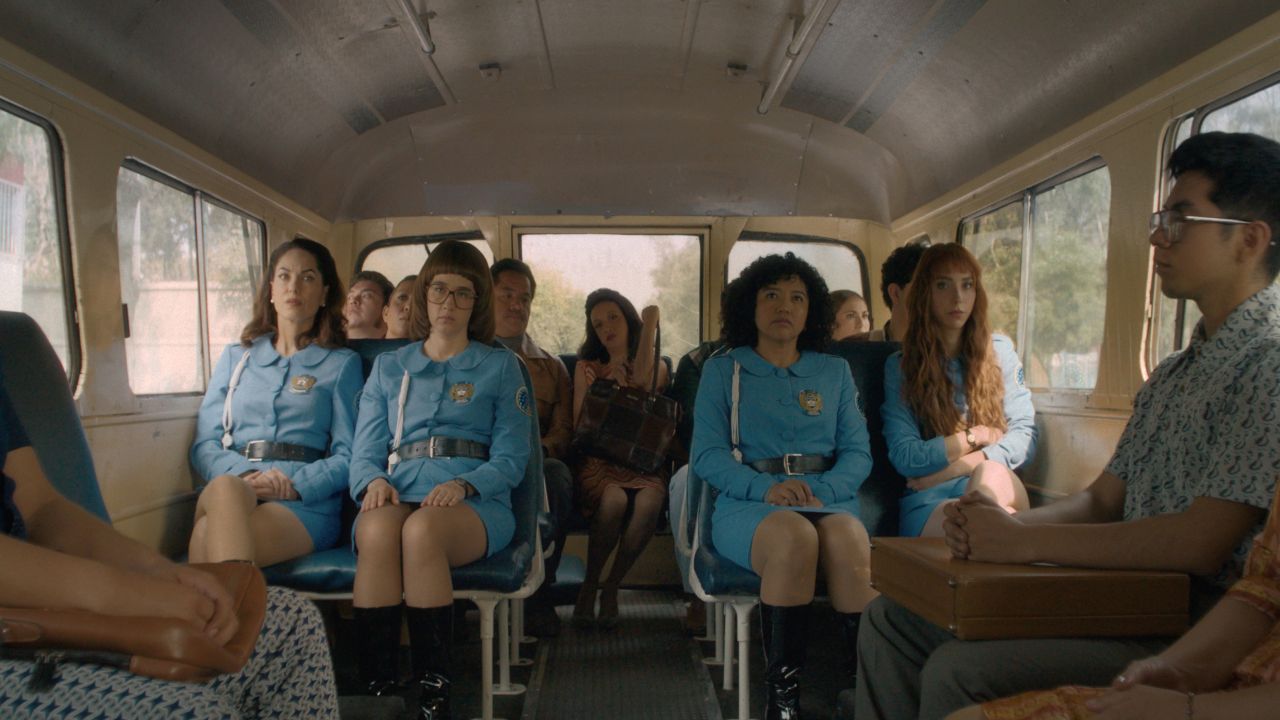
It also helps that Season 2 has become much better at using the four women as genuinely different investigators rather than simply four variations on the same determined police officer. María, Valentina, Ángeles and Gabina approach danger differently because they understand both the institution and their positions within it differently. That distinction has become increasingly important as the investigation has grown more politically and personally dangerous. Bárbara Mori remains the show's anchor as María.
Her promotion to lieutenant this season has been particularly useful because it hasn't simply given her more authority; it has given her more responsibility for things she cannot control. María is now caught between leadership and instinct. She has to function within a police hierarchy that has repeatedly demonstrated how unreliable it can be while simultaneously trusting the investigative instincts that have made her effective in the first place. Mori plays that tension beautifully. There is a controlled quality to her performance that makes María's moments of uncertainty much more effective. She doesn't need to announce that she is frightened or overwhelmed. You can see María constantly calculating: what does she know, what can she prove, whom can she trust, and what happens if she is wrong?
“Lozano” benefits particularly from placing some of that professional tension beside María's relationship with her daughter. The official premise deliberately brings her family life into an episode dominated by escalating danger, and the contrast is effective. María can investigate murderers and challenge senior policemen, but motherhood exposes an entirely different vulnerability. That has always been one of the series' strengths. These women don't cease to have families, relationships, or obligations simply because the plot needs them to become detectives for an hour.
The period setting also continues to matter beyond aesthetics. Women in Blue is set in a world where these women are already treated as intruders within their profession. Every mistake can be interpreted not merely as an individual failure but as evidence that women never belonged there in the first place. That makes the Azules' willingness to contradict their male colleagues considerably more consequential than the standard television trope of brilliant detectives ignoring incompetent superiors. Episode 4, “Arizmendi,” established that particularly well: the other detectives were convinced they knew who was killing corrupt police officers, while the Azules remained unconvinced. “Lozano” benefits from that groundwork because the consequences of being wrong—or of trusting the wrong conclusion—now feel much more immediate. And I think this is where Season 2 is beginning to surpass its early episodes. The mystery has finally accumulated enough weight.
The investigation into targeted killings, the institutional corruption surrounding the case, and the political history underneath it no longer feel like separate threads waiting to be connected. There is a growing sense that uncovering the truth may be considerably more dangerous than simply identifying one murderer. That makes “Lozano” feel like an important midpoint episode rather than connective tissue between bigger chapters.
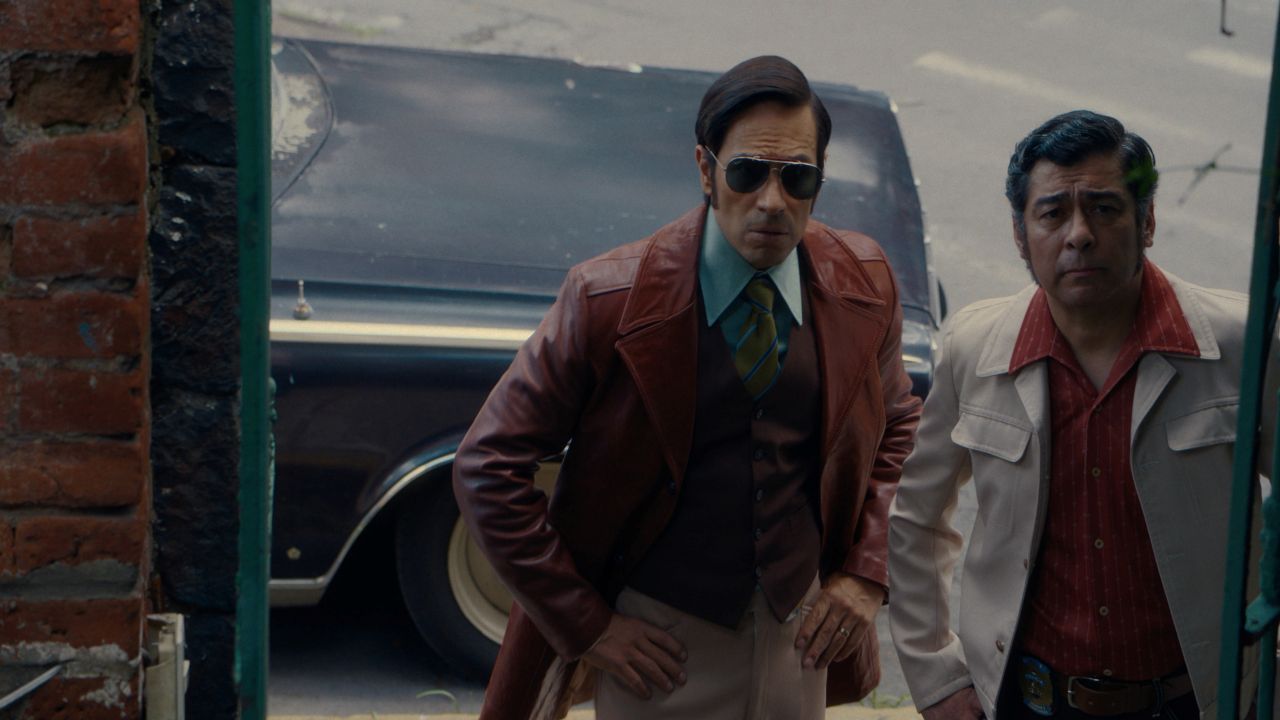
I also appreciate that the series continues to resist turning every male officer into a cartoon misogynist. Sexism is embedded throughout the institution, certainly, but the relationships are more complicated than women good, men useless. Alliances shift. Some men underestimate the Azules; others increasingly recognise their competence. That ambiguity makes the institutional dynamics far more convincing.
The episode isn't flawless. There are still moments where Women in Blue moves information around the board more efficiently than dramatically. Some investigative conversations exist primarily because the audience needs another piece of the puzzle, and occasionally I can feel the screenplay positioning everyone for the next revelation. The pacing is also deliberately measured, which won't work equally well for everyone. This remains a detective drama before it is a thriller. Anyone expecting the disappearance at the centre of the episode to turn Women in Blue into fifty minutes of frantic pursuit may find the restraint frustrating.
With only eight episodes this season, “Lozano” arrives at exactly the right moment to tighten everything. There are only three episodes left after this, and the season now feels as though it has finished arranging its pieces and is ready to start knocking them over. That is what I wanted from Episode 5. Not necessarily a huge revelation or an artificial cliffhanger, but a change in pressure.
“Lozano” provides that. The investigation feels more dangerous, María's personal and professional worlds begin to overlap in uncomfortable ways, and the Azules operate in an environment where simply being correct may no longer be enough to keep them safe. Most importantly, the episode reinforces what makes Women in Blue such an effective crime drama. The mystery matters, but the show is equally interested in what investigating that mystery costs the women doing it. At this point, I'm much more invested in seeing where the season takes them than I was three episodes ago.
Final Score - [7.5/10]

Hi Everyone, after a due consideration, we have decided that we will be open for donations to help us in managing our website. We will be greatful for any kind of amount we receive. Thanks!
— Midgard Times 🎬 (@Moviesr_net) January 4, 2026
PayPal- [email protected] pic.twitter.com/DlNNz5Npm5
Get all latest content delivered to your email a few times a month.
Bringing Pop Culture News from Every Realm, Get All the Latest Movie, TV News, Reviews & Trailers
Got Any questions? Drop an email to [email protected]



 © Copyrights MOVIESR.NET All rights reserved