


After spending most of Season 2 steadily expanding its web of murders, corruption, mistrust, and institutional pressure, Women in Blue finally reaches the point where all that accumulated tension has to pay off. The finale is understandably more urgent than some of the slower investigative episodes that preceded it, but what I appreciated most is that it doesn't completely abandon the character work in favour of simply solving the mystery.
The central investigation remains the backbone of the episode, but the emotional stakes give the conclusion its weight. By this point, the Azules aren't just trying to identify the person responsible. They have been forced to confront how much the case has changed their relationships with one another, their understanding of the police institution, and their own ideas about justice. That makes the finale feel like a conclusion to the season rather than simply the final chapter of a whodunit.
The biggest strength is the atmosphere of urgency. There is a sense that the investigation has reached the point where hesitation is no longer an option. Earlier episodes were able to spend time following leads and questioning possibilities; here, the characters have to act on what they know. That gives the episode a sharper rhythm and makes the remaining uncertainty considerably more effective.
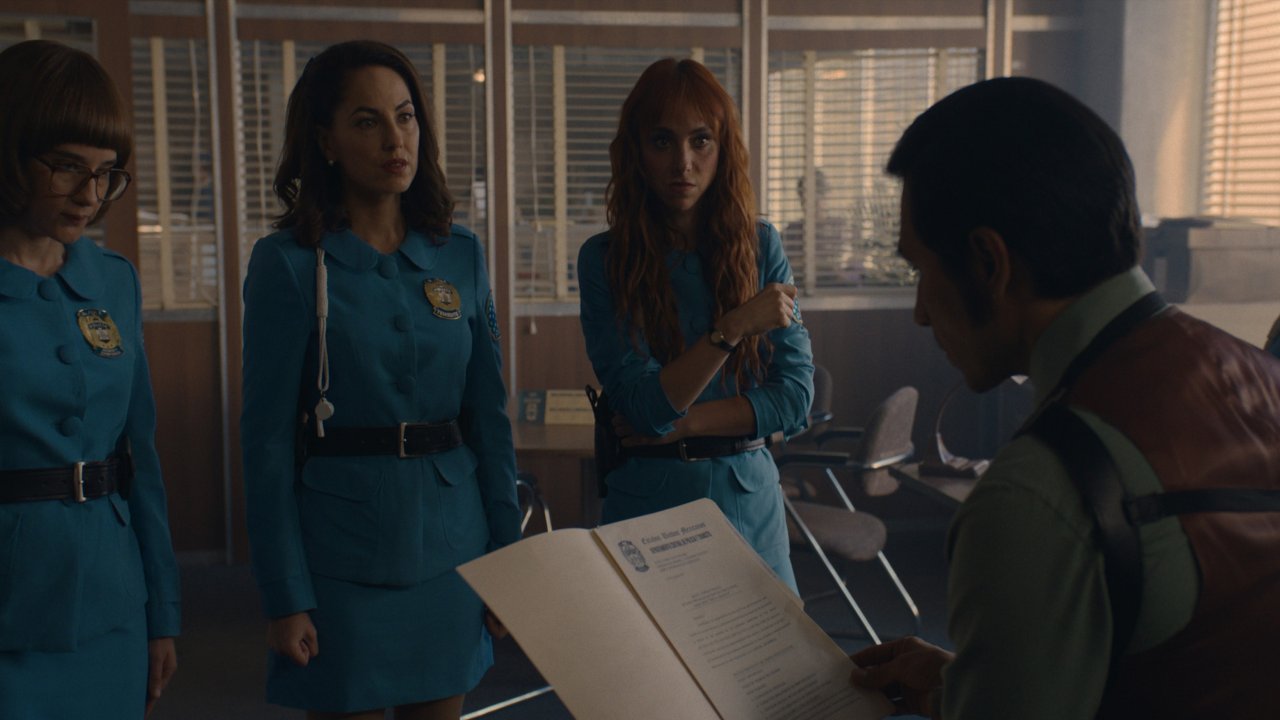
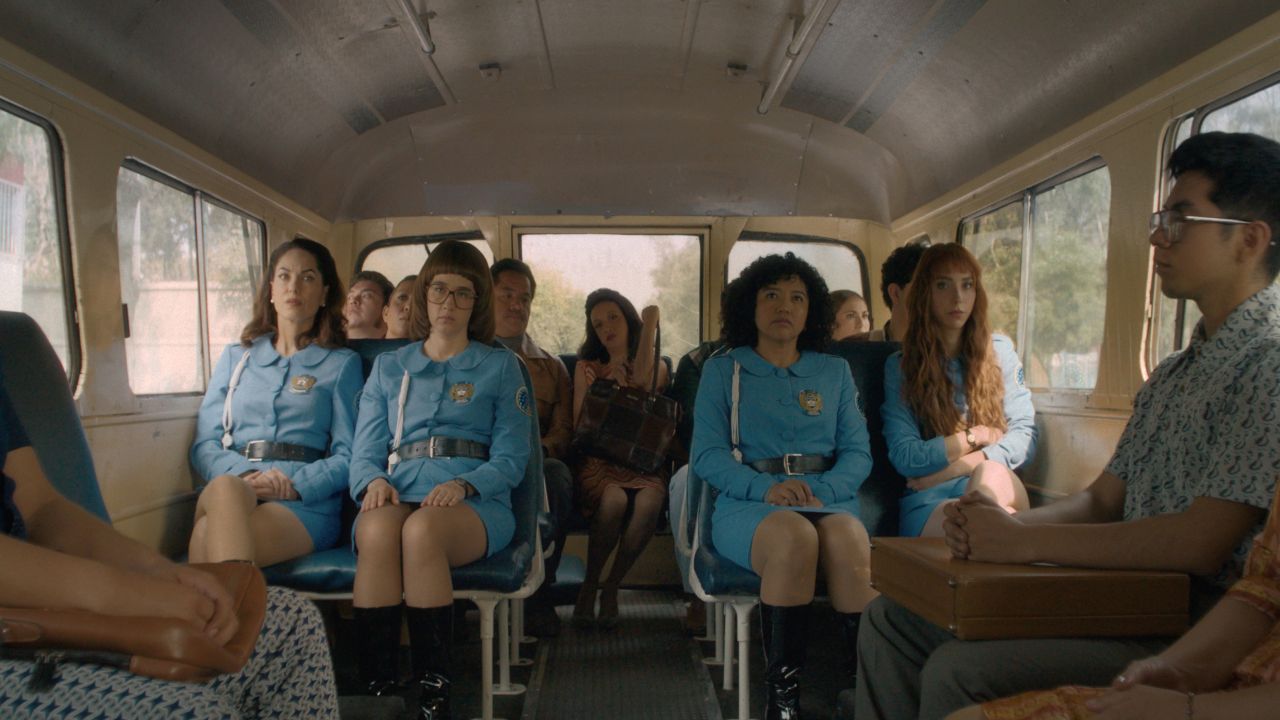
I also liked that the show doesn't completely reduce its characters to detectives at this stage. María, Valentina, Gabina, and Ángeles have all been changed by what they've experienced, and the finale works best when those changes show in how they approach the investigation. Their professional responsibilities and personal relationships have become impossible to separate. That has been one of the better aspects of this season in general.
The mystery itself is satisfying largely because the show has spent so much time building the circumstances around it. Women in Blue has never been a particularly straightforward procedural, and the finale retains that complexity. The case is connected to larger questions about power, corruption, and the institution the women are working inside. Consequently, solving the immediate threat doesn't magically make all of those problems disappear. I think that is the right choice.
A perfectly clean resolution would actually feel somewhat inconsistent with what the season has been saying. The series has repeatedly shown that individual acts of violence exist within larger systems, and that exposing one person doesn't necessarily repair the environment that allowed everything else to happen. The episode also benefits from the accumulated history between the four women. Their friendship has been tested repeatedly, particularly as the investigation has become more dangerous, and the finale understands that trust is one of the most important things at stake. The case requires them to rely on one another at precisely the moment when their personal relationships have become more complicated. That gives the episode a welcome emotional layer.
I particularly appreciated the contrast between María's increasing authority and the vulnerability that comes with having responsibility for the others. Her position has changed substantially over the course of the season, but the finale doesn't make leadership look like a simple promotion. The more authority she gains, the more consequences she has to carry. The same applies to Valentina and Gabina, whose relationship has become one of the season's more interesting emotional threads. Their differences have always made them compelling together, but the pressure of the investigation has forced those differences into sharper focus. Their dynamic gives the finale some of its human tension without requiring the episode to manufacture another melodramatic subplot.
Visually, the episode remains consistent with the show's subdued, period-crime aesthetic. Women in Blue has never relied exclusively on spectacle, and I think that restraint serves the finale well. The tension comes primarily from the circumstances and the characters rather than from constantly escalating action. There are, however, moments where the episode feels like it is carrying the weight of several different stories at once. Eight episodes isn't an enormous amount of space for a mystery this layered, and some of the broader institutional ideas inevitably receive less attention than I would have liked once the central investigation takes priority.
I also think the finale could have trusted its audience slightly more. Women in Blue occasionally has a tendency to explain the significance of something after the audience has already understood it. That doesn't completely undermine the payoff, but it does take some subtlety away from moments that could have been allowed to speak for themselves. Still, the overall effect is satisfying. What works about this season is that the Executioner investigation has never existed in isolation. It has been a way of examining the Azules themselves: their ambitions, their loyalties, their compromises, and their increasingly complicated relationship with the institution they represent. The finale brings those strands together reasonably well.
After everything these women have been through, there is inevitably some relief in concluding. But the ending also leaves the impression that solving the case hasn't magically solved everything around it. The police institution remains complicated, the women remain imperfect, and the world they inhabit remains considerably messier than a single answer can fix. Season 2 has been at its strongest when it has treated the murder investigation as a doorway into questions about power, trust, and institutional failure rather than as an end in itself. The finale doesn't suddenly become a completely different show. It follows through on that approach while giving the central mystery the attention it deserves.
I wouldn't call it a flawless conclusion. Some of the season's larger ideas could have been developed more evenly, and the amount of material packed into the final stretch occasionally makes the episode feel slightly overburdened. But there is enough tension, character investment, and accumulated history here to make the conclusion land. More importantly, the four women remain the reason the show works. The mystery may have brought them together, but their relationships are what made me care about whether they would make it through. After a season spent asking who can be trusted, Women in Blue ends by making that question feel much bigger than simply identifying a killer.
Final Score - [8/10]



Hi Everyone, after a due consideration, we have decided that we will be open for donations to help us in managing our website. We will be greatful for any kind of amount we receive. Thanks!
— Midgard Times 🎬 (@Moviesr_net) January 4, 2026
PayPal- [email protected] pic.twitter.com/DlNNz5Npm5
Get all latest content delivered to your email a few times a month.
Bringing Pop Culture News from Every Realm, Get All the Latest Movie, TV News, Reviews & Trailers
Got Any questions? Drop an email to [email protected]



 © Copyrights MOVIESR.NET All rights reserved