

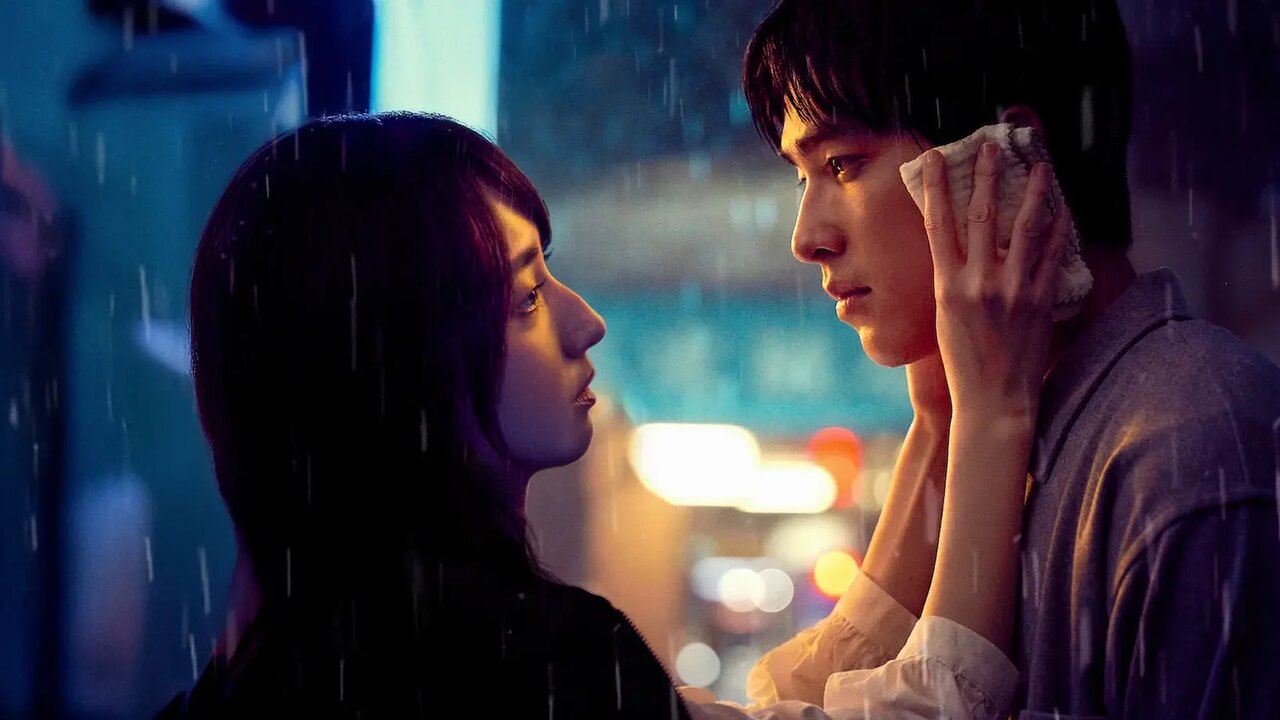
I’ll start by admitting something upfront: Had I Not Seen the Sun Part 2 is not here to comfort you, entertain you gently, or make you feel emotionally accomplished. It’s here to sit across from you, stare a little too long, and ask whether you’re absolutely sure you want answers. I came into Part 2 expecting a sharper thriller, cleaner resolutions, and maybe a little narrative mercy. What I got instead was a series that doubles down on emotional discomfort, psychological ambiguity, and the kind of slow-burn tension that makes you question your life choices at 2 a.m. while Netflix asks if you’re still watching. I was. Regretfully. Enthusiastically.
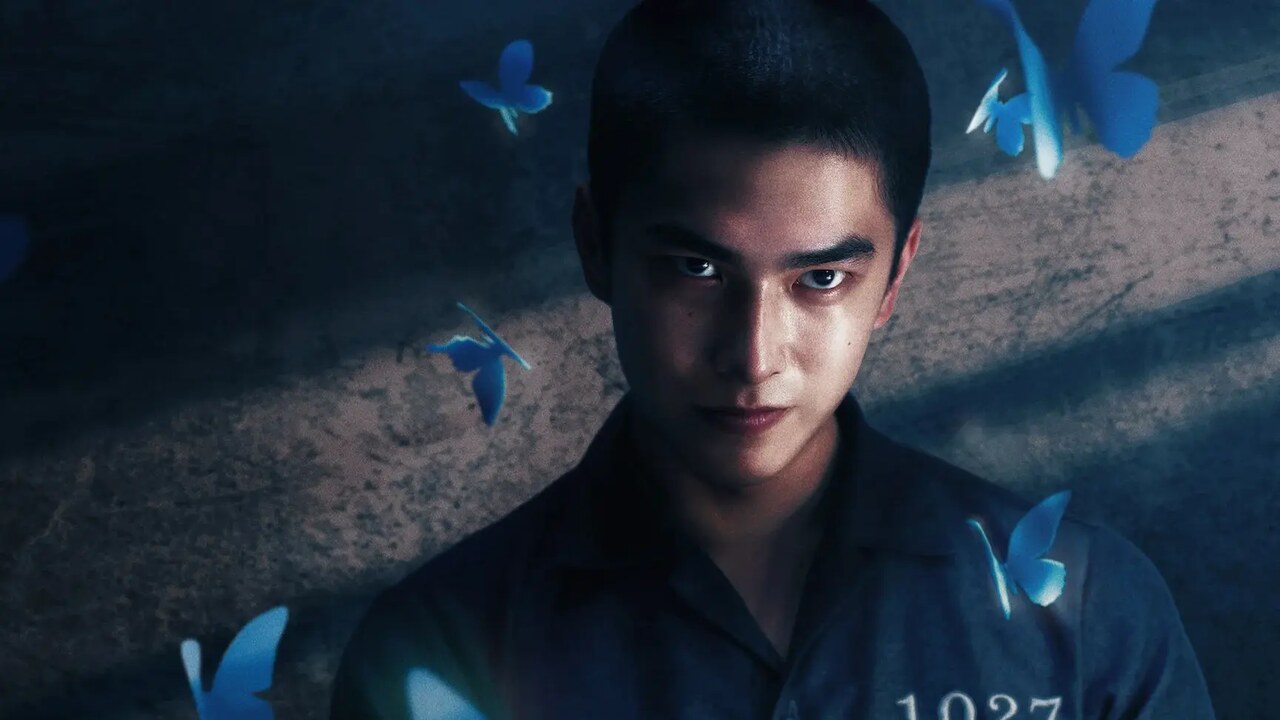
Picking up after the uneasy ending of Part 1, the show makes it clear almost immediately that this isn’t a redemption story and definitely not a conventional crime drama. Li Jen-yao remains at the center, and the show continues to do the most dangerous thing possible: asking us to sit with him rather than judge him from a safe distance. He is not softened, excused, or theatrically villainized. Instead, he’s presented as deeply damaged, painfully restrained, and terrifyingly ordinary. Watching him navigate the consequences of his past actions feels less like watching a criminal unravel and more like watching trauma rot quietly from the inside out.
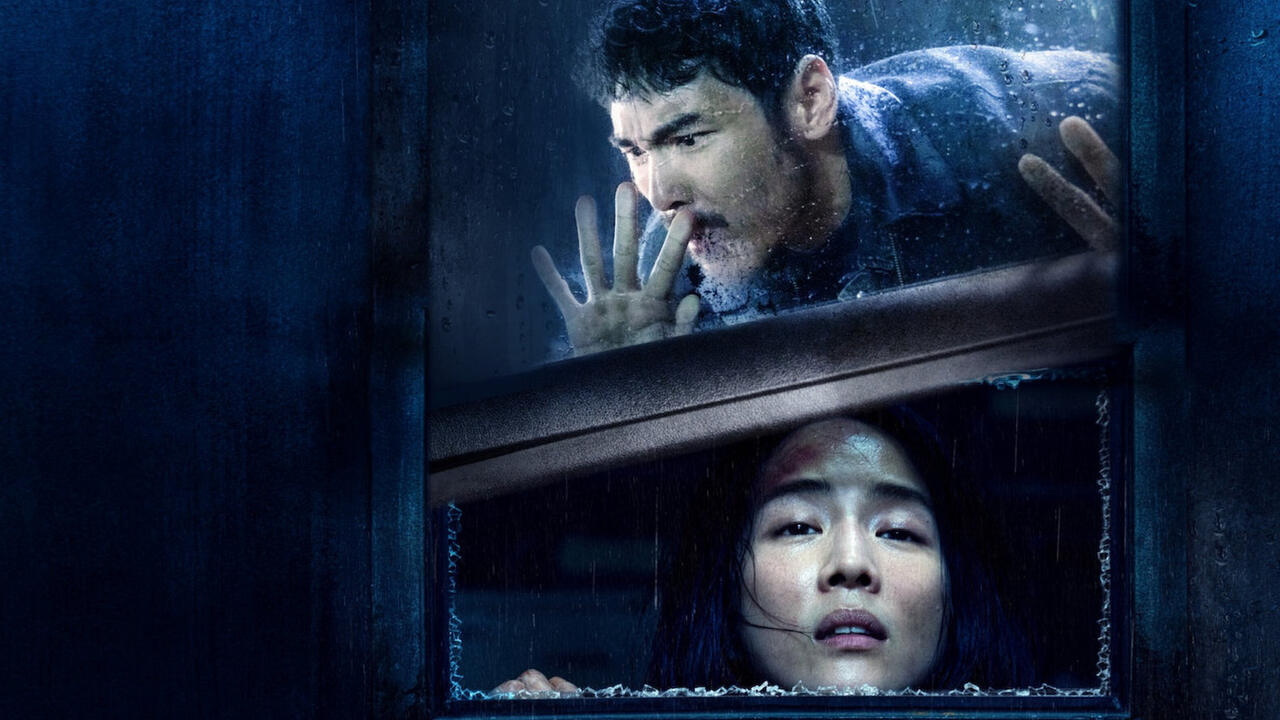
One of the smartest decisions Part 2 makes is shifting focus outward. This is no longer just Jen-yao’s story. The narrative widens to include the people still orbiting his past, whether they want to or not. The introduction and development of Hsia Tien-ching is easily the most compelling and anxiety-inducing thread of the season. Her resemblance to Chiang Hsiao-tung, Jen-yao’s first love, is not treated as a cheap mystery hook. Instead, it becomes a psychological landmine. Every interaction involving her feels loaded, like the show is daring you to draw conclusions and then quietly punishing you for being confident about them.
Alice Ko’s performance here deserves serious credit. She manages to play warmth, distance, sincerity, and emotional opacity all at once. At no point did I feel like I fully understood her character, and that’s very much the point. The show weaponizes uncertainty, forcing you to constantly reassess what you think you know. It’s exhausting in the best and worst ways.
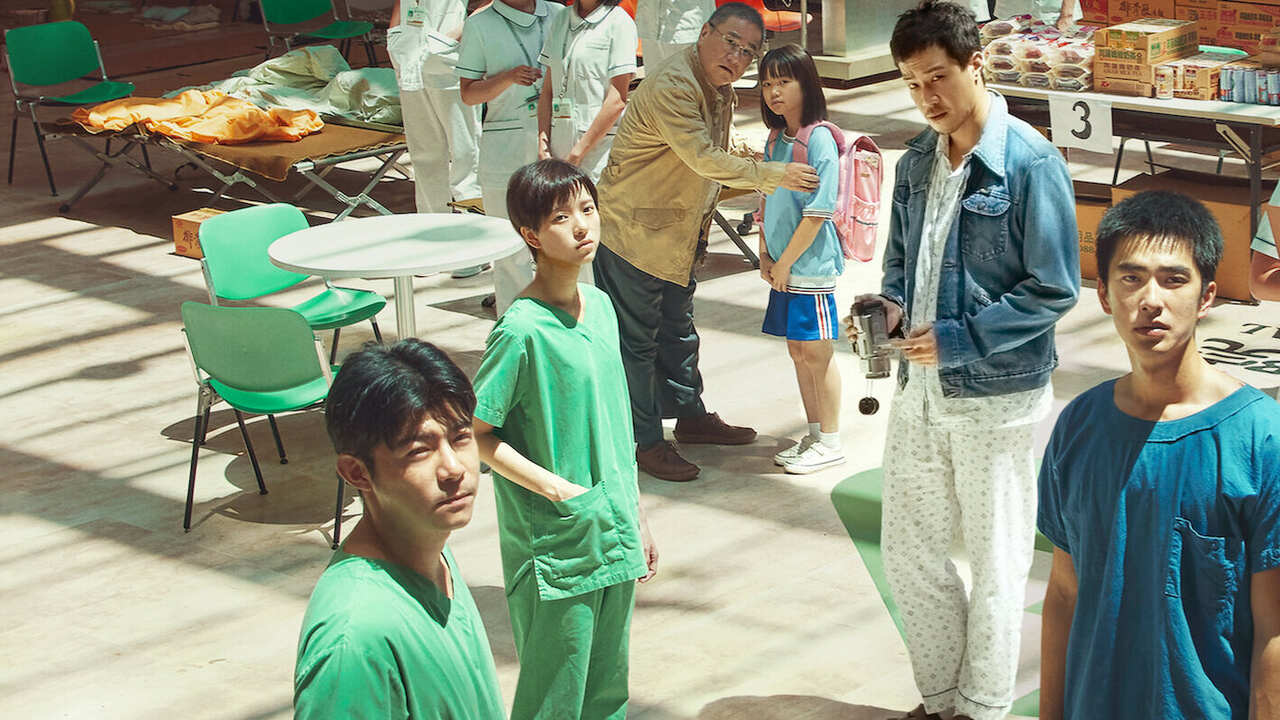
Chen Che-li’s arc provides a necessary counterbalance. His guilt over the past and his obsession with uncovering the truth give the story its most recognizably human emotional beats. Where Jen-yao internalizes everything to a disturbing degree, Che-li externalizes his pain through bad decisions and misplaced urgency. The show resists the temptation to turn him into a hero or moral anchor, which I appreciated. He’s flawed, reactive, and sometimes irritatingly passive, but he feels real. His storyline quietly reinforces one of the series’ core ideas: surviving something traumatic doesn’t mean you escaped it.
Tonally, Part 2 is heavy, but it isn’t humorless. The humor that does appear is dry, uncomfortable, and deeply situational. It shows up in moments where characters are forced to interact normally despite carrying unbearable emotional baggage. There are scenes where the awkwardness alone becomes funny, not because the show is cracking jokes, but because human behavior under pressure is inherently ridiculous. It’s the kind of humor that makes you laugh and then immediately wonder if you should apologize to the screen.
From a storytelling perspective, the series remains deliberately patient, sometimes to its own detriment. The pacing is confident but occasionally indulgent. Certain episodes linger too long on emotional beats that have already landed, as if the show doesn’t fully trust that you understood them the first time. A few subplots feel like they exist to maintain mood rather than advance character or plot, and while they’re never outright bad, they do slow momentum. I found myself wishing the narrative would move forward just a bit faster, even as I respected its refusal to rush.
Visually, the show continues its commitment to restrained, atmospheric storytelling. The cinematography favors muted colors, controlled framing, and a quiet sense of dread that seeps into nearly every scene. This works beautifully when the story leans into memory, repression, and emotional distance. Occasionally, though, the aesthetic becomes almost too self-aware. There are moments where the visual language feels so carefully composed that it threatens to overshadow the rawness of the material. It’s elegant, but sometimes a little too in love with its own mood.
The writing remains sharp and understated. Dialogue is sparse but purposeful, often leaving emotional gaps that actors fill through performance rather than exposition. That said, the show’s commitment to ambiguity can verge on frustration. A few late-season revelations feel intentionally vague to the point of emotional detachment. I understand the creative choice, but there were moments where I wanted clarity, not for plot reasons, but for emotional payoff. The show occasionally confuses withholding information with depth, and while those moments are rare, they stand out.
Still, when Part 2 hits, it really hits. The emotional confrontations, the slow realization of buried truths, and the final stretch of episodes carry a quiet intensity that feels earned. The ending, in particular, refuses to tidy things up in a way that would be comforting or conventional. Instead, it stays true to the series’ central philosophy: some damage doesn’t resolve, some answers don’t heal, and some people don’t get to move on cleanly. I didn’t walk away feeling satisfied, but I did feel respected as a viewer, which honestly matters more.
In the end, Had I Not Seen the Sun Part 2 is a frustrating, intelligent, deeply uncomfortable continuation that understands its own emotional weight. It’s not always graceful, not always efficient, and not always kind to its audience, but it’s consistently thoughtful. I rolled my eyes at certain narrative choices, questioned a few pacing decisions, and wanted to shake some characters by the shoulders. Yet I stayed engaged the entire time. The show knows exactly what kind of story it’s telling, and it commits fully, even when that commitment risks alienating viewers who want cleaner answers.
It’s not an easy watch, and it’s not trying to be. For all its imperfections, it lingers in your head longer than most thrillers dare to. And honestly, that lingering discomfort feels intentional. The sun may finally be visible by the end, but the show makes sure you understand that seeing it doesn’t mean the darkness ever really goes away.
Final Score- [6.5/10]
Reviewed by - Anjali Sharma
Follow @AnjaliS54769166 on Twitter
Publisher at Midgard Times
Hi Everyone, after a due consideration, we have decided that we will be open for donations to help us in managing our website. We will be greatful for any kind of amount we receive. Thanks!
— Midgard Times 🎬 (@Moviesr_net) January 4, 2026
PayPal- [email protected] pic.twitter.com/DlNNz5Npm5
Get all latest content delivered to your email a few times a month.
Bringing Pop Culture News from Every Realm, Get All the Latest Movie, TV News, Reviews & Trailers
Got Any questions? Drop an email to [email protected]


 © Copyrights MOVIESR.NET All rights reserved