

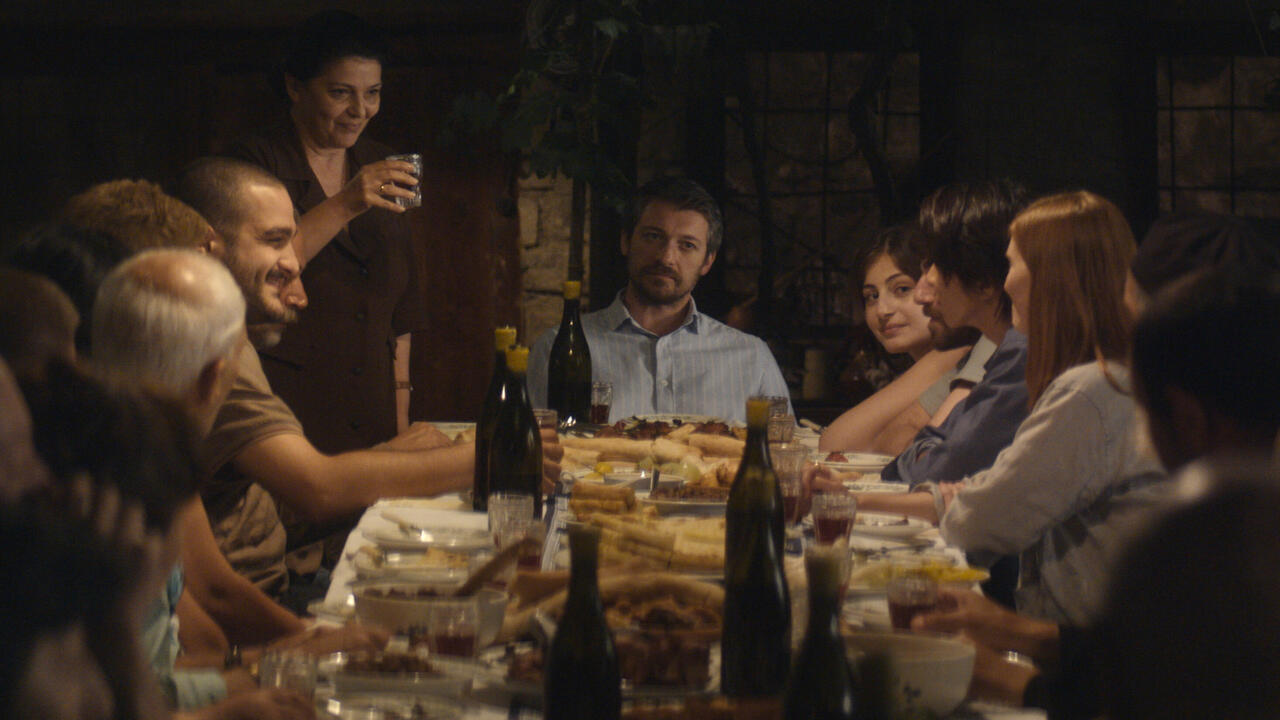
I came into “Trust Me” expecting another elegant puzzle built around wine, but what stood out most this week was how the show leans into character psychology rather than pure competition. It’s an episode that quietly rearranges relationships while maintaining the restrained tone that has defined the series since the beginning. The storytelling doesn’t shout; it layers details, waits for you to notice them, and then lets the implications sit uncomfortably for a while.
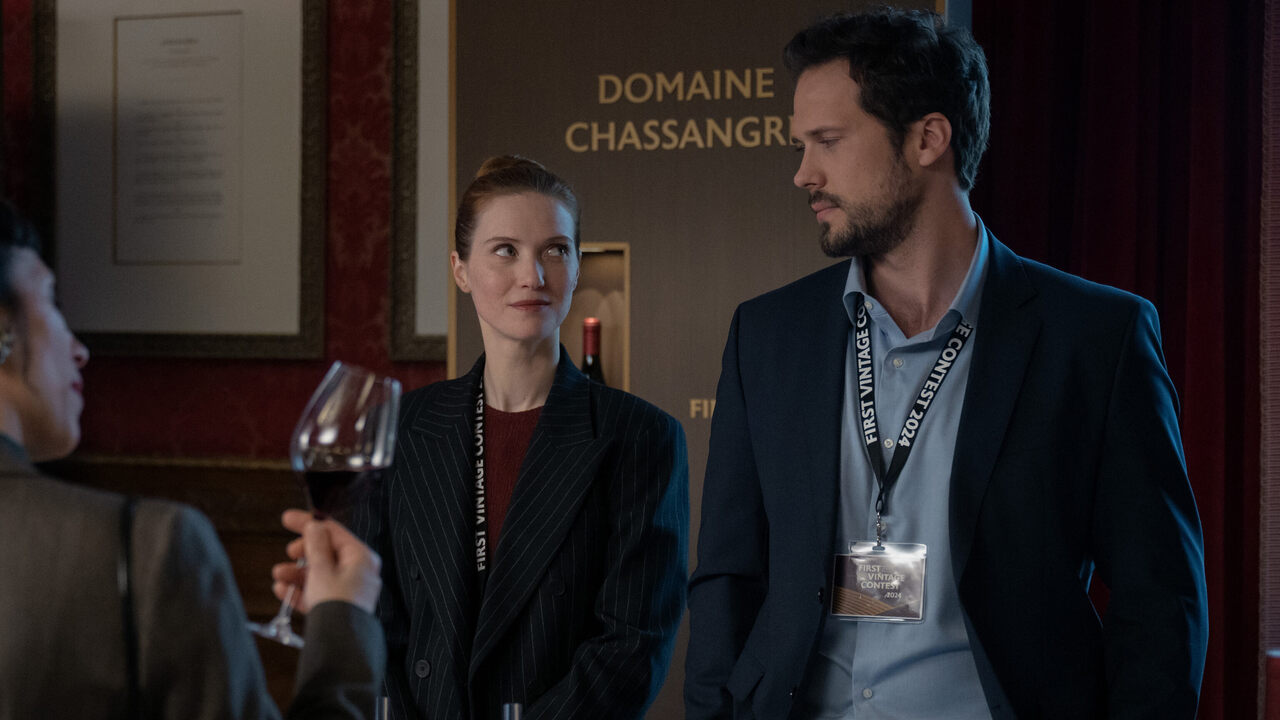
One of the strongest elements here is the way the narrative ties the wine challenge to personal memory. The second test, linked to an Italian Baroque painting, continues to give Camille a practical arena to prove she belongs in this world. Watching her and her team analyze aromas and historical clues feels grounded in real craft, not just plot mechanics. The writing keeps the wine discourse accessible without diluting its technical specificity, which is a delicate balance the series usually handles well. I appreciated how the clues about fruit notes and regional origins don’t feel like trivia; they are framed as emotional cues tied to Alexandre’s philosophy about tasting and perception.
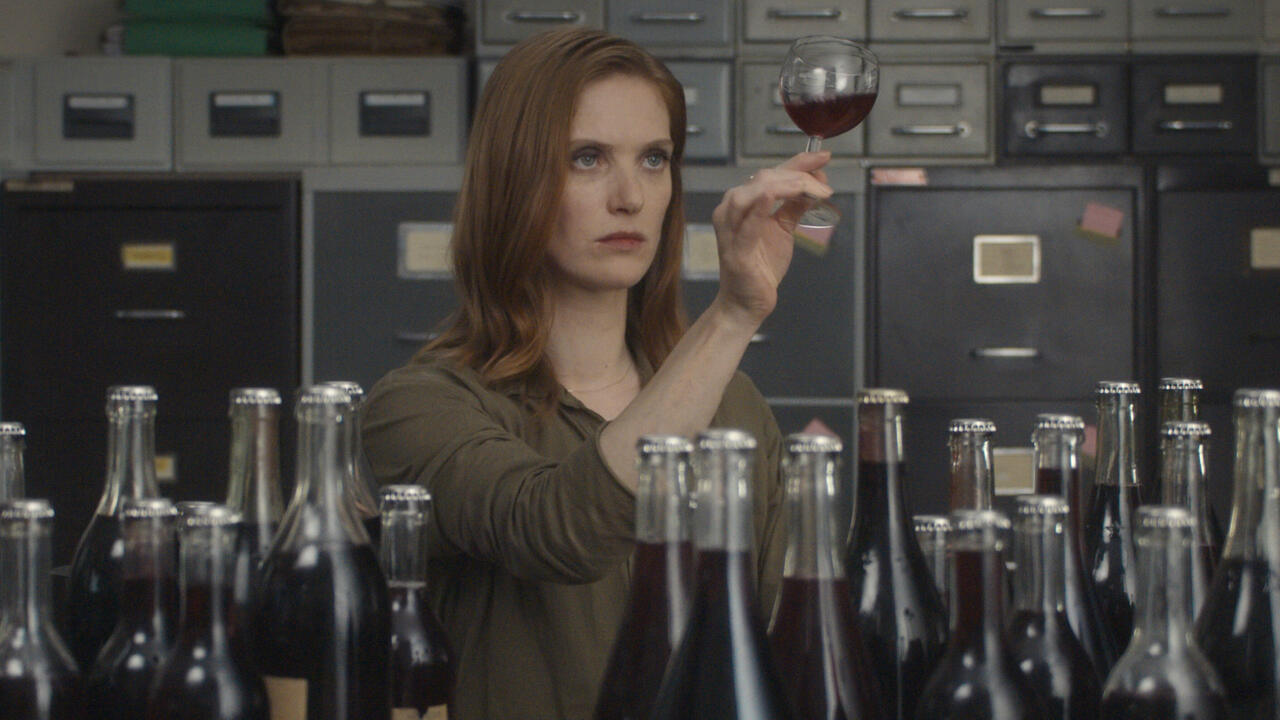
Fleur Geffrier’s performance carries much of the emotional weight. Camille is still caught between self-doubt and stubborn determination, and this episode allows her to push back against people who underestimate her. When she’s offered control over the Léger Guide and then dismissed as unprepared, her reaction feels earned. The confrontation has a messy, human energy that contrasts with the otherwise polished world of fine dining and high culture. The scene isn’t loud or theatrical, but it signals a shift: Camille is starting to claim agency rather than simply reacting to her father’s legacy.
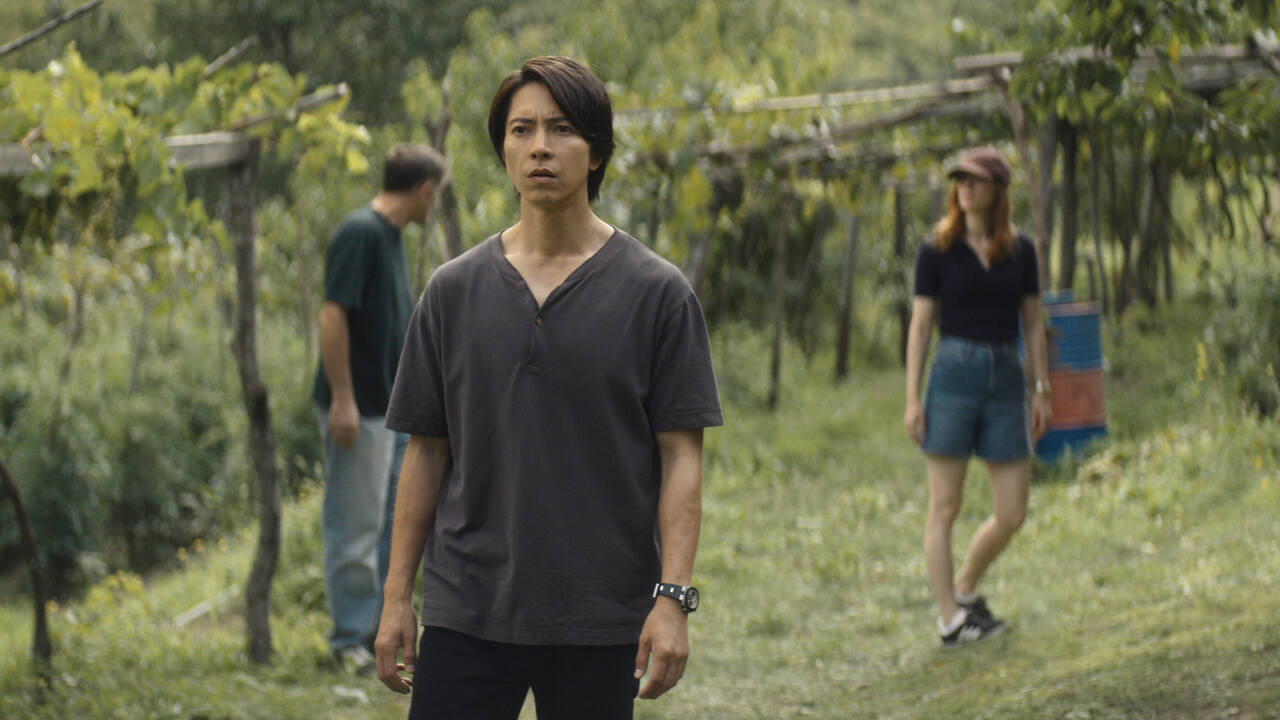
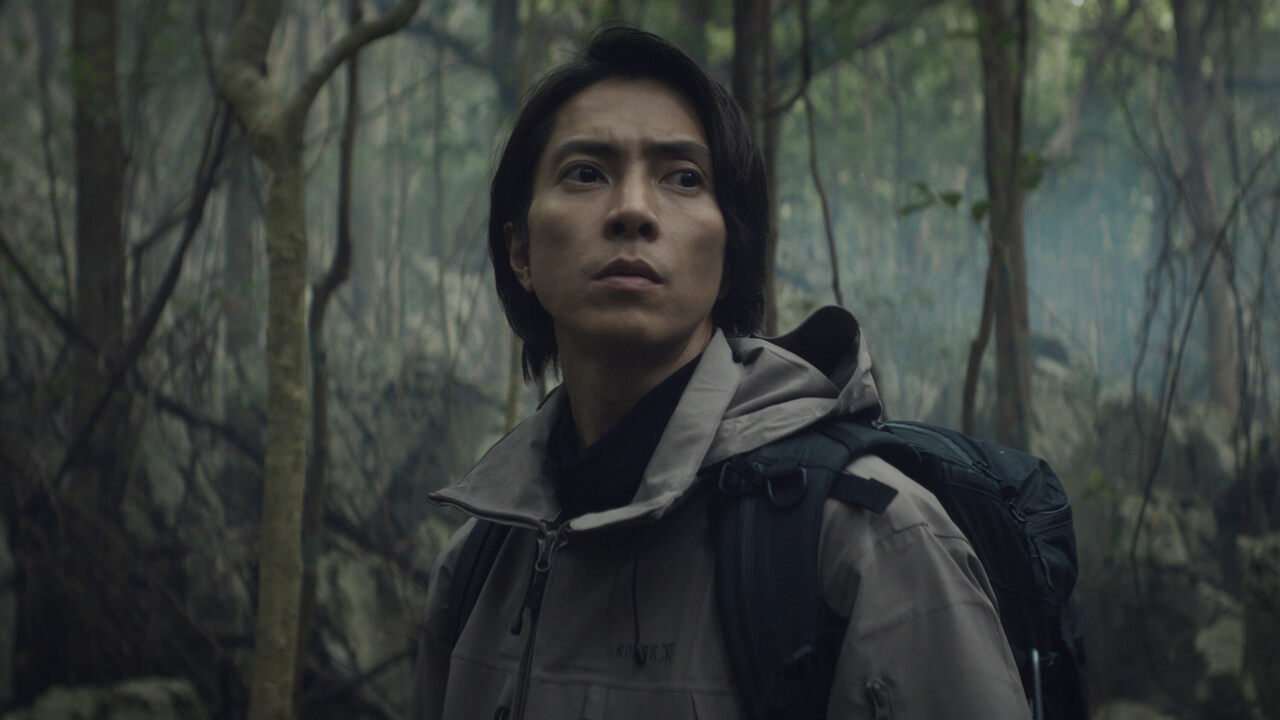
Tomohisa Yamashita gets equally strong material, particularly as Issei’s family drama escalates. The storyline around his missing father adds urgency without turning the show into a thriller. I liked the way the episode reveals fragments of the past through conversations and investigation rather than through heavy exposition. Discovering that Honoka and Alexandre once had a deep relationship, and that this history might redefine Issei’s identity, is handled with restraint. The writing trusts viewers to connect the dots, which keeps the emotional payoff subtle rather than melodramatic.
What impressed me most was how the episode reframes trust as both a personal and professional currency. Issei publicly thanking his father during a TV interview feels like a quiet rebellion against the cold expectations surrounding him. It’s not a dramatic speech; it’s a controlled, deliberate gesture that hints at vulnerability beneath his usual composure. That moment alone shows how carefully the series handles character arcs, preferring incremental growth over sudden transformations.
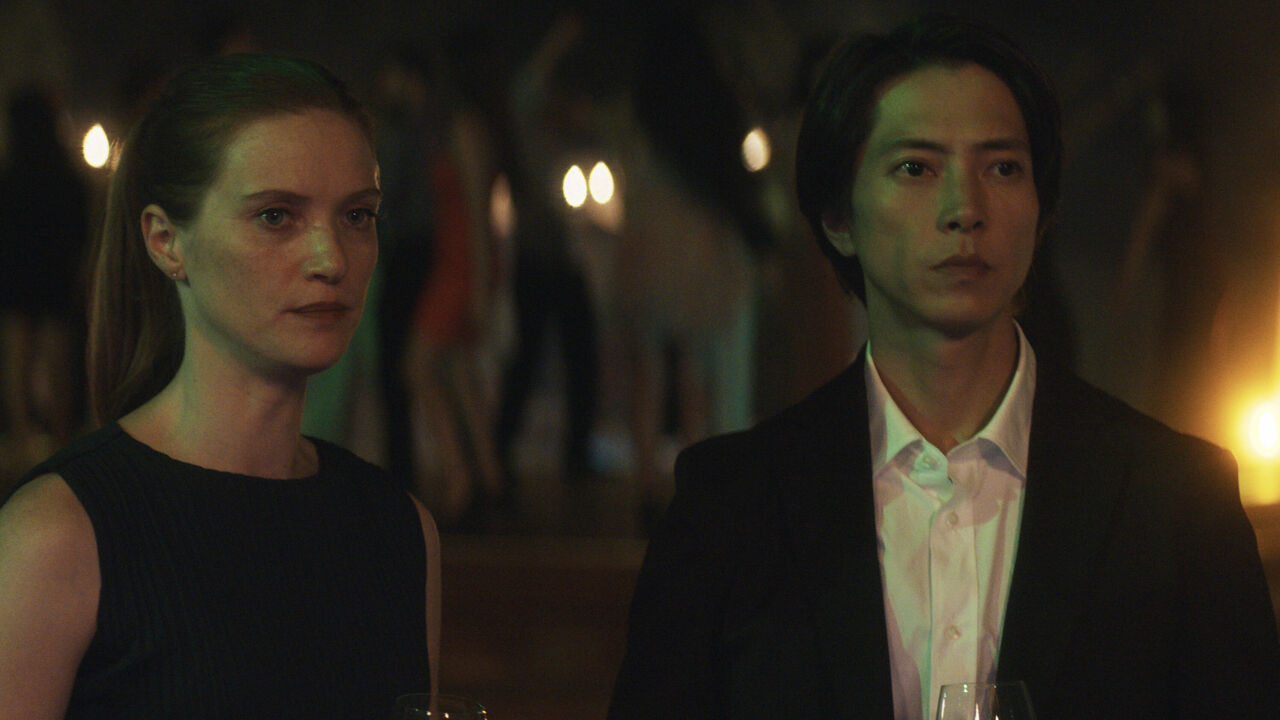
Visually, “Trust Me” remains consistent with the show’s refined aesthetic. The cellar sequences have a subdued palette that reflects Issei’s internal conflict, while Camille’s scenes carry warmer tones that emphasize collaboration and discovery. The cinematography doesn’t try to be flashy. Instead, it mirrors the rhythm of tasting wine: deliberate pacing, attention to texture, and an emphasis on small reactions. Oded Ruskin’s direction keeps the camera close enough to capture micro-expressions, which is crucial in a series where emotional shifts are often conveyed through silence rather than dialogue.
That said, the episode isn’t flawless. The pacing occasionally feels uneven, especially when the narrative shifts between Camille’s professional struggles and Issei’s family revelations. The transitions can feel abrupt, as though two different emotional climaxes are competing for space in the same hour. I found myself wanting a little more connective tissue between the storylines so the thematic parallels landed more smoothly.
There’s also a lingering issue with how exposition is delivered. While most revelations unfold organically, some dialogue about Alexandre’s past leans slightly too heavily on explanation. The interpreter’s account of the affair, for instance, is fascinating but almost too efficient, compressing years of history into a short exchange. It advances the plot, but it slightly reduces the sense of mystery that the series usually cultivates so well.
Another minor frustration lies in how secondary characters are used. Thomas’s skepticism toward Camille creates tension, but the conflict resolves so quickly that it risks feeling like a narrative device rather than a fully explored disagreement. I wanted a bit more nuance in their dynamic, especially given how central the Léger Guide is to both of their ambitions.
Still, the episode succeeds because it understands what makes this series distinctive. It’s not just about identifying rare bottles or solving riddles; it’s about inheritance, identity, and the emotional weight of expertise. The writing continues to treat wine as a language, a way of articulating feelings that characters struggle to express directly. Even when the plot slows down, the atmosphere remains absorbing because every tasting note and every glance carries subtext.
By the time the credits roll, “Trust Me” feels less like a standalone chapter and more like a turning point. The possibility that Issei’s connection to Alexandre runs deeper than anyone expected reshapes the emotional stakes of the competition, while Camille’s growing confidence suggests that the rivalry is evolving into something more complex than a simple duel. The episode doesn’t rush toward resolution; it lingers in uncertainty, letting viewers sit with questions about loyalty and legacy.
Overall, I found myself drawn into the quieter intensity of this installment. It may not have the immediate momentum of earlier episodes that leaned more heavily on travel and discovery, but it compensates with character depth and thematic clarity. The show continues to excel at portraying ambition without cynicism and vulnerability without sentimentality. Even when the narrative stumbles slightly under the weight of multiple revelations, the performances and direction keep it grounded.
“Trust Me” doesn’t aim for grand spectacle, and that restraint is ultimately its strength. It’s an episode that rewards patience, asking the audience to listen closely to what is said and what is left unsaid. By the end, I felt like the story had quietly shifted its center of gravity, setting up future conflicts that feel more personal and more emotionally charged than anything we’ve seen so far.
Final Score- [7/10]
Hi Everyone, after a due consideration, we have decided that we will be open for donations to help us in managing our website. We will be greatful for any kind of amount we receive. Thanks!
— Midgard Times 🎬 (@Moviesr_net) January 4, 2026
PayPal- [email protected] pic.twitter.com/DlNNz5Npm5
Get all latest content delivered to your email a few times a month.
Bringing Pop Culture News from Every Realm, Get All the Latest Movie, TV News, Reviews & Trailers
Got Any questions? Drop an email to [email protected]


 © Copyrights MOVIESR.NET All rights reserved