

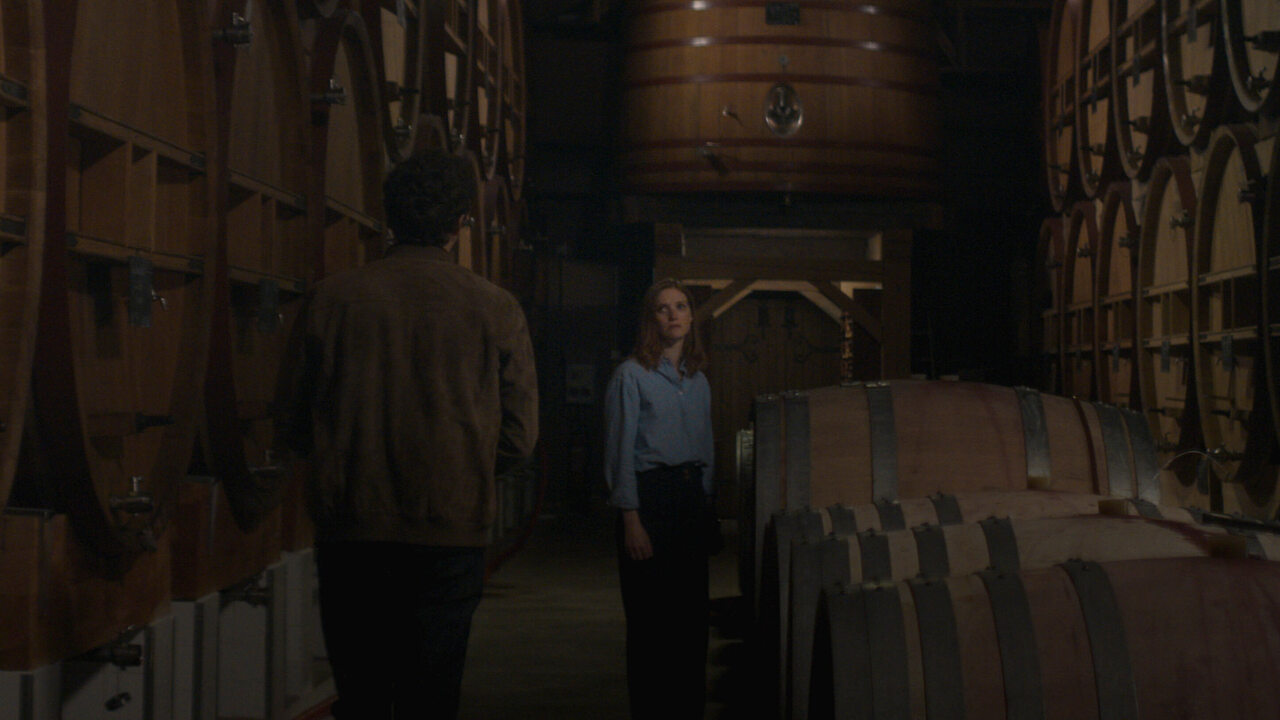
I finished this episode with the same feeling I’ve had throughout most of Drops of God: a sense that the series understands how to turn a very niche subject into emotionally engaging drama. Wine tasting competitions and inheritance puzzles shouldn’t automatically make for gripping television, yet this show consistently proves that character and perspective matter more than the premise. Episode 8, “Break Free,” leans heavily into that idea. Rather than relying on twists or spectacle, the episode focuses on emotional resolution and personal decisions. It’s a restrained finale, but one that feels earned.
The episode opens in the aftermath of the long and exhausting series of wine challenges that Camille Léger and Issei Tomine have endured. When the results finally arrive, the competition ends in a tie. It’s an outcome that almost feels fitting given how closely matched the two characters have become throughout the season. From a storytelling standpoint, the tie works well because it shifts the focus away from pure competition and toward something more personal. The rivalry that once defined their relationship has already softened, and the draw reinforces that change. At this point, the contest almost feels like a relic of their father’s manipulation.
Of course, Alexandre Léger isn’t finished orchestrating events from beyond the grave. Through a prerecorded message, he reveals that he anticipated the tie and has arranged a sudden-death round to determine a single heir. The final challenge is deceptively simple: identify what he meant by “the Drops of God.” It’s a classic Drops of God move, turning a seemingly abstract question into something deeply tied to memory and perception.
What I appreciated most about this stretch of the episode is how it slows down the pacing and allows Camille and Issei to exist as siblings rather than adversaries. The two share drinks in Alexandre’s vast cellar and talk more openly than they ever have. These quieter scenes are where the show’s writing shines. Instead of dramatic confrontations, the characters simply talk, process the revelations about their shared father, and try to figure out what their relationship means now.
Tomohisa Yamashita continues to bring a subtle intensity to Issei. His performance here is restrained but effective. When Issei reveals more about his past and the complicated relationship with Hirokazu—the man who raised him—the emotional weight lands without the need for dramatic speeches. Yamashita conveys the conflict through body language and tone, showing a character who is finally starting to define himself outside of his father’s expectations.
Fleur Geffrier’s Camille remains the emotional center of the show, and this episode gives her plenty to work with. Camille is angry at Alexandre’s manipulations, yet she’s also still searching for meaning in the puzzles he left behind. Geffrier captures that contradiction well. Camille isn’t just competing anymore; she’s trying to understand a father who controlled her life even after death.
One of the episode’s most satisfying moments comes when Issei finally reconnects with Hirokazu. The reunion doesn’t rely on melodrama. Instead, it emphasizes the quiet reality that the person who raises you can matter more than biological ties. It’s a simple scene, but it carries significant emotional weight. In a show that often focuses on sensory perception and intellectual puzzles, moments like this remind us that the real story has always been about identity and belonging.
Eventually, the final question must be answered. Issei approaches it like a sommelier, analyzing the problem as if it were another wine challenge. His guess points toward a specific, prestigious wine. It’s logical and technically impressive, which fits his character perfectly. But it’s wrong. Camille, on the other hand, interprets the riddle through memory rather than expertise. She remembers a moment from her childhood with Alexandre, when he explained that rain—the water that nourishes vineyards and allows grapes to grow—is the true “Drops of God.” It’s a poetic answer without being overly sentimental. The logic makes sense within the world of wine, and it ties directly to Camille’s personal connection with her father.
When Camille wins, the moment isn’t triumphant in the traditional sense. Instead, it feels complicated. She realizes that Alexandre’s final test was unfair because it relied on a memory only she possessed. The victory comes with an uncomfortable understanding: the competition was always tilted in her favor. The show handles this revelation thoughtfully. Rather than celebrating the win, Camille acknowledges the imbalance and immediately considers how to make things right. Her offer to challenge the inheritance legally and share it with Issei shows how far both characters have come. Earlier in the story, such generosity would have been unthinkable. Issei’s response is equally important. He declines, affirming that Hirokazu—not Alexandre—is the father he chooses to recognize. It’s a quiet but powerful act of independence.
The episode wraps up the broader storyline in a way that feels measured rather than flashy. Camille sells part of the wine cellar and reorganizes the future of the Léger legacy. Lorenzo and Miyabi are given responsibility over the Léger Guide, signaling a shift away from Alexandre’s controlling vision. The final touch—a gift labeled “Brother & Sister” sent to Issei—lands with understated warmth.
From a filmmaking perspective, the episode maintains the elegant style that has defined the series. The cinematography continues to treat wine and landscapes with almost documentary-like care. Bottles, cellars, and vineyards are filmed with a deliberate calm that mirrors the show’s reflective tone. Director Oded Ruskin keeps the visual language consistent: slow camera movements, natural lighting, and compositions that emphasize space and quiet.
That said, the episode isn’t entirely flawless. The pacing occasionally drifts, particularly in the middle section. Some scenes linger longer than necessary, and the episode could have benefited from slightly tighter editing. The sudden-death riddle itself also resolves a bit too quickly after so much buildup. While the answer is thematically satisfying, the reveal lacks the suspense that the previous challenges delivered. Another small issue is that certain supporting characters fade into the background during the finale. For a series that carefully developed its ensemble, a few of them deserved a slightly stronger presence in the closing moments. Still, these are relatively minor concerns in an episode that succeeds where it matters most. “Break Free” focuses on resolution rather than spectacle, and that choice works. The story ends not with a grand declaration but with two people choosing how to move forward.
What makes Drops of God stand out, even in its finale, is its commitment to character-driven storytelling. Wine may be the surface topic, but the series has always been about inheritance in a broader sense—what we inherit emotionally, culturally, and psychologically from those who came before us.
By the end of the episode, Camille and Issei finally step outside Alexandre’s shadow. The competition that defined their lives no longer controls them. In that sense, the title feels appropriate. The characters don’t just solve the mystery of the Drops of God—they free themselves from the expectations attached to it. It’s a thoughtful, slightly imperfect, but ultimately satisfying conclusion to a story that has always valued reflection over spectacle. And honestly, I wouldn’t want Drops of God to end any other way.
Final Score- [8/10]
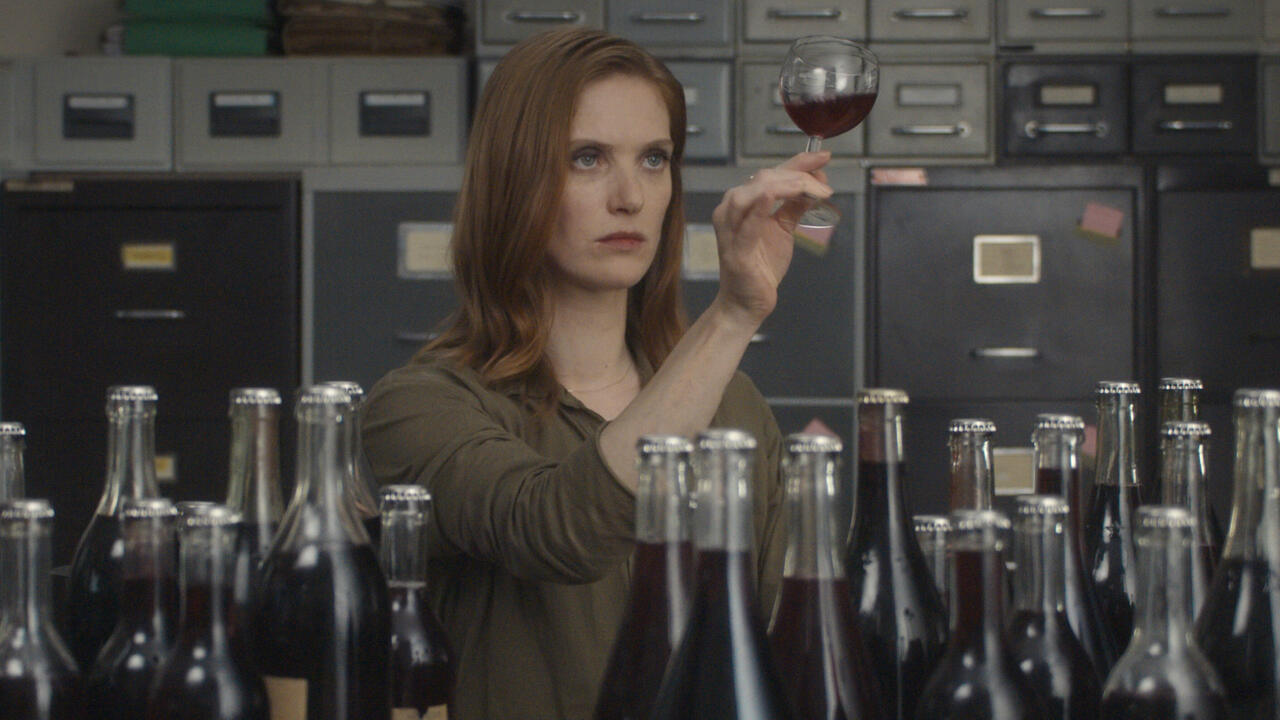
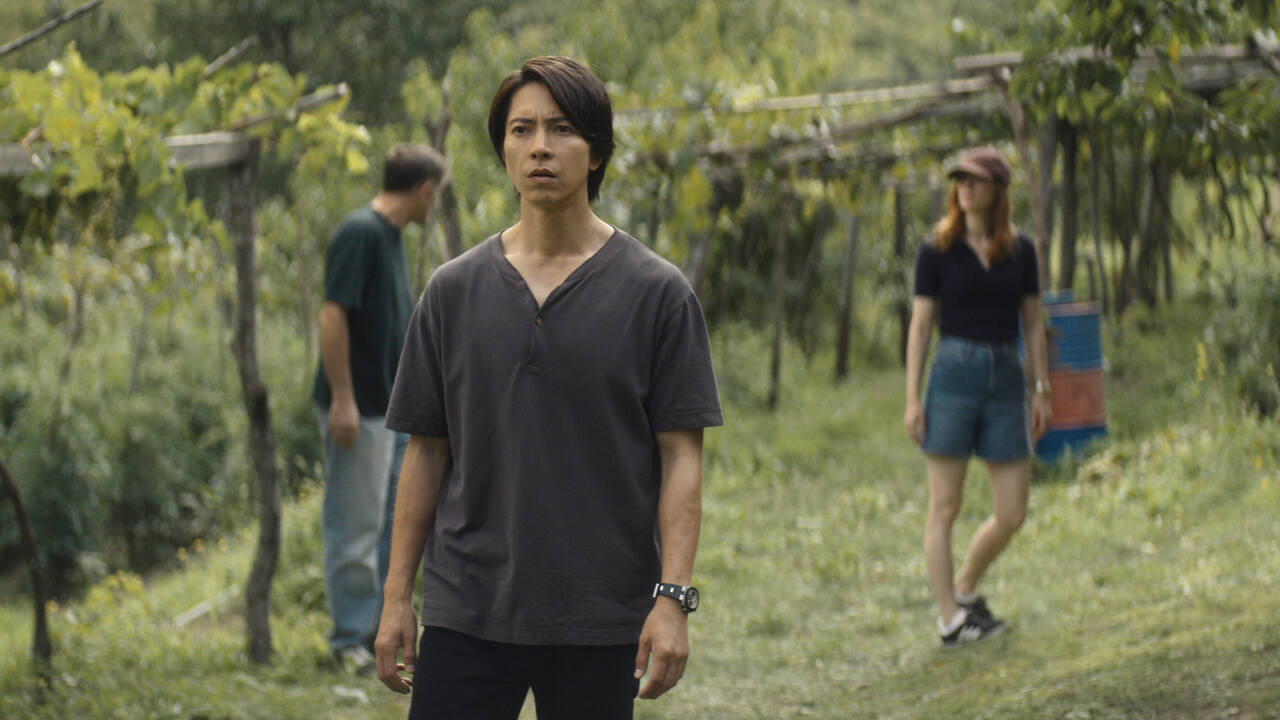
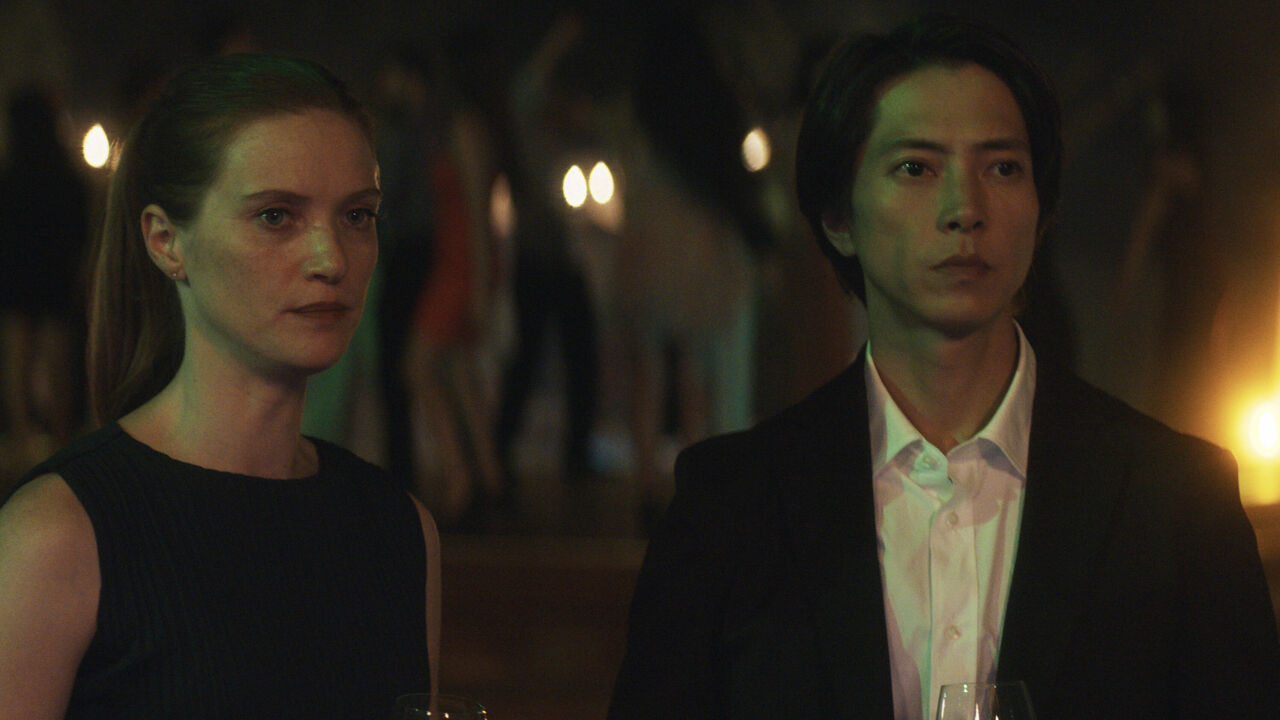
Hi Everyone, after a due consideration, we have decided that we will be open for donations to help us in managing our website. We will be greatful for any kind of amount we receive. Thanks!
— Midgard Times 🎬 (@Moviesr_net) January 4, 2026
PayPal- [email protected] pic.twitter.com/DlNNz5Npm5
Get all latest content delivered to your email a few times a month.
Bringing Pop Culture News from Every Realm, Get All the Latest Movie, TV News, Reviews & Trailers
Got Any questions? Drop an email to [email protected]


 © Copyrights MOVIESR.NET All rights reserved