

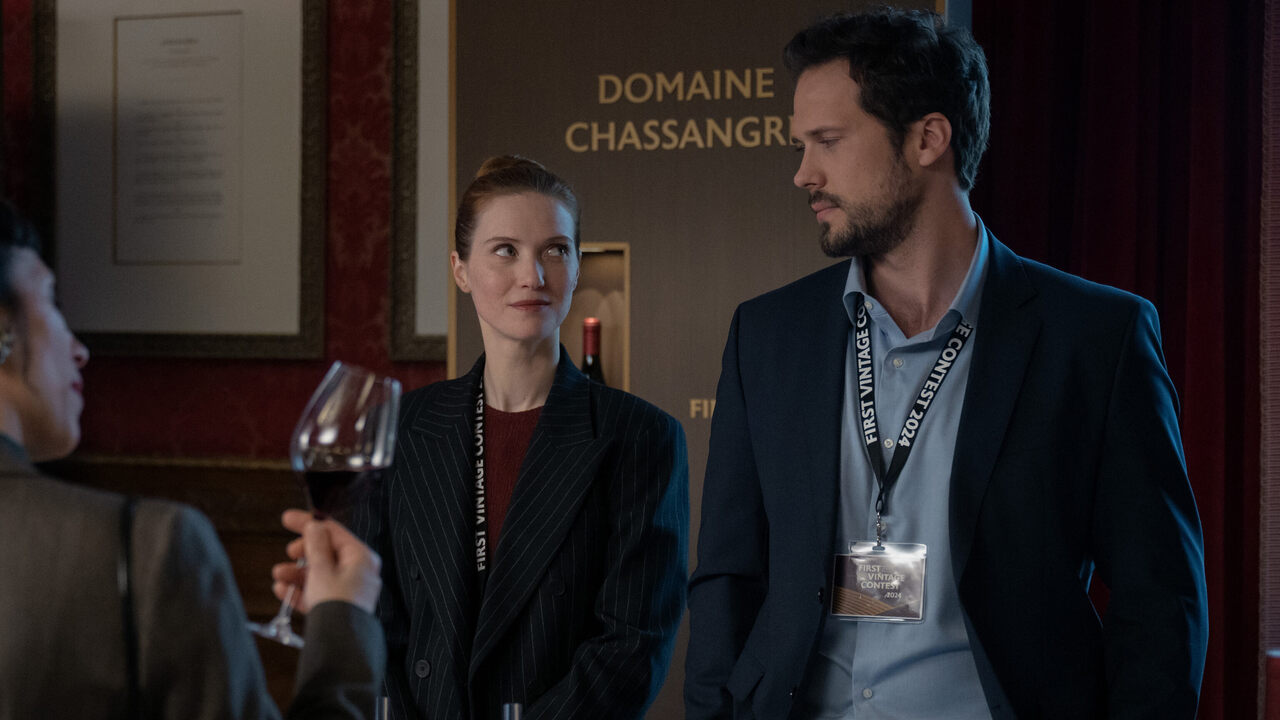
I went into “The Contest” expecting a straightforward competitive episode, but what stood out most was how carefully it balances internal drama with the ritual of wine itself. The show has always treated tasting like a form of emotional archaeology, and this chapter leans heavily into that idea without becoming overly theatrical. It feels quieter than earlier episodes this season, but not in a way that suggests a slowdown; instead, it’s a recalibration. The narrative narrows its focus, placing Camille and Issei under scrutiny as they navigate another trial left behind by Alexandre. The tension isn’t explosive, yet it hums steadily in the background, and that restraint is one of the episode’s strongest qualities.
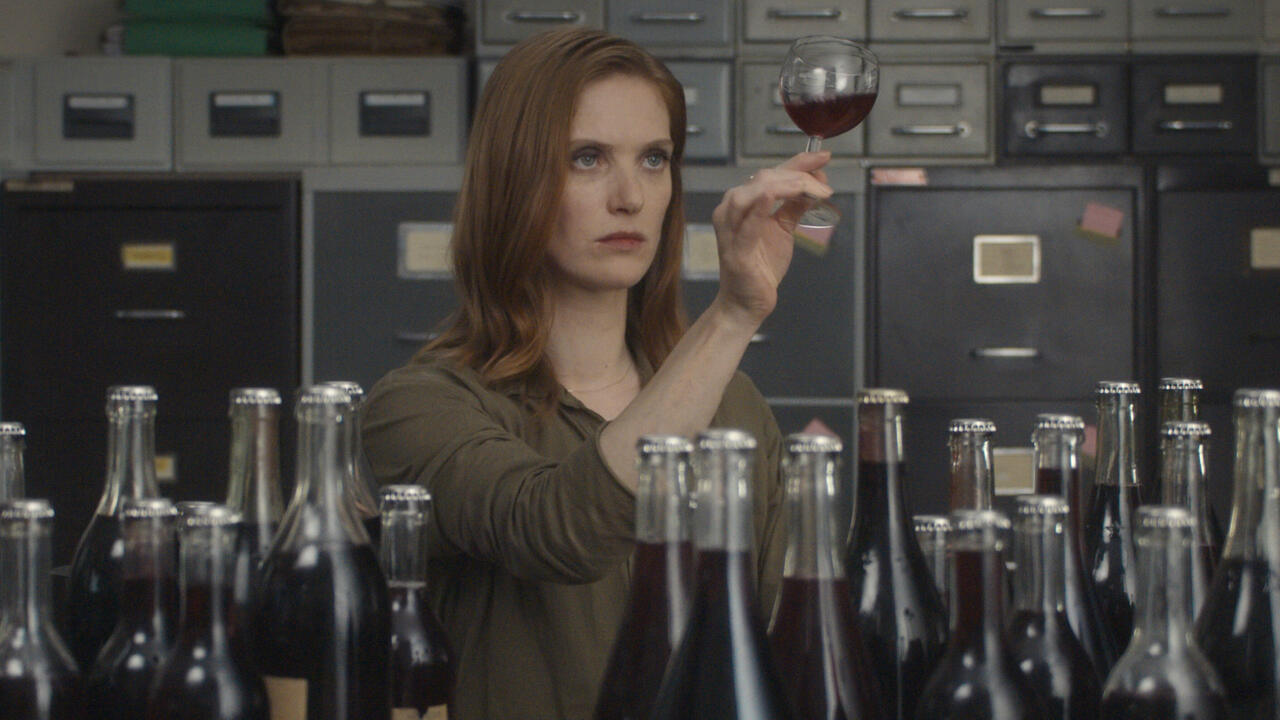
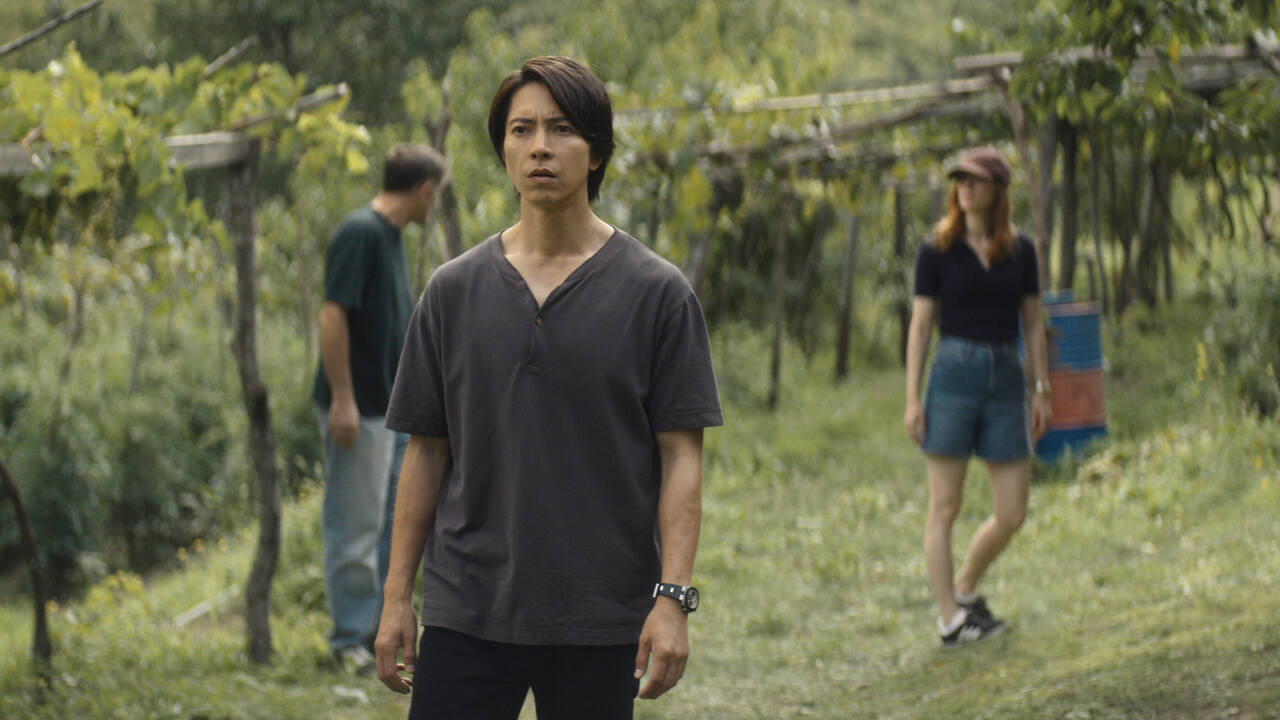
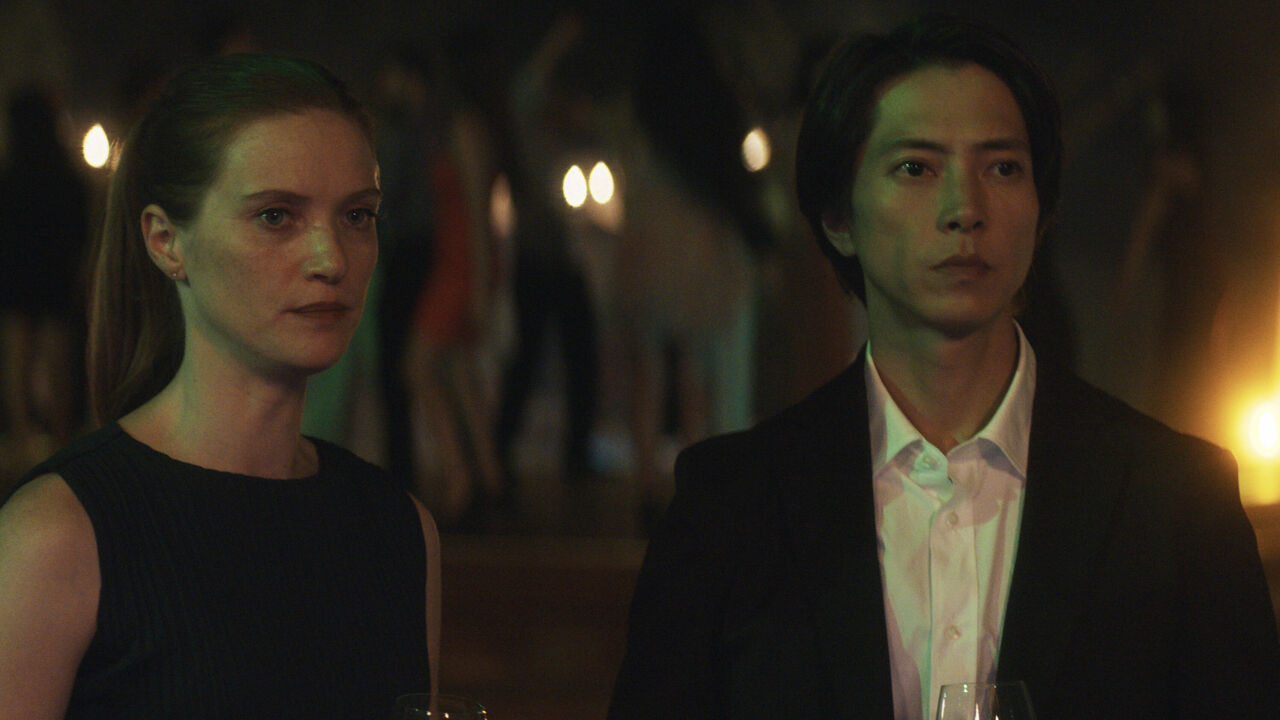
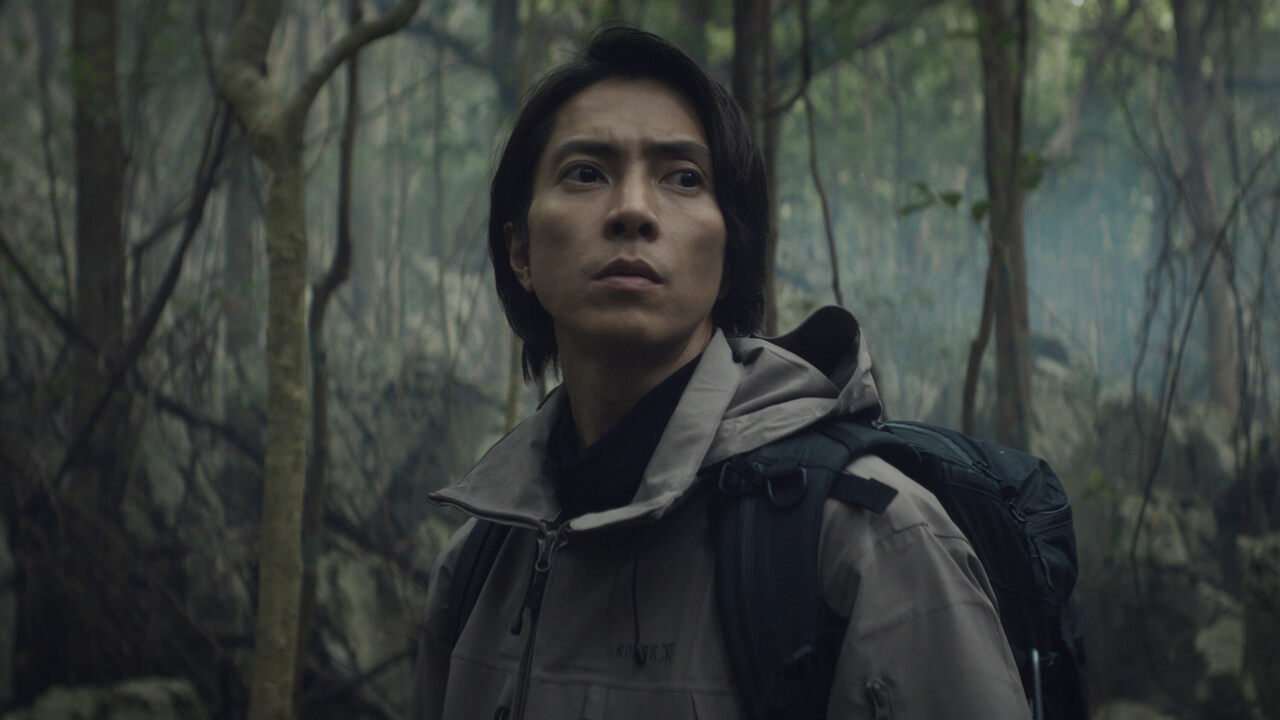
What impressed me immediately was the performance work. Fleur Geffrier continues to ground Camille in a believable sense of uncertainty, even as she steps into a more confident role within the contest structure. Her body language carries the weight of someone who has learned to trust her palate but still struggles with the legacy attached to it. Tomohisa Yamashita’s Issei remains the emotional counterpoint, and this episode gives him subtle but revealing beats. He isn’t framed as an antagonist or rival anymore; instead, the competition feels like a mirror reflecting their shared vulnerabilities. Watching their interactions evolve during the tasting sequences adds a layer of intimacy that the show has been building toward since the beginning of the season.
The pacing is interesting. The first half unfolds with careful deliberation, giving space to the sensory details that define the series. There’s a deliberate rhythm to how glasses are poured, how aromas are described, and how memories surface through taste. The direction avoids flashy editing, favoring long, patient shots that allow viewers to settle into the moment. I appreciated that choice because it reinforces the idea that wine, in this world, is not just a prop; it’s a storytelling language. At the same time, I occasionally felt the tempo drift too close to stillness. A few scenes linger longer than necessary, and while they’re visually elegant, they risk dampening the urgency that a contest episode should naturally have.
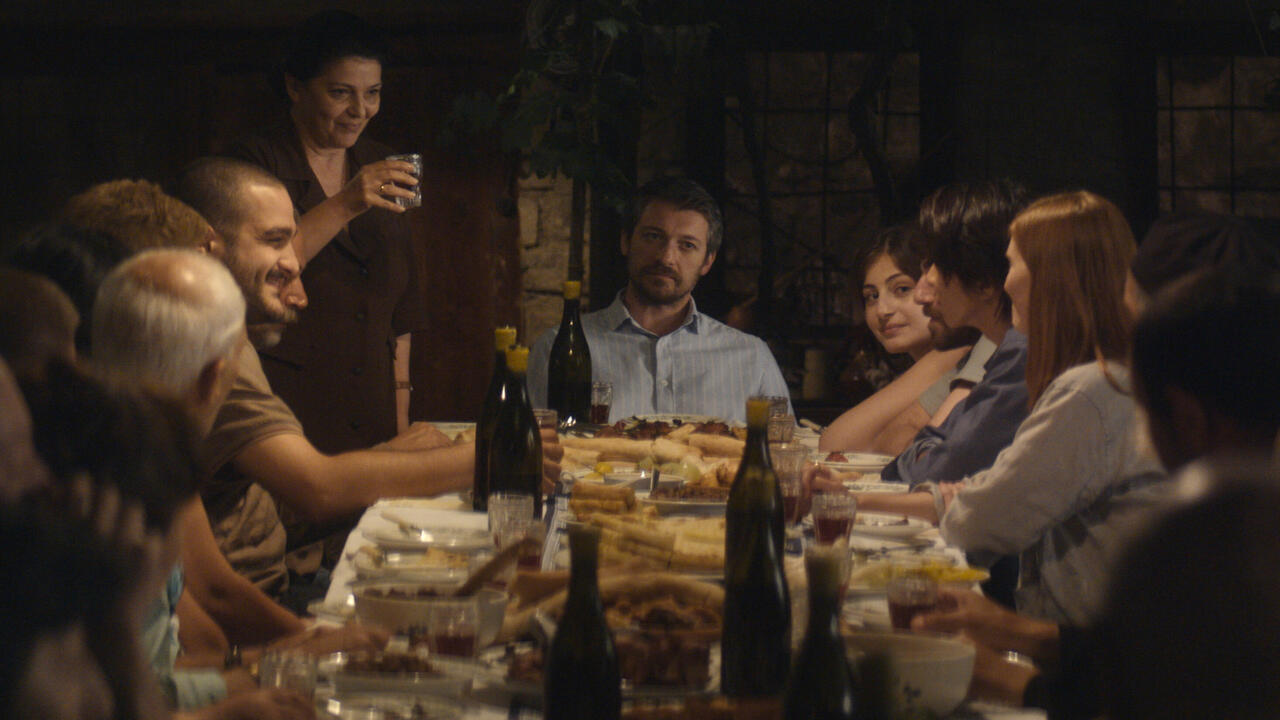
Cinematography continues to be a standout element. The episode uses natural light and carefully framed close-ups to emphasize texture—glass, wood, and the subtle shifts in expression when a character tastes something unexpected. The visual storytelling often communicates more than the dialogue does. There’s a quiet confidence in how the camera observes rather than instructs, and that restraint keeps the show from feeling overly dramatic. However, the aesthetic precision sometimes borders on self-consciousness. A handful of shots feel designed to impress rather than serve the narrative, and I found myself momentarily pulled out of the story by how polished everything looked.
Writing-wise, “The Contest” stays consistent with the series’ ongoing themes: identity, inheritance, and the complicated bond between Camille and Issei. The dialogue is mostly natural, avoiding the heavy exposition that occasionally weighed down earlier episodes. I liked how the script allows silence to carry meaning, especially during moments when the characters process a wine’s significance. Still, there are instances where the dialogue leans toward abstraction. The show has always flirted with poetic phrasing, but here it occasionally feels like the characters are speaking in coded reflections rather than genuine conversation. It’s not enough to derail the episode, but it does create a slight emotional distance.
One of the most compelling aspects of this installment is how it frames competition as collaboration. Even within the structure of a test, Camille and Issei’s dynamic suggests mutual growth rather than pure rivalry. The episode explores how each of them interprets wine differently—one guided by intuition, the other by discipline—and that contrast enriches the viewing experience. I found myself drawn to the small reactions between them: a glance, a pause before answering, a shift in tone when they realize they’re reaching the same conclusion from different angles. These details add emotional stakes beyond simply winning or losing.
That said, the episode occasionally feels caught between plot progression and introspection. Certain developments seem more like setups for later episodes than fully realized arcs within this one. The result is an installment that feels thematically rich but slightly incomplete on its own. I wouldn’t call it filler, but it doesn’t deliver the same narrative punch as some earlier entries this season. For viewers expecting a dramatic turning point, the restraint might feel underwhelming.
Another minor issue lies in how secondary characters are utilized. While the focus on Camille and Issei is welcome, the broader ensemble fades into the background more than usual. A few supporting roles appear briefly without leaving a strong impression, which makes the world feel narrower than the show’s international scope typically allows. I missed the sense of cultural texture that comes from seeing different perspectives within the wine community.
Despite these criticisms, the episode succeeds because it understands what makes “Drops of God” unique. It isn’t just about identifying a vintage or winning a challenge; it’s about how taste becomes a language for unresolved emotions. “The Contest” reinforces that idea by keeping the stakes deeply personal. Even when the plot slows down, the emotional undercurrent remains engaging, and I found myself invested in the characters’ internal shifts more than the outcome of the test itself.
By the time the episode wraps up, it leaves a quiet aftertaste rather than a dramatic cliffhanger. Some viewers might want a bigger payoff, but I appreciated the measured approach. It feels like a chapter designed to refine the characters before the story escalates again. As someone who values character-driven storytelling, I found that choice refreshing, even if it sacrifices a bit of momentum.
Overall, “The Contest” works best when it trusts its performers and the sensory world it has built over two seasons. It may not be the most explosive entry, and at times its pacing and dialogue drift into indulgence. Still, the episode remains absorbing thanks to thoughtful direction, layered performances, and a clear understanding of the emotional terrain the series is exploring. It left me feeling contemplative rather than exhilarated, which, for this particular show, feels entirely appropriate.
Final Score- [6.5/10]
Hi Everyone, after a due consideration, we have decided that we will be open for donations to help us in managing our website. We will be greatful for any kind of amount we receive. Thanks!
— Midgard Times 🎬 (@Moviesr_net) January 4, 2026
PayPal- [email protected] pic.twitter.com/DlNNz5Npm5
Get all latest content delivered to your email a few times a month.
Bringing Pop Culture News from Every Realm, Get All the Latest Movie, TV News, Reviews & Trailers
Got Any questions? Drop an email to [email protected]

 © Copyrights MOVIESR.NET All rights reserved