

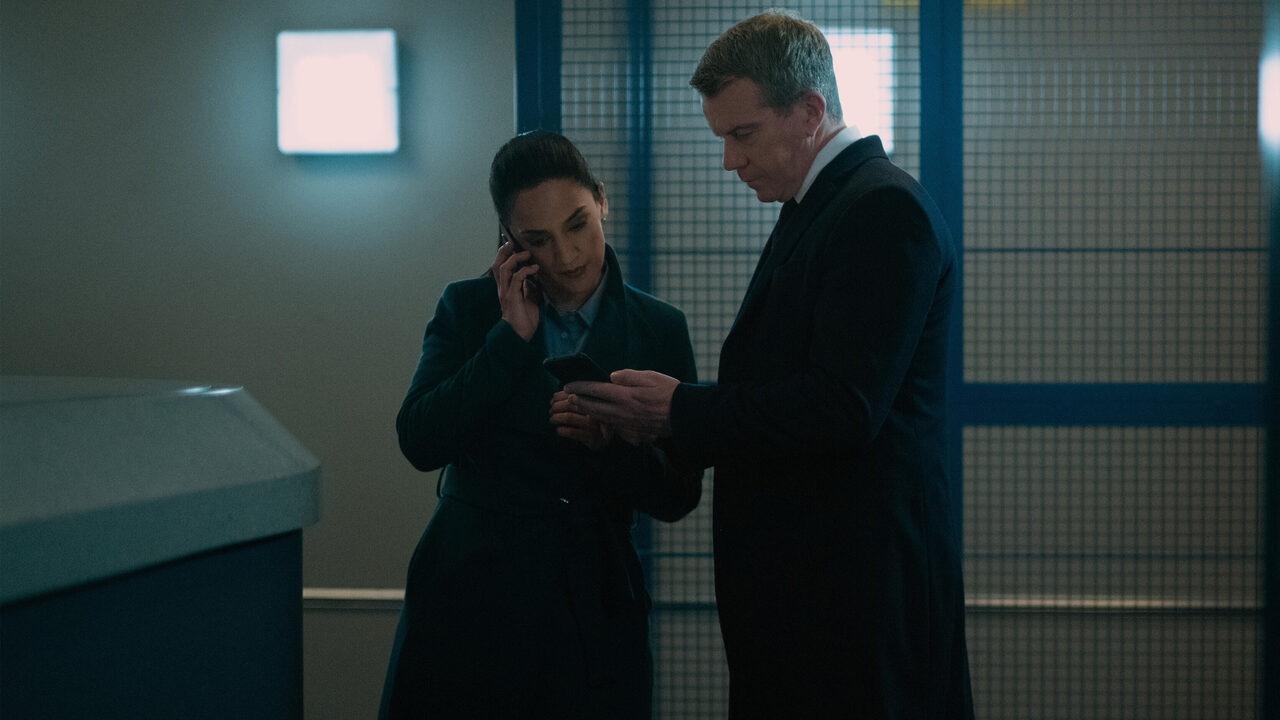
I went into this episode expecting escalation, but “Contact” surprised me by leaning harder into the psychology of negotiation than pure spectacle, and that choice ends up defining the experience. The hour feels like a pressure chamber where every conversation carries weight. Sam is no longer simply reacting to events; he is shaping them, using information as leverage while trying to outmaneuver both the authorities and the people holding power on the ground. The writing understands that the most compelling action in this series has always been verbal rather than physical, and here the dialogue drives the rhythm with a steady pulse that rarely drops.
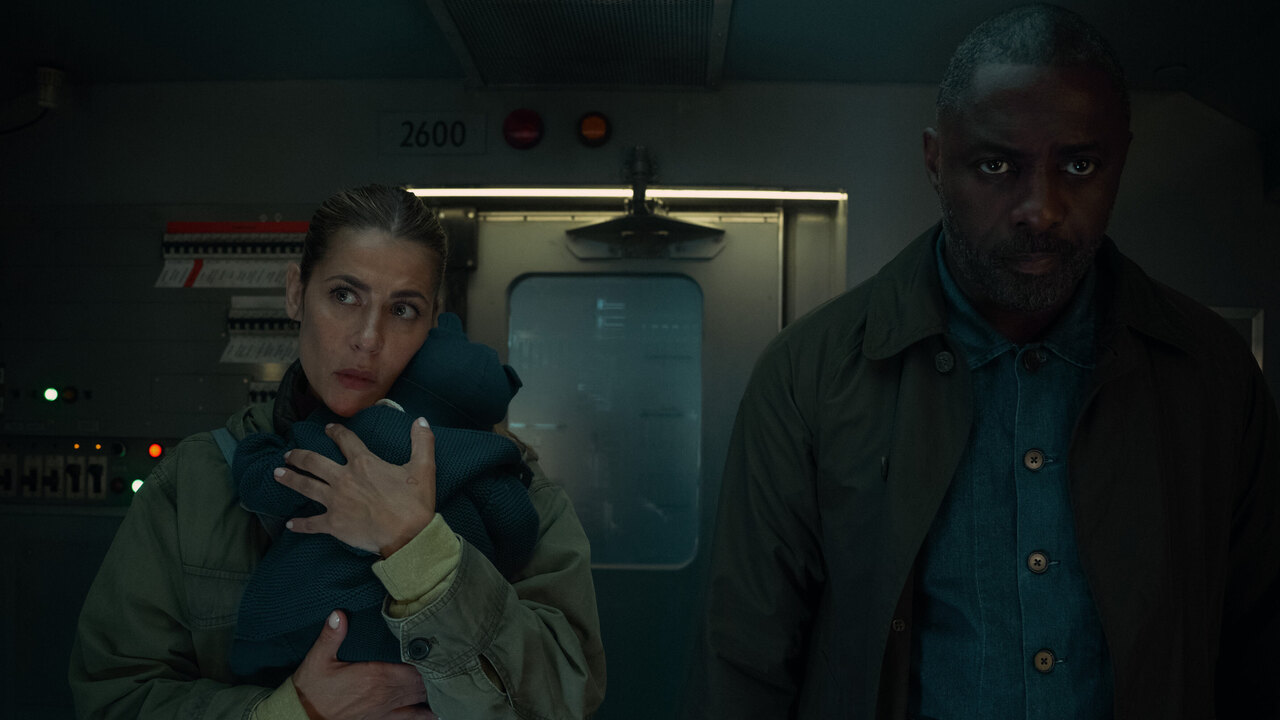
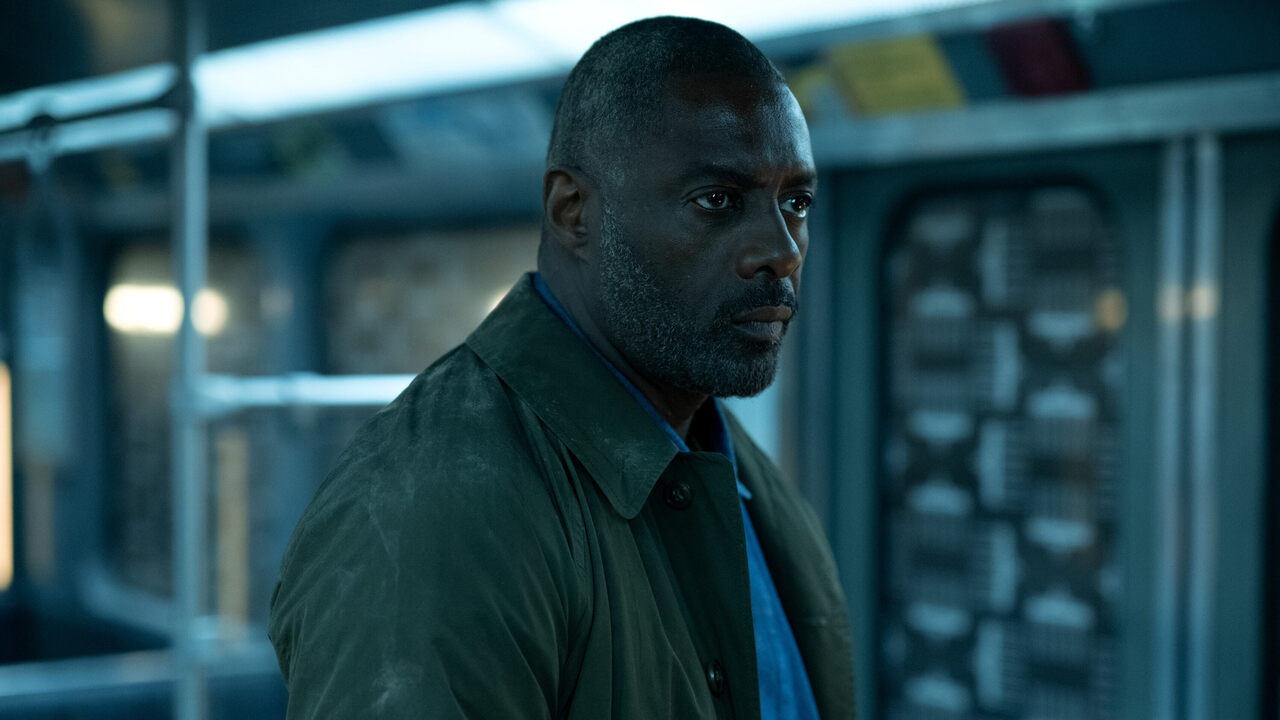
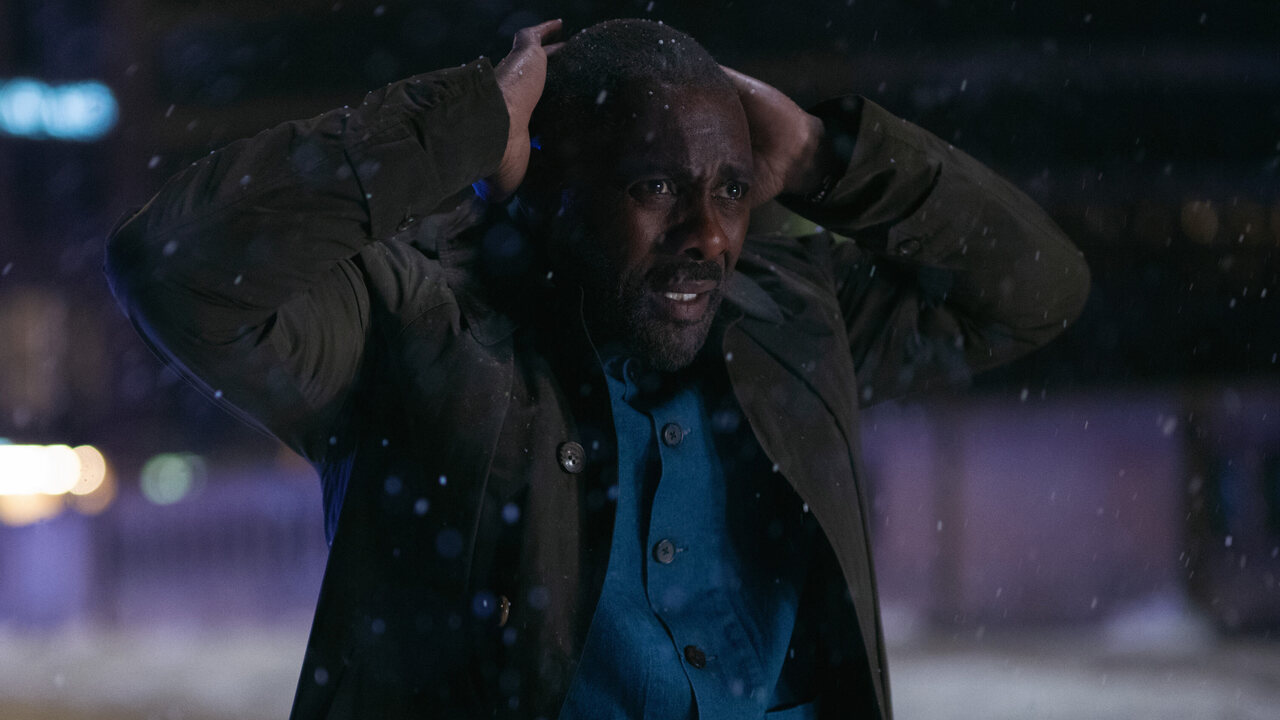
Idris Elba continues to anchor the show with a performance that feels controlled but emotionally accessible. What I appreciated most in this episode is how he plays with hesitation. Sam doesn’t come across as a flawless strategist; instead, he appears exhausted, calculating, and sometimes unsure whether the next move will save anyone. That vulnerability adds dimension to scenes that might otherwise feel procedural. When he pushes for contact and tries to reshape the narrative around him, Elba subtly shifts his body language, giving the impression that Sam is constantly negotiating two conversations at once: one spoken aloud and one happening in his head.
The structure of the episode relies heavily on cross-cutting between Sam’s immediate crisis and the decision-making on the ground. Olivia’s attempts to influence Winter’s response create a compelling counterpoint to Sam’s more intimate negotiations. The pacing here is tight; scenes rarely linger longer than necessary, which helps maintain the show’s signature real-time urgency. The direction favors restrained camera movement and close framing, emphasizing faces and micro-expressions rather than sweeping action. It’s a smart stylistic choice because the stakes feel personal even when the scale of the situation grows larger.
One of the strongest aspects of “Contact” is how it reframes power. Earlier in the season, authority figures often seemed confident in their plans, but here they appear reactive and fractured. The political tension feels believable because the characters disagree on strategy without turning into caricatures. There’s a sense that everyone is improvising, which mirrors Sam’s own improvisation and reinforces the episode’s central idea: control is an illusion maintained through communication. The script does a good job of layering information gradually, revealing new intel at just the right moments to shift the audience’s understanding of who actually holds leverage.
Technically, the episode looks sharp. The cinematography leans into muted tones and practical lighting, giving the environments a grounded texture. I noticed how the editing uses silence effectively; pauses between lines often carry as much weight as the dialogue itself. The score stays restrained, rarely announcing emotional beats, which keeps the tension feeling organic rather than manufactured. These production choices align well with the series’ identity as a thriller built on realism rather than spectacle.
That said, the episode isn’t flawless. The narrative occasionally stretches credibility, especially in how quickly certain characters accept new information. There are moments when the plot seems to jump ahead just to reach the next turning point, and viewers who prefer tighter logical progression may find those transitions abrupt. Some supporting characters still feel underdeveloped, existing mainly to move the plot forward rather than to express fully realized motivations. While Sam’s perspective remains compelling, the wider ensemble sometimes lacks the depth needed to make every storyline equally engaging.
Another issue lies in the pacing of the final act. The tension builds effectively through most of the runtime, but the resolution of a few key beats feels slightly rushed, as if the episode is more concerned with setting up the next installment than fully exploring the consequences of what just happened. I found myself wanting an extra minute or two in certain scenes, especially those involving emotional fallout, because the show hints at deeper reactions but moves on before they can fully land. It’s not enough to derail the experience, yet it does create a sense that the narrative is always sprinting toward the next crisis rather than letting moments breathe.
Even with those shortcomings, the episode succeeds because it understands the emotional core of the series. The tension isn’t just about whether Sam will succeed; it’s about how far he’s willing to go to maintain empathy in situations that reward aggression. The dialogue often circles themes of trust, manipulation, and moral compromise, and the script avoids turning those ideas into heavy speeches. Instead, they emerge through choices and reactions, which makes the storytelling feel natural.
I also appreciated how “Contact” balances continuity with progression. Longtime viewers will notice echoes of earlier episodes, particularly in how Sam uses communication as both a shield and a weapon. At the same time, the episode pushes his character into new territory by forcing him to gamble on alliances that may not hold. This tension between familiarity and evolution keeps the narrative engaging, especially for an audience already invested in the show’s rhythm.
By the time the credits roll, the episode leaves me feeling both satisfied and slightly unsettled, which is probably the intended effect. It delivers the tension and character focus that define the series while exposing some of its recurring weaknesses, namely pacing inconsistencies and occasional leaps in logic. Still, the performances, direction, and writing remain strong enough to keep the momentum alive. “Contact” may not be the most explosive chapter of the season, but it is one of the most revealing, showing how negotiation becomes a form of survival and how every conversation can tip the balance between chaos and control.
Final Score- [8/10]
Hi Everyone, after a due consideration, we have decided that we will be open for donations to help us in managing our website. We will be greatful for any kind of amount we receive. Thanks!
— Midgard Times 🎬 (@Moviesr_net) January 4, 2026
PayPal- [email protected] pic.twitter.com/DlNNz5Npm5
Get all latest content delivered to your email a few times a month.
Bringing Pop Culture News from Every Realm, Get All the Latest Movie, TV News, Reviews & Trailers
Got Any questions? Drop an email to [email protected]


 © Copyrights MOVIESR.NET All rights reserved