


Watching this episode, I felt like the show finally paused long enough to look Maxine straight in the eye, which is something it has flirted with all season but rarely committed to. Episode 6, titled “Maxine Finds Herself,” is not subtle about its intention, yet it earns most of its confidence by letting character behavior do the heavy lifting instead of leaning entirely on plot twists. I enjoyed this hour more than I expected to, even though it also exposed a few habits the series still hasn’t shaken.
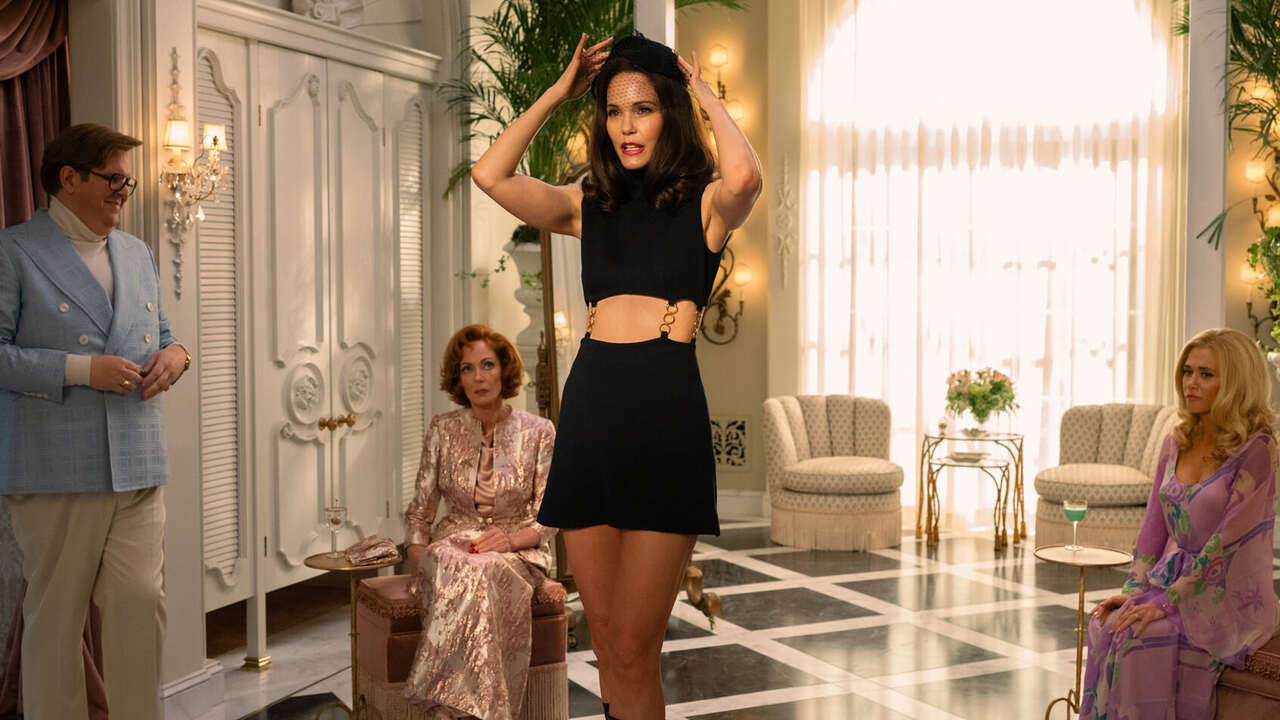
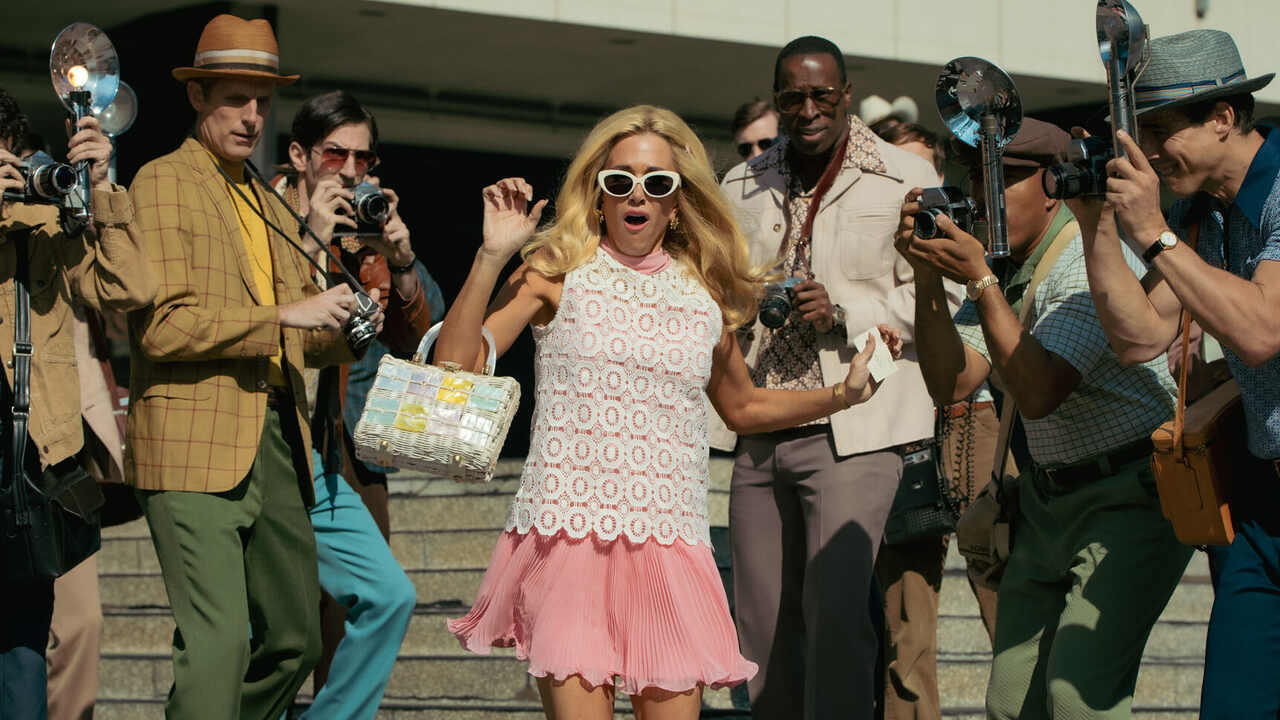
The main thrust of the episode places Maxine slightly off-balance, socially and emotionally. The Palm Royale remains present, of course, but it no longer feels like the sole object of desire. Maxine’s standing is shaky, and instead of immediately scrambling to restore it with another scheme, she hesitates. That hesitation is the most important development here. Kristen Wiig plays it with restraint that I wish the show had trusted earlier in the season. Her performance doesn’t rely on big reactions or comedic spikes; instead, she uses timing, posture, and silence. There are moments where Maxine simply listens, or pretends to listen, and you can see the calculation slowing down. That choice makes the episode feel more grounded and, frankly, more adult.
What I appreciated most is how the script frames Maxine’s “finding herself” not as a sudden awakening but as a series of mildly uncomfortable realizations. She notices how people treat her when she is no longer useful, how quickly allies become polite strangers, and how exhausting it is to always perform confidence. These scenes are written with a light touch, often played for humor, but they land because they are recognizable social dynamics. The comedy comes from observation rather than exaggeration, which suits the show’s tone far better than broad antics.
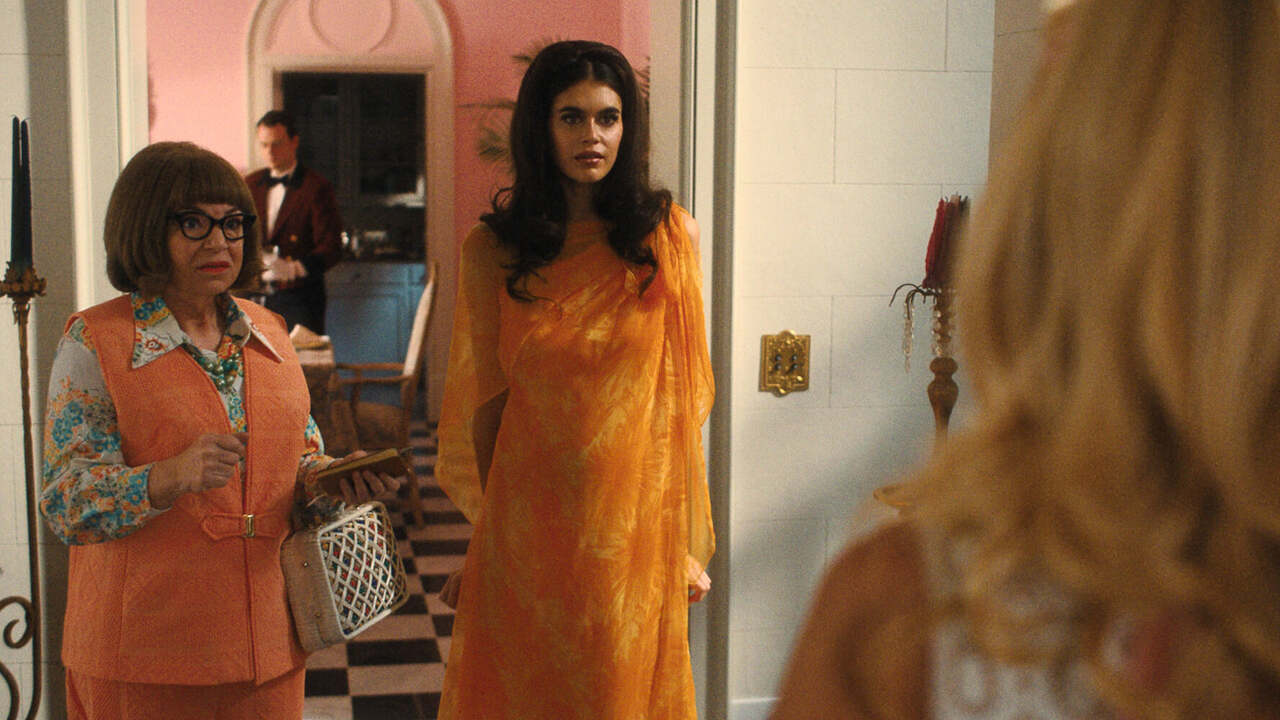
The supporting cast also gets meaningful room to breathe. Dinah’s storyline, in particular, subtly shifts from rivalry to something more complex. Without giving the episode a dramatic confrontation, the writers let her occupy scenes where she is competent, calm, and quietly strategic. It becomes clear that she has been watching Maxine for a long time and has learned from her mistakes. This is one of the episode’s smartest moves: it allows another woman to grow without turning that growth into a punishment for the lead. Carol Burnett’s presence, even when brief, continues to add texture. Her scenes are economical and sharp, and she delivers lines that feel like they’ve lived through decades of similar rooms and conversations.
Visually, the episode maintains the show’s polished look, but there is a noticeable shift in how spaces are used. The Palm Royale interiors feel less glamorous and more claustrophobic, often framed tightly, while exterior scenes allow more breathing room. This contrast mirrors Maxine’s internal state without calling attention to itself. The direction favors longer takes and fewer reaction cuts, which gives scenes a chance to settle. I found myself more engaged because the episode trusted me to sit with moments rather than rush me to the next plot beat.
That said, the pacing is not flawless. The middle portion lingers slightly too long on a secondary subplot that circles familiar territory. While it does reinforce the theme of social positioning, it doesn’t add much new information, and I could feel the episode marking time. A few lines of dialogue also spell out emotional beats that were already clear through performance. These moments don’t derail the episode, but they do remind me that the show sometimes underestimates its audience.
Another minor issue is that the episode occasionally wants credit for growth without fully earning it. Maxine’s self-awareness arrives in increments, which is good, but the consequences remain fairly gentle. She reflects, she adjusts, and yet the world still seems ready to welcome her back with minimal resistance. I understand the tonal choice—this is not a punishing show—but a bit more friction would have made her internal shift feel more necessary rather than optional.
Still, the writing deserves praise for how it balances humor with introspection. The jokes land because they come from character logic rather than set-ups. There are scenes where Maxine’s attempts at sincerity are undercut by her instincts, and the show allows both to exist without forcing a lesson. I laughed more than I expected, mostly at small moments: a delayed response, a misread room, a compliment that lands half a second too late. These details suggest a writers’ room that understands social comedy deeply.
From a broader storytelling perspective, this episode functions well as a pivot point. It doesn’t blow up the season’s arcs, but it subtly redirects them. Relationships feel more conditional now, and ambition feels less shiny. I like that the show doesn’t pretend self-discovery solves anything. Instead, it treats it as another tool Maxine may or may not use wisely. That ambiguity keeps her interesting and avoids turning the episode into a moral exercise.
If there’s one lingering frustration, it’s that the episode hints at structural change within the Palm Royale but stops short of exploring it fully. We see signs of shifting power, but the implications are left for later episodes. While this restraint is understandable, it slightly weakens the sense of momentum by the end. I wanted one more decisive turn, something to signal that the season is moving into a sharper phase.
Overall, I came away from “Maxine Finds Herself” feeling entertained, thoughtful, and cautiously optimistic about where the season is headed. It’s an episode that values character over spectacle and trusts performance over noise. Its flaws are mostly about hesitation rather than missteps, and those are easier to forgive when the emotional core feels this clear. As a viewer, I felt invited into Maxine’s head without being asked to excuse her, which is exactly where this show works best.
Final Score- [7/10]


Hi Everyone, after a due consideration, we have decided that we will be open for donations to help us in managing our website. We will be greatful for any kind of amount we receive. Thanks!
— Midgard Times 🎬 (@Moviesr_net) January 4, 2026
PayPal- [email protected] pic.twitter.com/DlNNz5Npm5
Get all latest content delivered to your email a few times a month.
Bringing Pop Culture News from Every Realm, Get All the Latest Movie, TV News, Reviews & Trailers
Got Any questions? Drop an email to [email protected]



 © Copyrights MOVIESR.NET All rights reserved