

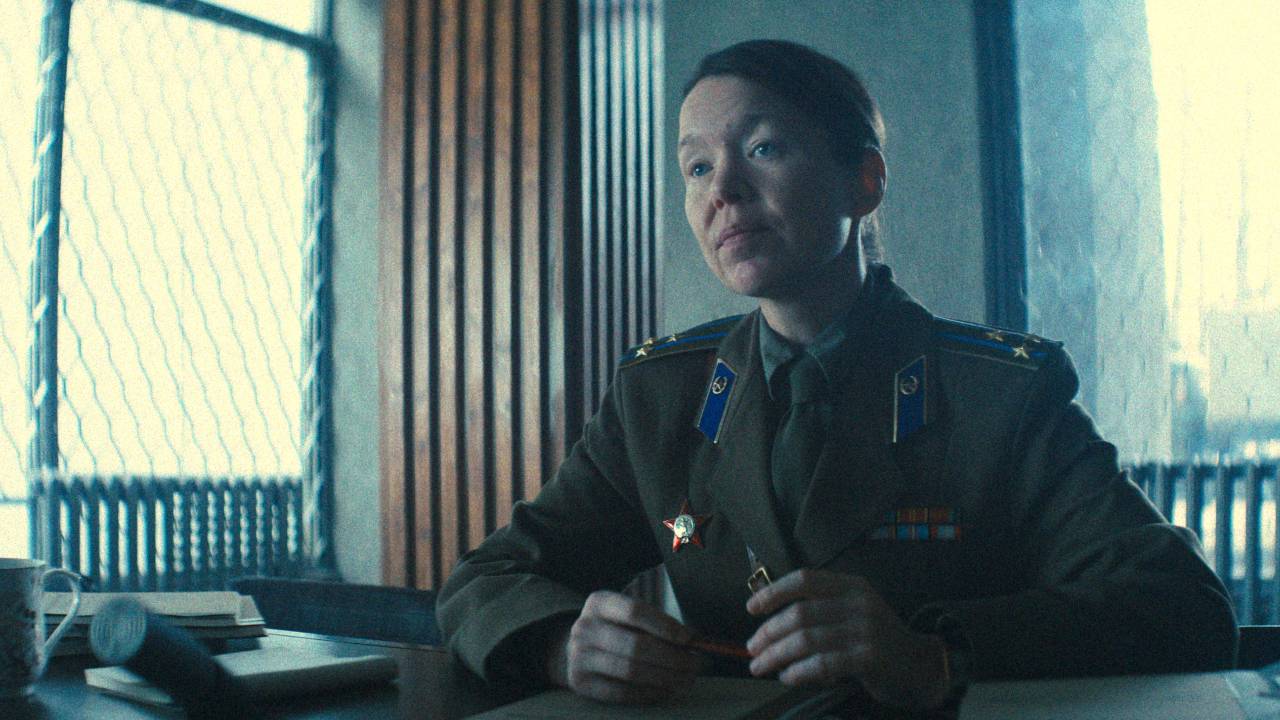
After four episodes, Star City has become one of the most frustratingly impressive shows on television. I mean that as a compliment. And also as a complaint. "Dark Forest" is another beautifully crafted hour of television that left me simultaneously impressed by its craftsmanship and mildly annoyed by how reluctant it is to actually move the story forward. The show remains intelligent, atmospheric, and remarkably well-acted. It also continues treating narrative momentum like a valuable Soviet resource that must be carefully rationed.
This is probably the episode where that tension becomes most noticeable. The good news is that the character work is stronger than ever. The less good news is that the plot sometimes feels like it's moving through customs. The biggest focus this week is Anastasia Belikova, and it's easily Alice Englert's strongest episode so far. Earlier episodes established Anastasia as a symbol of Soviet achievement, but "Dark Forest" finally explores what happens after someone becomes a symbol.
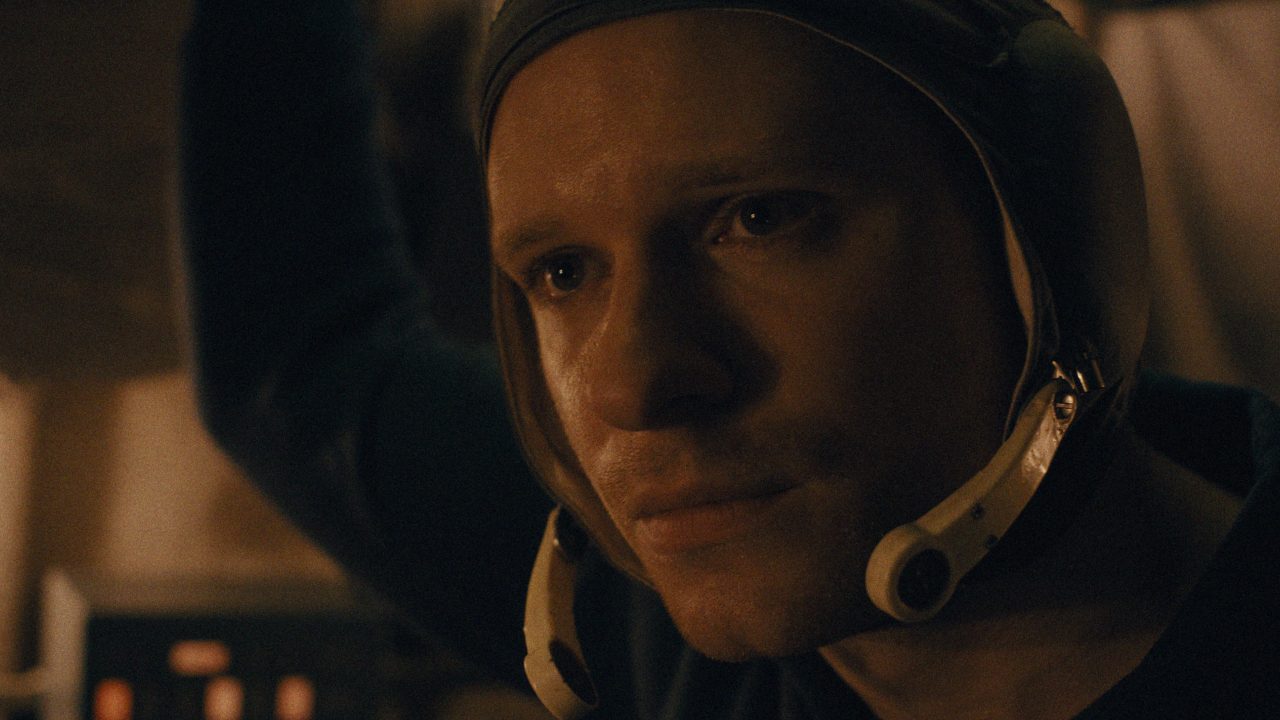
One of the most interesting aspects of the episode is how it examines fame through the lens of a highly controlled society. Anastasia isn't simply becoming famous. She's becoming useful. The state, the media, and the space program all have expectations for who she should be and how she should behave. The episode smartly explores the gap between a public image and a private individual. Englert handles that material extremely well. There's a growing weariness underneath the character's public confidence, and Englert does a great job communicating it without becoming overly dramatic. Some of the episode's best moments are the quiet ones where Anastasia appears trapped by her own success.
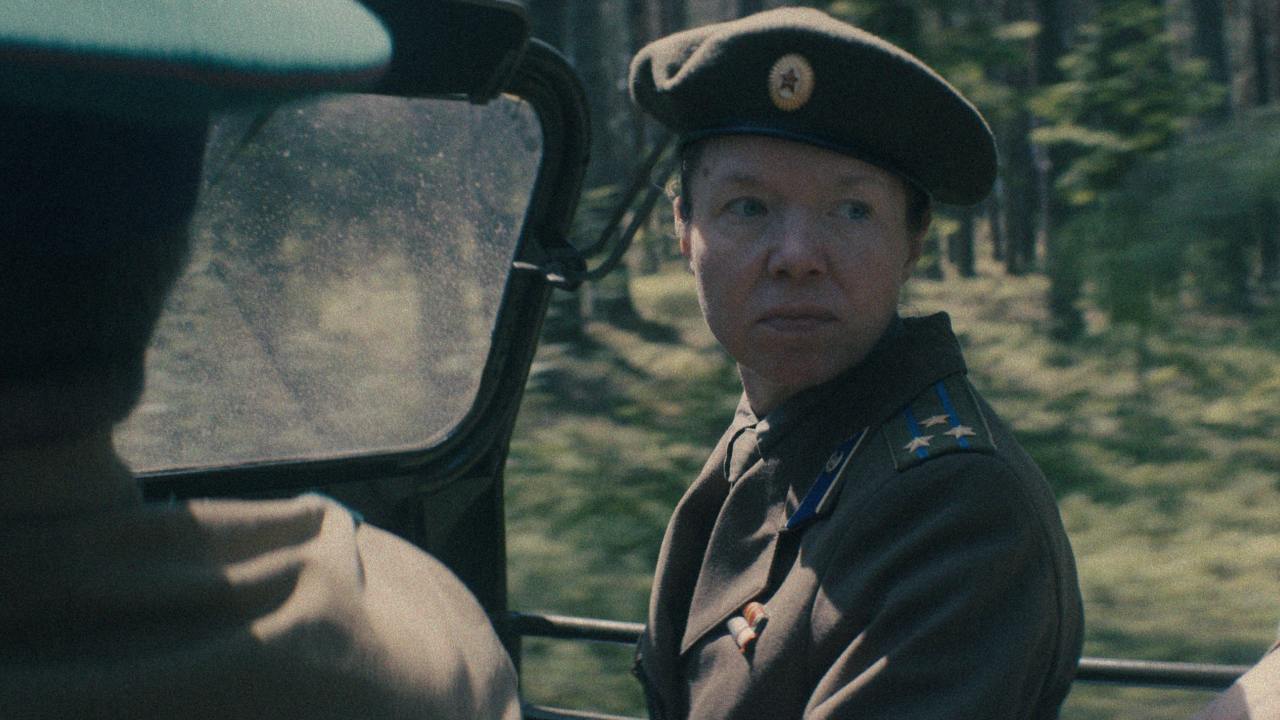
Agnes O'Casey also gets strong material as Irina Morozova. The official synopsis only mentions that Irina tracks an important lead, but what stood out to me is how effectively the series continues using her as an audience surrogate. Irina often feels like the person most aware of how dangerous her environment actually is. Everyone else seems to be managing the system. Irina seems to be studying it. That distinction makes her fascinating. O'Casey continues giving one of the show's most understated performances. She rarely dominates scenes, but she's consistently compelling. There's an intelligence and caution to the character that feels completely believable within this world.
Meanwhile, Anna Maxwell Martin remains an absolute force as Lyudmilla Raskova. At this point, Lyudmilla may be the most intimidating character in the entire For All Mankind universe. Martin has mastered the art of making ordinary conversations feel dangerous. Every scene involving Lyudmilla carries an undercurrent of tension because everyone around her seems aware that she's always observing, always calculating, and always learning something. The character remains one of the show's greatest achievements.
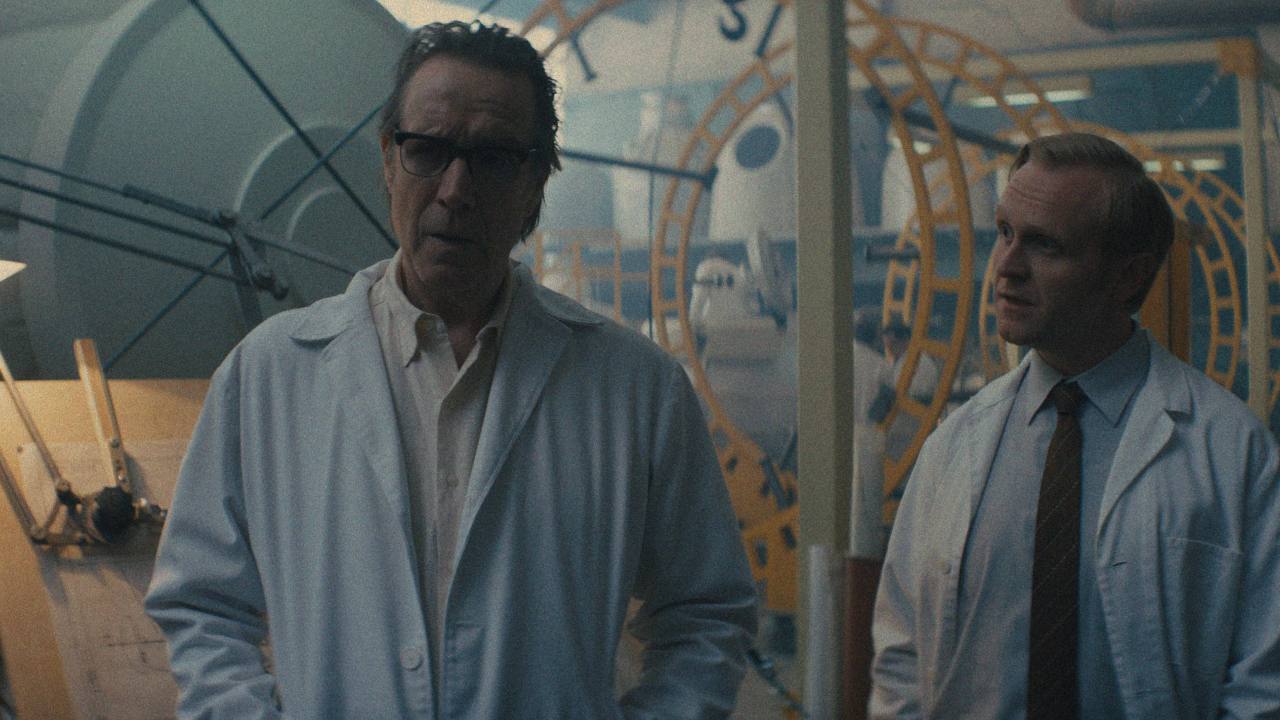
Rhys Ifans continues doing excellent work as the Chief Designer as well. What I appreciate about Ifans' performance is how human he's allowed to be. Lesser versions of this show would turn him into an untouchable genius. Instead, he increasingly feels like a brilliant man trapped inside a machine that's becoming harder to control. The political and scientific pressures surrounding him continue building in interesting ways.
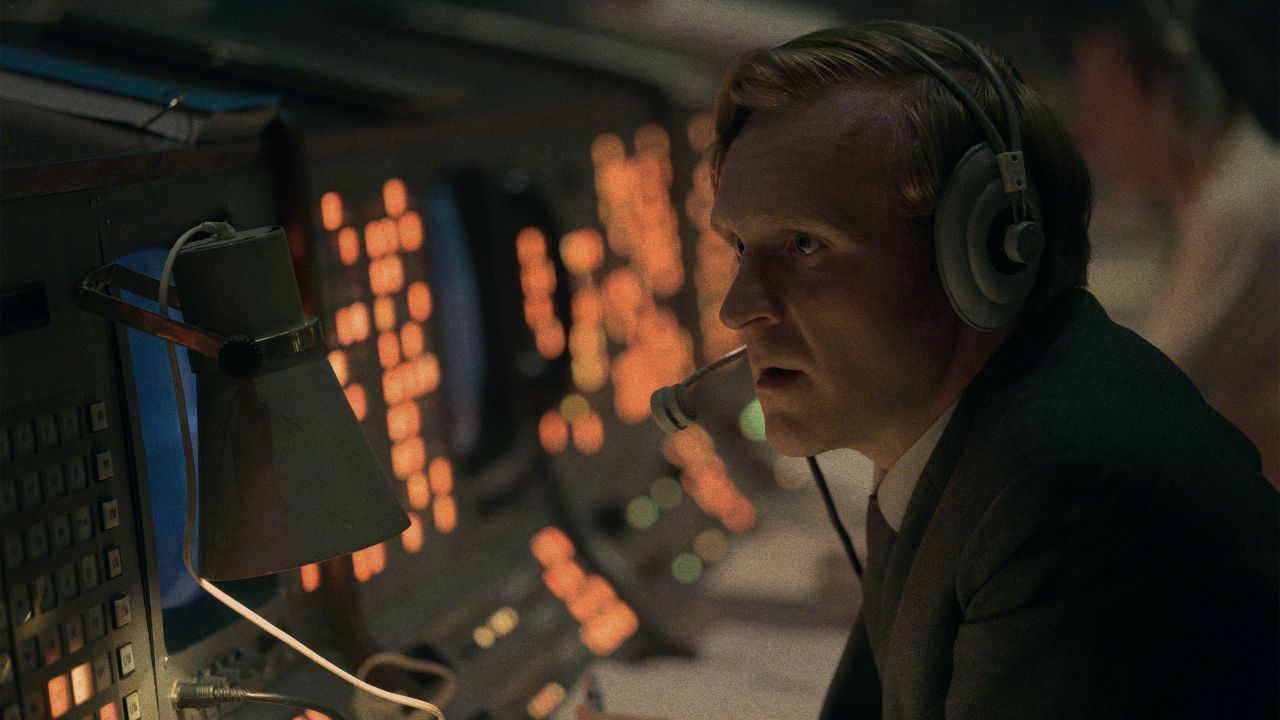
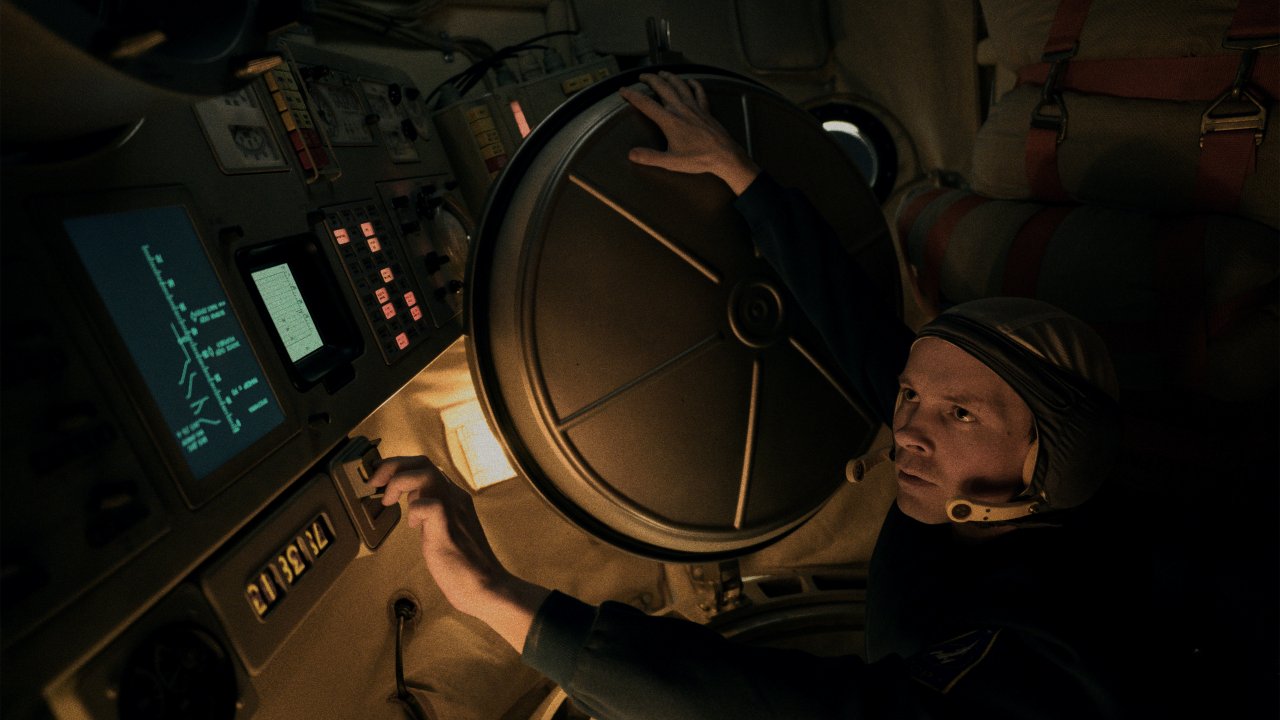
Star City might have the strongest world-building of any science-fiction series currently airing. Every office, training facility, apartment, conference room, and surveillance space feels authentic. The show understands that environments tell stories. The Soviet Union presented here feels lived-in rather than recreated. The visual storytelling remains outstanding. The series also continues finding interesting ways to make bureaucracy feel terrifying. Most thrillers rely on violence, action sequences, or dramatic confrontations. Star City can generate tension from a meeting, a conversation, or a seemingly innocent question.
Thematically, "Dark Forest" may be the strongest episode so far. The title itself feels appropriate because much of the hour revolves around visibility and observation. Characters are constantly watching each other. Institutions are monitoring individuals. Public personas are being manufactured. Private thoughts are becoming increasingly dangerous. The show's exploration of surveillance remains one of its most compelling ideas.
Despite all the excellent performances and thematic depth, the episode occasionally feels stuck in place. The story continues developing tensions rather than resolving them. Characters continue feeling trapped. The atmosphere grows heavier. The pressure increases. But major developments remain surprisingly limited. By episode four, I was hoping for a little more forward momentum. Just a stronger sense that events are actively changing. Instead, "Dark Forest" often feels like a very sophisticated exercise in escalation without payoff.
There are also moments where the show's emotional restraint becomes a double-edged sword. I admire how subtle the performances are, but occasionally that subtlety creates distance. Compared to For All Mankind, which often delivers huge emotional swings, Star City remains remarkably controlled. Sometimes a little too controlled. I found myself appreciating scenes more than emotionally feeling them.
The supporting cast remains solid overall, though some secondary characters still feel slightly underdeveloped compared to the central quartet. That's not unusual for a first season, but it's becoming more noticeable as the show asks viewers to invest in increasingly complex relationships and political dynamics. What ultimately saves the episode is that the writing remains smart enough to keep me engaged even when the pacing slows. The show consistently trusts its audience. It never overexplains. It never reduces complicated situations into simple moral lessons.
I simply wished the episode had been a little bolder about moving its pieces around the board. The foundations are excellent. The performances are excellent. The atmosphere is excellent. The story itself just feels slightly reluctant to capitalize on all that potential. Star City episode four is another beautifully acted and visually stunning chapter that deepens the show's exploration of fame, surveillance, and institutional control. Alice Englert delivers her strongest work of the season, while Agnes O'Casey, Anna Maxwell Martin, and Rhys Ifans continue anchoring one of television's strongest ensembles. However, the deliberate pacing, emotional restraint, and limited narrative progression prevent "Dark Forest" from fully matching its ambitions. It's intelligent, immersive, and consistently compelling, but also the clearest example yet of a show that's asking a lot of patience from its audience.
Final Score- [7.5/10]
Hi Everyone, after a due consideration, we have decided that we will be open for donations to help us in managing our website. We will be greatful for any kind of amount we receive. Thanks!
— Midgard Times 🎬 (@Moviesr_net) January 4, 2026
PayPal- [email protected] pic.twitter.com/DlNNz5Npm5
Get all latest content delivered to your email a few times a month.
Bringing Pop Culture News from Every Realm, Get All the Latest Movie, TV News, Reviews & Trailers
Got Any questions? Drop an email to [email protected]
 © Copyrights MOVIESR.NET All rights reserved