

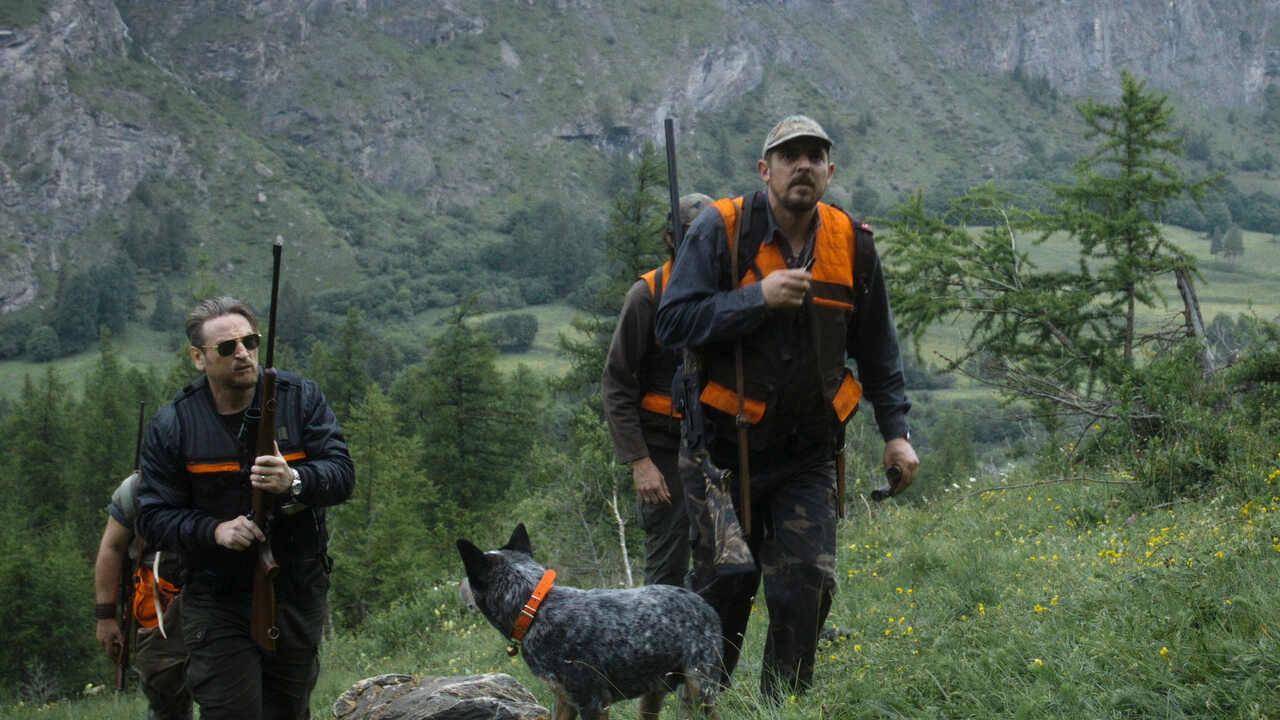
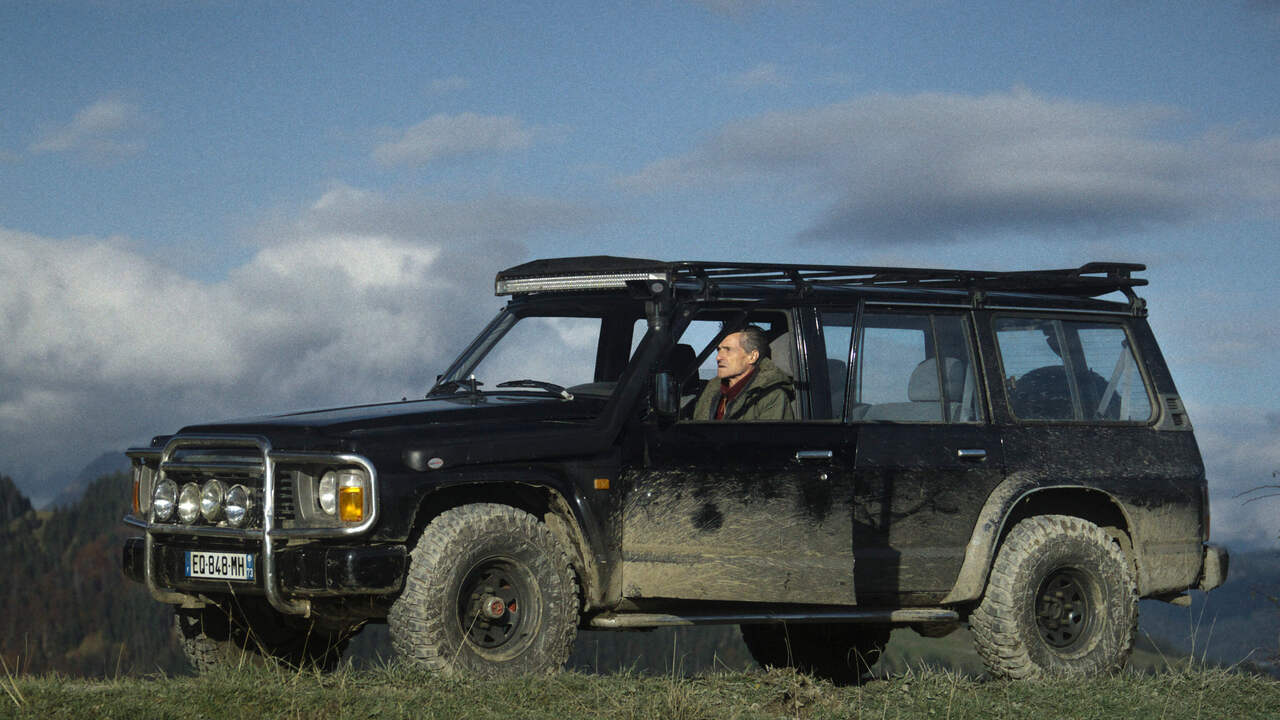
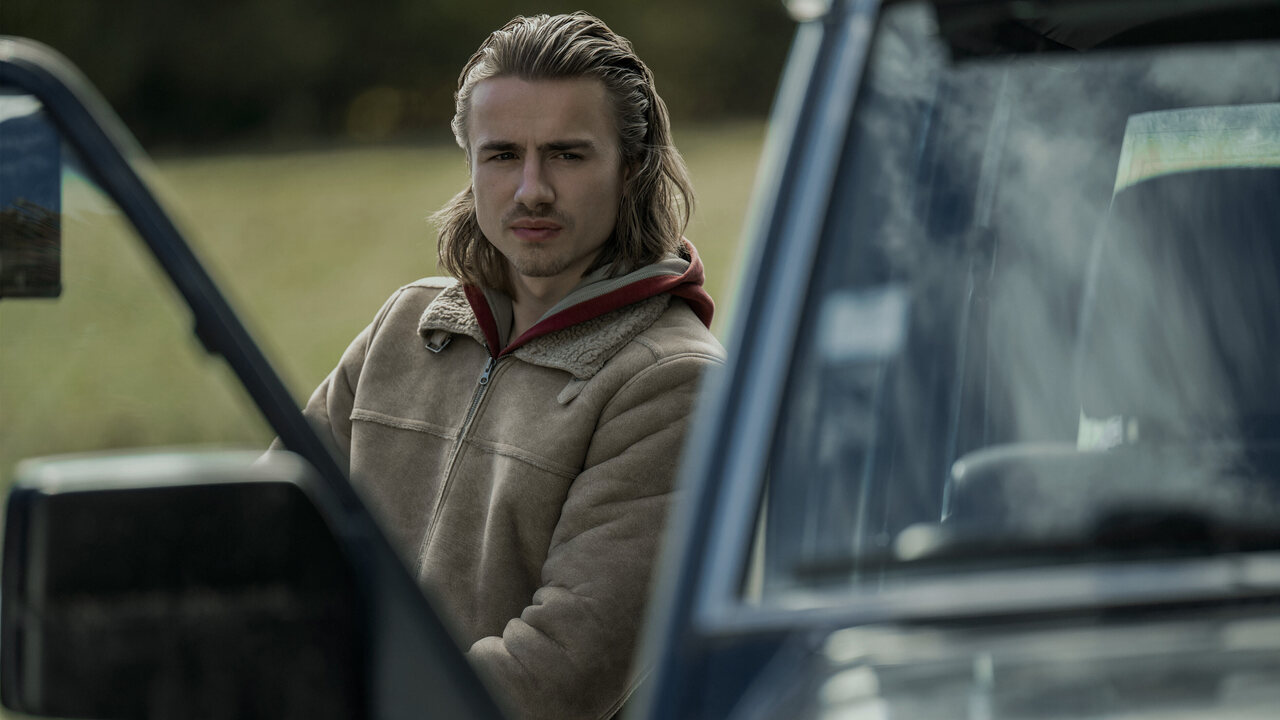
The first episode of The Hunt (Traqués), titled “Day of Hunting,” wastes very little time establishing the central anxiety that will likely drive the entire series. The premise is simple on paper: four friends head into the woods for a familiar hunting excursion and end up in the middle of an unexpected firefight with another group of hunters. Yet the episode quickly shows that the real story is less about the brief shootout itself and more about the psychological aftermath when the men return to their normal lives. It is an intriguing choice, and for the most part, it works.
The opening sequence sets the tone effectively. Franck and his friends, Simon, Gilles, and Xavier, are shown moving through the forest with the relaxed familiarity of people who have done this many times before. There is nothing especially dramatic about the setup, and that ordinariness actually helps. The show doesn’t frame the outing as something ominous from the start. It looks like a typical weekend ritual among friends who share a hobby. That normality makes the sudden eruption of gunfire feel abrupt and disorienting.
The moment when the other group appears across the river is handled with deliberate confusion. Shots ring out without warning, and the scene unfolds quickly enough that the viewer is not entirely sure who is shooting at whom or why. Xavier is grazed by a bullet along the side of his head, which immediately raises the stakes. One of Franck’s group fires back, and a man from the other side appears to go down. The episode never presents this moment with full clarity, which seems intentional. Even the characters themselves are uncertain about exactly what happened. Was the man killed? Who fired the shot that dropped him? In a thriller built around paranoia and suspicion, starting with ambiguity is a smart move.
After the chaos in the woods, the story shifts into its more psychological phase. The men retreat to Gilles’ home and call a doctor friend, Léo, to treat Xavier’s injury. This portion of the episode slows down considerably, but the slower pacing serves a purpose. The show wants the audience to sit with the discomfort the characters feel. These are not hardened criminals; they are ordinary men suddenly faced with the possibility that they might have been involved in someone’s death. Their first instinct is not heroism but self-preservation. They decide to keep quiet about what happened and return to their lives.
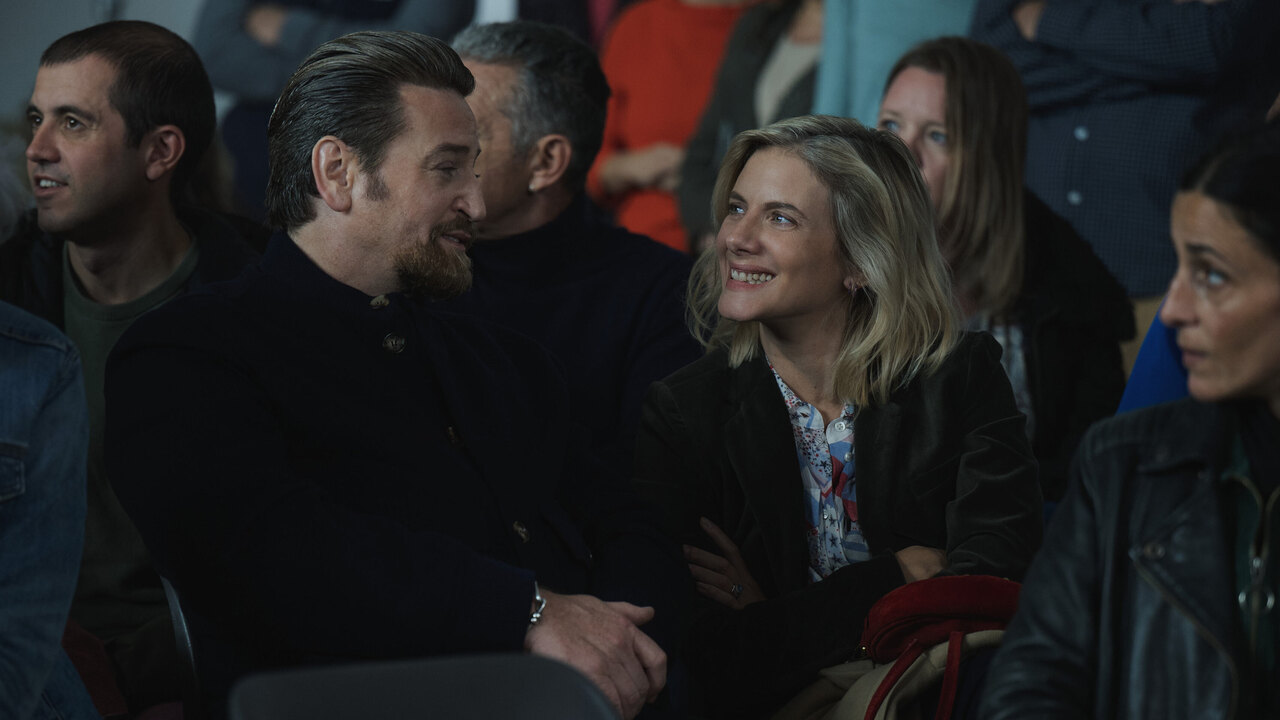
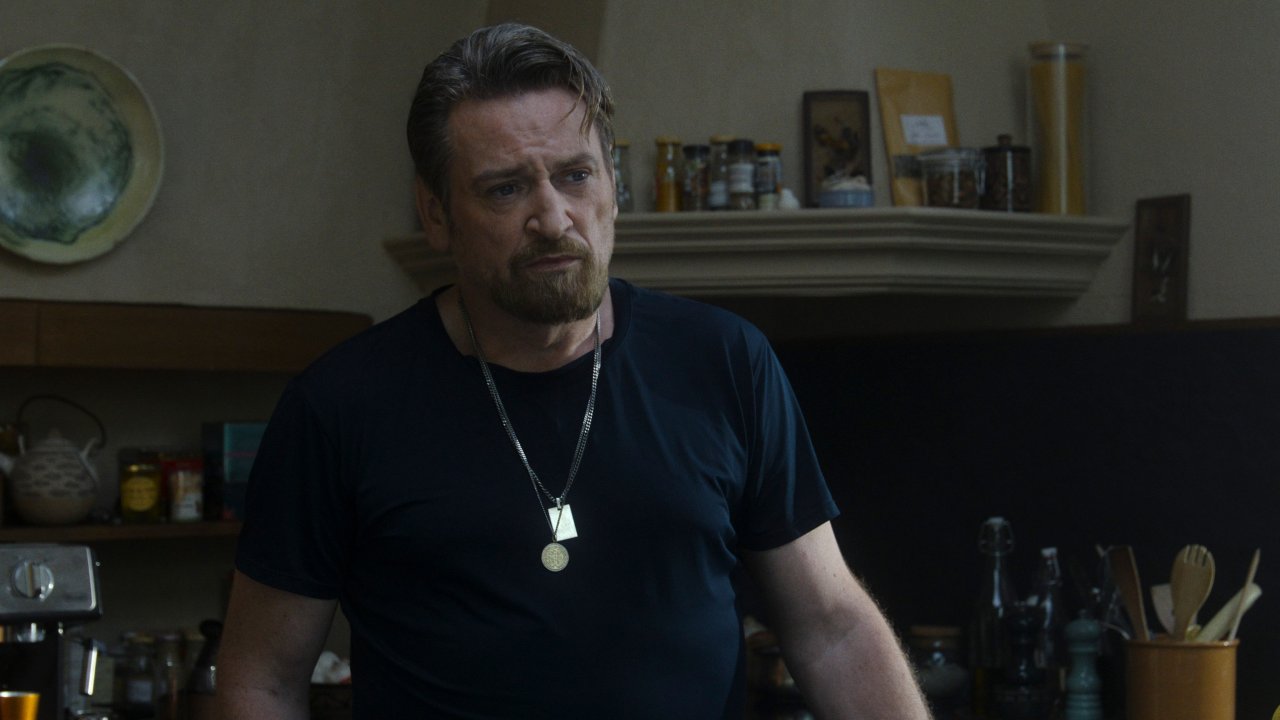
Franck emerges as the emotional center of the story. Played with controlled intensity by Benoît Magimel, he carries the tension of the episode on his shoulders. While the other men try to move on, Franck becomes increasingly uneasy. He returns home to his wife, Krystel, a doctor who works with troubled teenagers, and tries to resume normal domestic routines. But Magimel plays these scenes with a quiet restlessness. Franck may appear calm on the surface, yet it’s clear that his mind is replaying the incident in the forest.
One of the episode’s strongest decisions is to show how paranoia begins creeping into ordinary moments. Franck is the only one who seems truly convinced that the situation is not finished. The next day, he goes back to the scene of the shooting, hoping to collect shell casings that could link them to the incident. Instead, he finds that the evidence is gone. That discovery immediately changes the tone of the story. It suggests that someone else has already been there, possibly cleaning up or watching them. This is where the episode’s central idea becomes clearer: the hunters may now be the hunted.
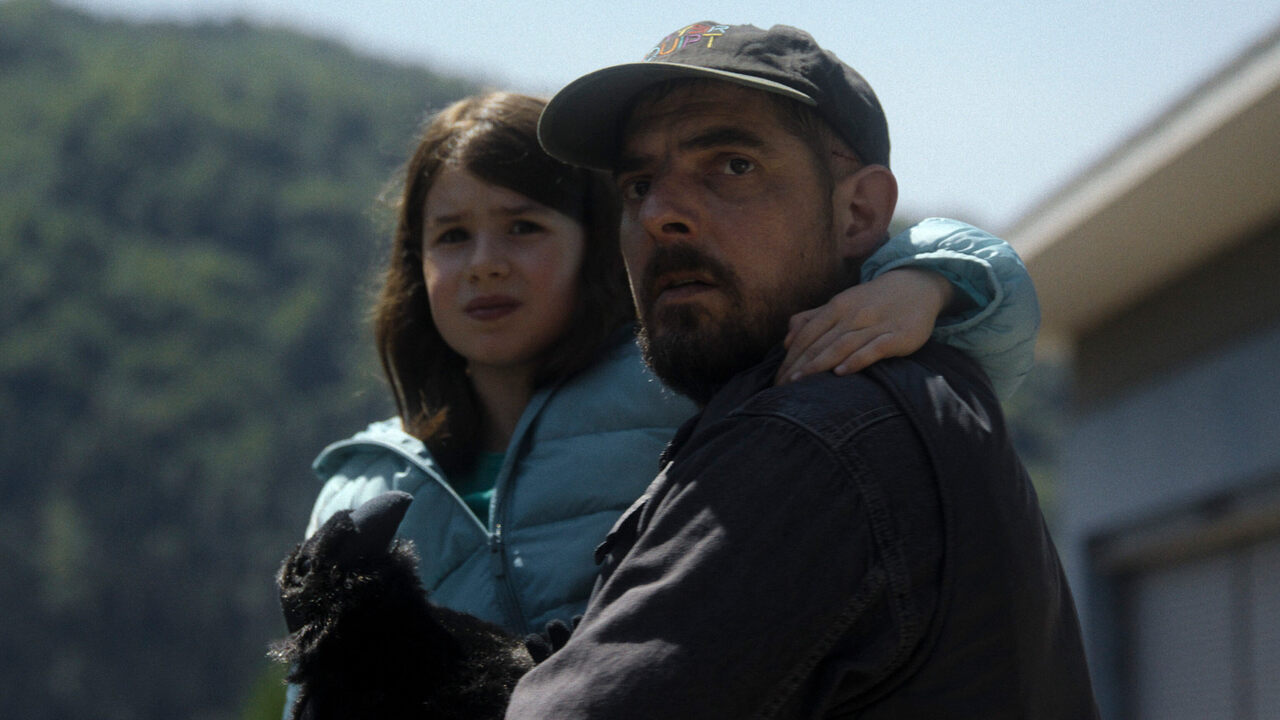
The writing keeps the tension grounded in small, believable details rather than dramatic action. Franck’s growing suspicion pushes him to investigate further, leading him to discover an obituary for a man who reportedly died in a hunting accident. He even visits the widow, pretending to be an old acquaintance of the deceased. The scene is quiet but unsettling. It reveals that Franck is willing to cross ethical lines in order to understand what happened in the forest.
From a technical standpoint, the episode is polished and confident. The cinematography captures the wooded landscapes with a cool, restrained style that fits the story’s tone. The forest scenes feel expansive and isolating, while the domestic settings back in town appear calm but slightly claustrophobic. That contrast helps reinforce the show’s central theme: danger does not necessarily stay in the wilderness.
The performances are another strong point. Magimel gives Franck a believable mix of rationality and unease, avoiding exaggerated thriller clichés. Mélanie Laurent, as Krystel, doesn’t receive a huge amount of screen time in the premiere, but she adds credibility to the domestic side of the narrative. Her character seems perceptive enough to sense that something is wrong, even if she does not yet know the details.
However, the episode is not without flaws. The biggest issue is that the story begins with so little context that it occasionally feels underdeveloped. The show introduces four main characters in a tense situation, but spends limited time establishing who they are before the crisis begins. As a result, Simon, Gilles, and Xavier remain somewhat indistinct in the first episode. Franck clearly stands out, but the rest of the group blends more than they should. In a series built around shared guilt and suspicion, stronger individual characterization would have made the opening more compelling.
The inciting incident itself also raises questions. The sudden attack in the woods is effective in building tension, but the episode offers no hint of why the other group started shooting. That lack of explanation may eventually pay off as a mystery, yet in the moment, it risks feeling slightly arbitrary. A few additional clues could have helped anchor the event more firmly in the story.
Despite these issues, the premiere succeeds in setting up an engaging psychological thriller. It resists the temptation to rely solely on action and instead focuses on the lingering consequences of a single violent moment. The idea that these men might be watched or pursued long after the incident gives the series a strong foundation.
By the time the episode ends, the atmosphere of quiet dread is firmly in place. Franck’s determination to uncover the truth hints that the story will expand beyond a simple hunting accident. Someone may know what happened in the forest, and if Franck’s instincts are correct, the consequences are only beginning.
As opening episodes go, “Day of Hunting” is a thoughtful and suspenseful start. It builds intrigue through uncertainty and character tension rather than spectacle. A little more clarity about the supporting characters would have strengthened it, but the core premise is compelling enough to keep me interested. If the rest of the season develops its mysteries with the same patience and intensity, The Hunt could evolve into a very absorbing thriller.
Final Score- [7.5/10]
Hi Everyone, after a due consideration, we have decided that we will be open for donations to help us in managing our website. We will be greatful for any kind of amount we receive. Thanks!
— Midgard Times 🎬 (@Moviesr_net) January 4, 2026
PayPal- [email protected] pic.twitter.com/DlNNz5Npm5
Get all latest content delivered to your email a few times a month.
Bringing Pop Culture News from Every Realm, Get All the Latest Movie, TV News, Reviews & Trailers
Got Any questions? Drop an email to [email protected]
 © Copyrights MOVIESR.NET All rights reserved