

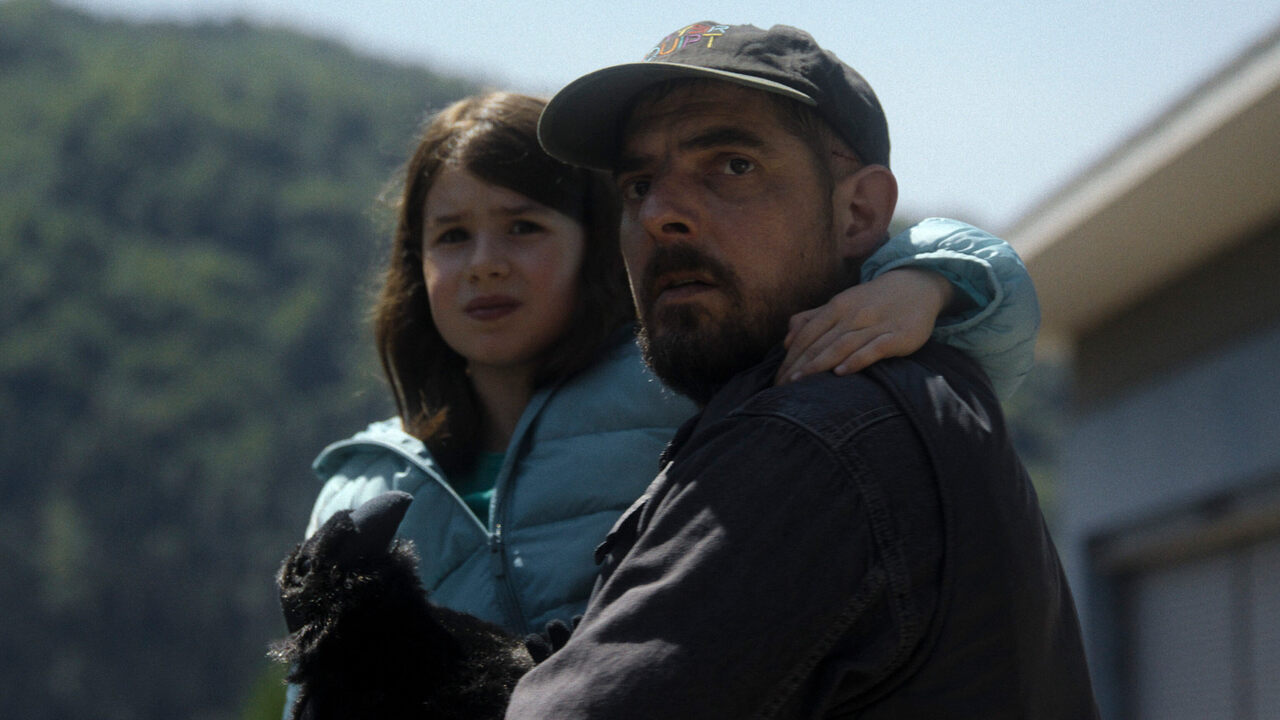
Episode two of The Hunt (Traqués), titled “The Return (Le Retour),” settles into the uneasy aftermath of the show’s explosive opening. Instead of rushing forward with more gunfire or immediate confrontations, the episode slows the story down and focuses on something more psychologically unsettling: the creeping realization that what happened in the woods cannot simply be buried. I found this approach refreshing, even if it occasionally tested my patience. It’s an episode about dread rather than action, and for the most part, it works.
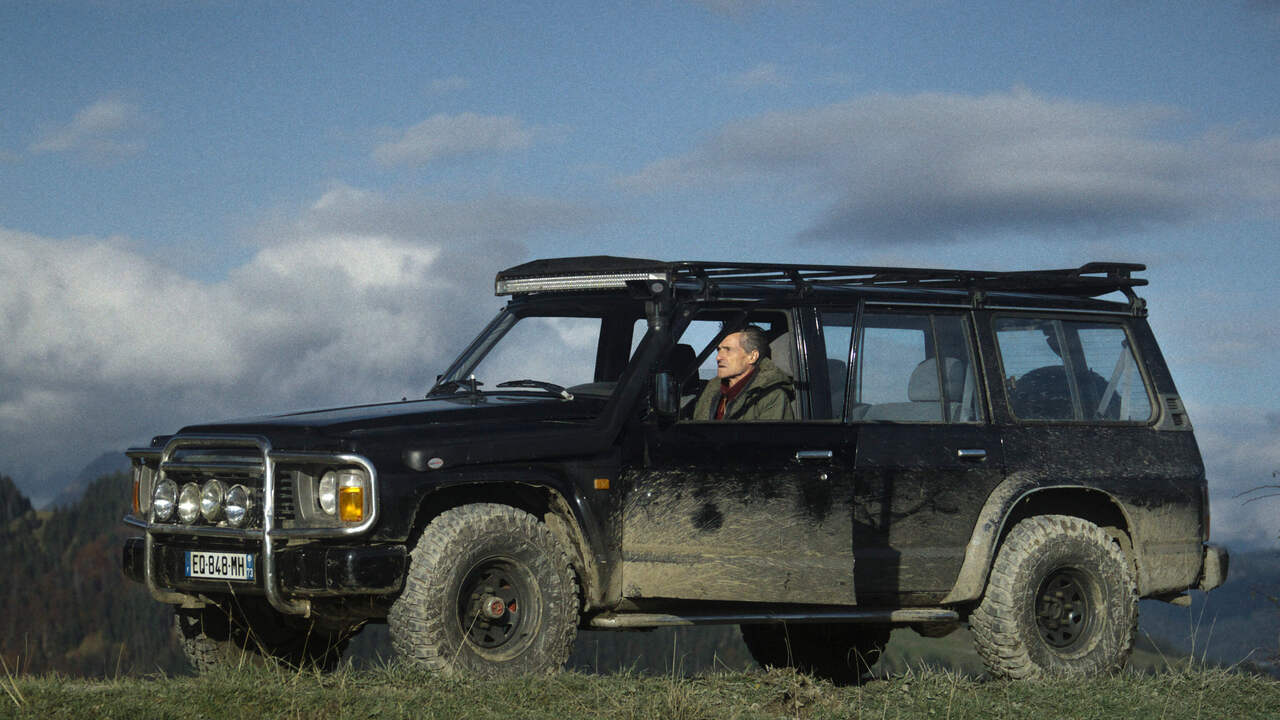
The hour opens with Franck already on edge. The shock of the hunting trip has not faded, and the discovery of bullets placed inside his letterbox makes it clear that someone is watching. It is a simple but effective moment. The gesture feels deliberately intimate. Whoever left those bullets knows exactly where he lives, and that knowledge transforms the threat from abstract paranoia into something immediate. Franck’s reaction is telling. He doesn’t call the police or discuss it openly; instead, he immediately checks his car, searching for further signs of intimidation. That instinct—to contain the situation rather than expose it—captures the moral logic driving the entire group. They chose silence after the shooting, and now they’re locked inside that decision.
What I appreciated most about this episode is how it examines the psychological toll of that silence. The friends are not heroic figures; they are ordinary men trying to hold together the illusion of normal life while quietly panicking. The writing leans into this tension well. Conversations feel slightly strained, glances linger too long, and everyday interactions carry a subtle sense of accusation. Nobody explicitly says it, but everyone knows their secret is unstable.
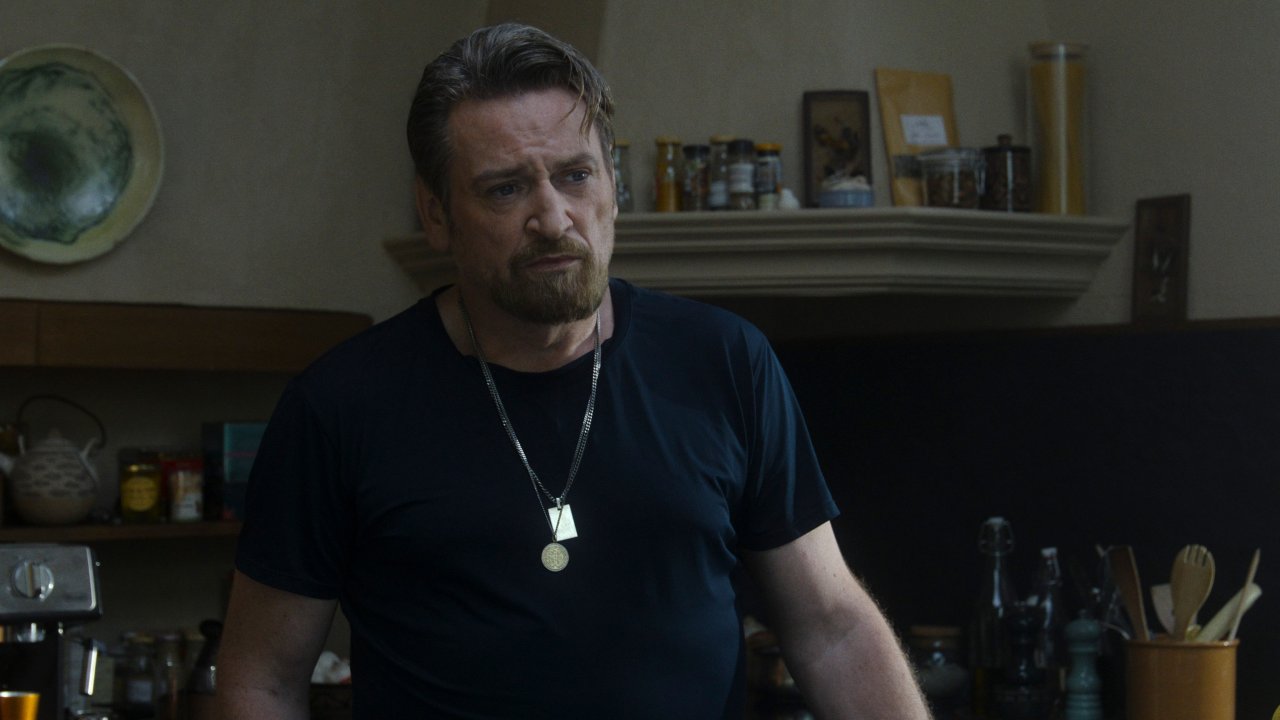
Benoît Magimel continues to anchor the series as Franck, and his performance remains one of the show’s strongest assets. Magimel plays Franck as a man who believes he is maintaining control even as his composure begins to fracture. His body language does much of the work: stiff shoulders, tight pauses before answering questions, and the constant scanning of his surroundings. It’s not a showy performance, but it’s precise. I never felt like he was performing panic; instead, he lets it leak through the cracks.
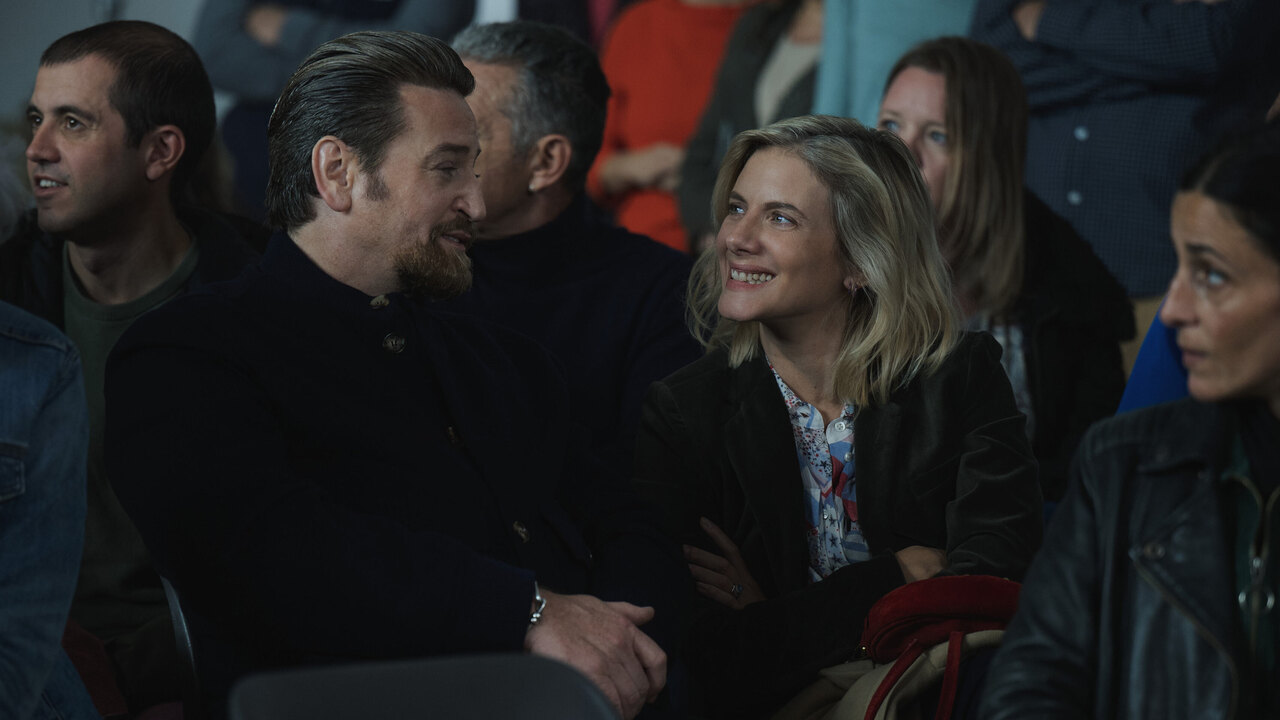
The episode also expands the perspective beyond the four hunters, which is a smart move. Franck’s home life receives more attention here, particularly through his wife, Krystel. Mélanie Laurent brings a calm authority to the role. Krystel is perceptive enough to sense that something is wrong with her husband, though she does not yet know the truth. The tension in their scenes comes from the gap between what she observes and what Franck refuses to explain. Laurent plays these moments with subtle restraint, giving Krystel emotional intelligence rather than melodrama.
One of the more intriguing threads involves Krystel’s work helping a vulnerable runaway through a local shelter. At first, this subplot seems disconnected from the main narrative, but it gradually hints that the town itself is full of overlapping secrets and fragile lives. The series clearly wants to build a broader portrait of the community rather than focusing solely on the hunters. I admire that ambition. Whether all these narrative strands will ultimately connect satisfyingly remains an open question, but the attempt adds texture.
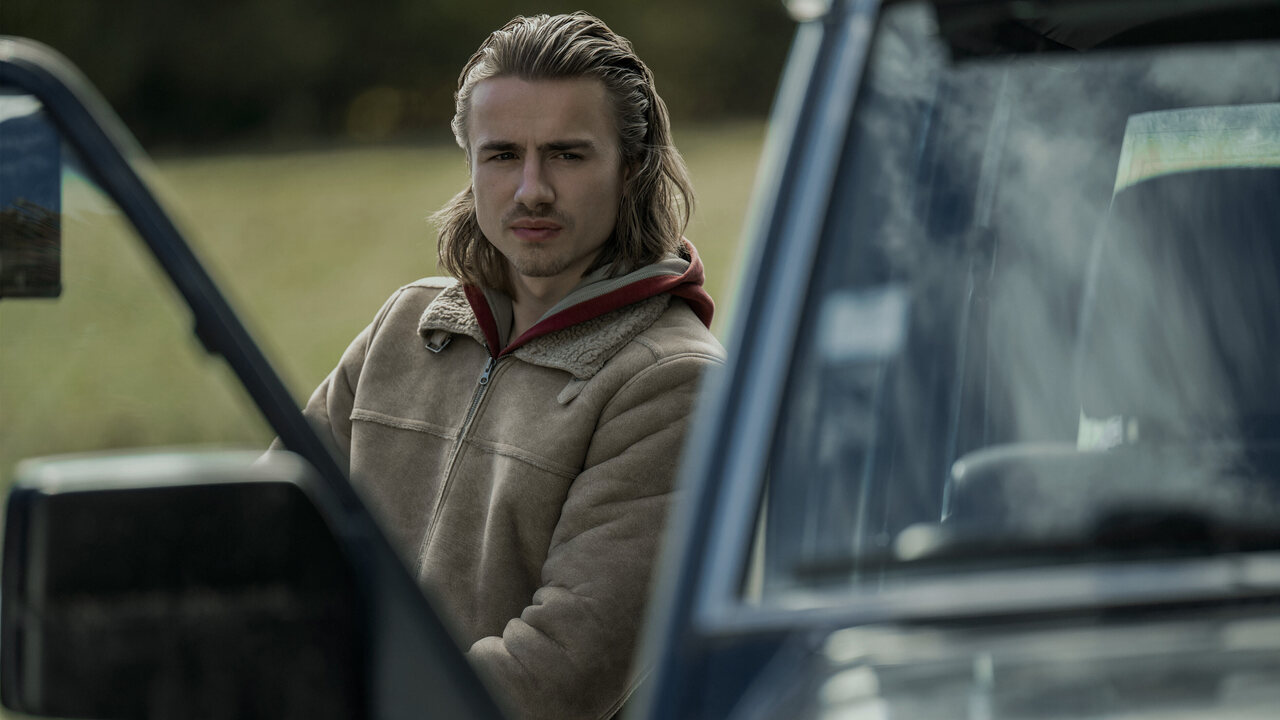
Another layer comes from Franck and Krystel’s daughter Estelle. Her storyline introduces the familiar but still effective theme of teenage rebellion. Estelle’s relationship with a local boy, whose family connections may not be entirely respectable, adds another potential source of trouble. What could have been a generic subplot is elevated slightly by Sarah Pachoud’s performance. She brings a believable mix of curiosity and defiance that makes Estelle feel like a real teenager rather than a plot device.
Visually, “Le Retour” maintains the series’ atmospheric style. The rural setting continues to play a major role in shaping the mood. Forest roads, quiet houses, and empty village spaces create a persistent feeling of isolation. The cinematography emphasizes distance—characters framed through windows, across fields, or partially obscured by trees. It’s a subtle visual strategy that reinforces the idea that everyone might be watching everyone else. I particularly liked how the episode uses stillness. Instead of filling every moment with music or dialogue, the direction often lets scenes breathe.
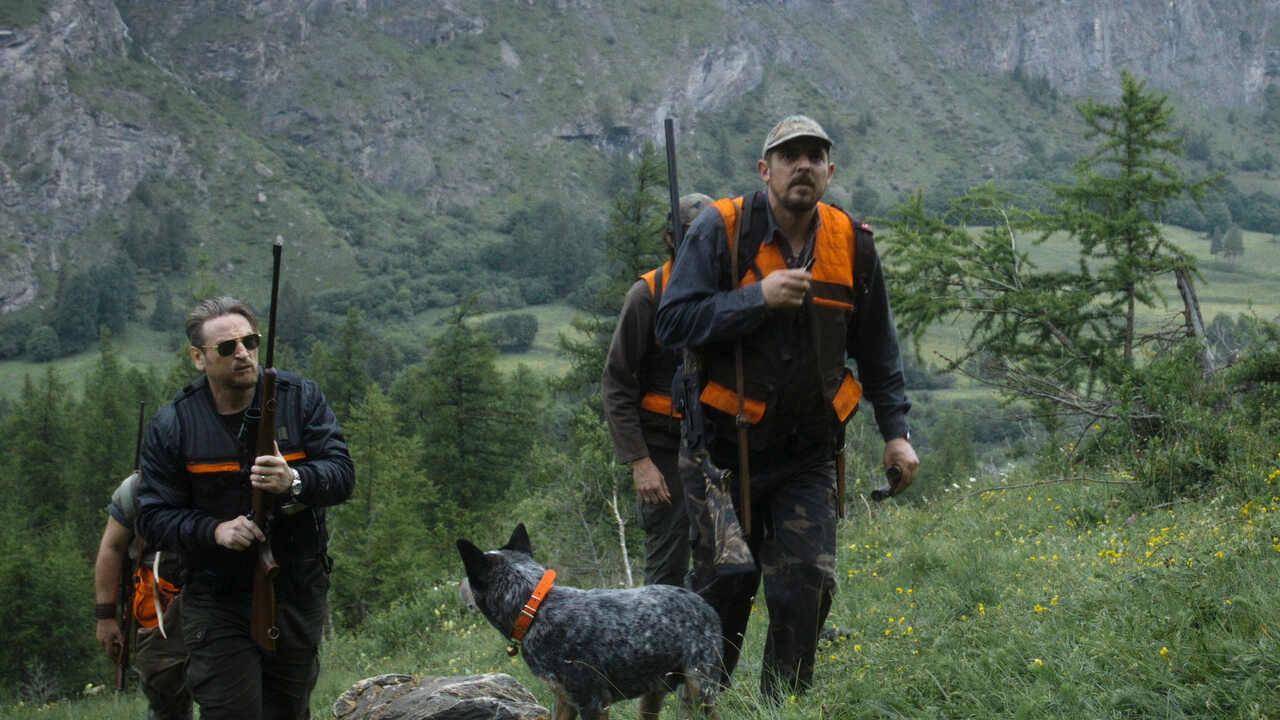
At the same time, the slower pace reveals some of the show’s weaknesses. The most obvious problem is that several characters remain underdeveloped. Franck’s friends—Xavier, Simon, and Gilles—are present in the episode, but their personalities still feel sketchy. We know Simon struggles with guilt over the shot that injured the other hunter, but beyond that, he remains vaguely defined. Xavier’s petty criminal tendencies are hinted at, and Gilles is portrayed as the most decent of the group, yet none of them feel fully realized. For a story built around collective responsibility, that lack of depth can occasionally weaken the emotional stakes.
The dialogue sometimes falls into familiar thriller patterns as well. Characters frequently speak in half-truths or vague warnings, which fits the tone but can feel repetitive after a while. I found myself wishing for a few sharper conversations that would reveal more about who these people actually are beyond their shared secret.
Still, the episode succeeds where it matters most: sustaining tension. Even though very little overt action occurs, the sense of danger steadily grows. The bullets in the mailbox are a small detail, but they signal something important. Whoever is responsible for the earlier shooting incident has not disappeared. If anything, they are becoming more deliberate.
By the end of “Le Retour,” the characters have technically resumed their routines. They go to work, talk with family members, and move through their daily lives. But nothing feels normal anymore. The secret hanging over them has begun to reshape every interaction, and the threat surrounding them is clearly becoming more personal.
I came away from the episode impressed by its patience. Not every thriller is willing to spend this much time exploring consequences instead of escalating spectacle. The downside is that the show occasionally feels restrained to the point of hesitation, as if it is carefully arranging pieces rather than letting the story surge forward. Yet the quiet intensity of the episode kept me engaged.
If the premiere established the central act of violence, “Le Retour” explores its emotional echo. The result is a thoughtful, slow-burning chapter that deepens the atmosphere of suspicion surrounding the characters. It may not deliver dramatic twists or explosive confrontations, but it does something arguably more important: it shows how quickly a single moment of violence can poison an entire community.
Final Score- [7/10]
Hi Everyone, after a due consideration, we have decided that we will be open for donations to help us in managing our website. We will be greatful for any kind of amount we receive. Thanks!
— Midgard Times 🎬 (@Moviesr_net) January 4, 2026
PayPal- [email protected] pic.twitter.com/DlNNz5Npm5
Get all latest content delivered to your email a few times a month.
Bringing Pop Culture News from Every Realm, Get All the Latest Movie, TV News, Reviews & Trailers
Got Any questions? Drop an email to [email protected]
 © Copyrights MOVIESR.NET All rights reserved