

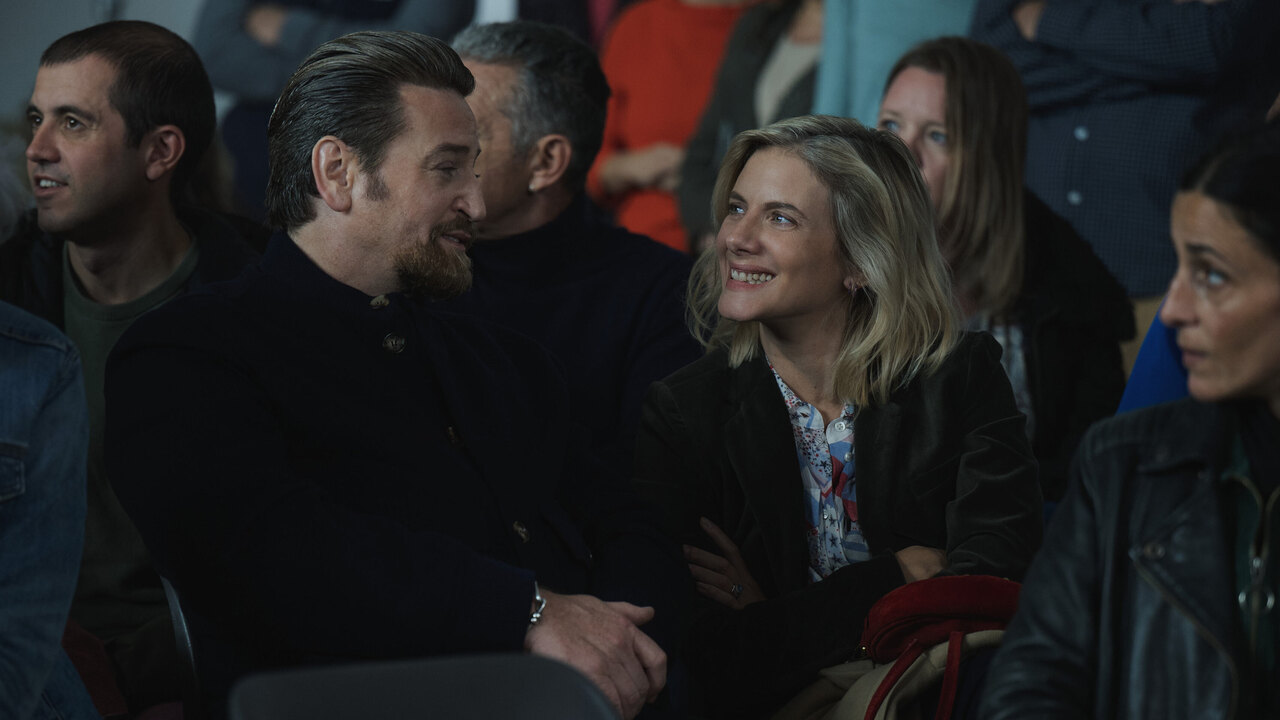
By the time Episode 3 of The Hunt (Traqués) arrives, the series has firmly settled into its core idea: a single moment of violence can destabilize an entire community. “Collateral Damage” leans directly into that concept, widening the story’s scope beyond the hunters themselves and into the families and everyday spaces that surround them. What impressed me most about this installment is how deliberately it expands the narrative without losing the intimate tension that made the opening episodes so engaging.
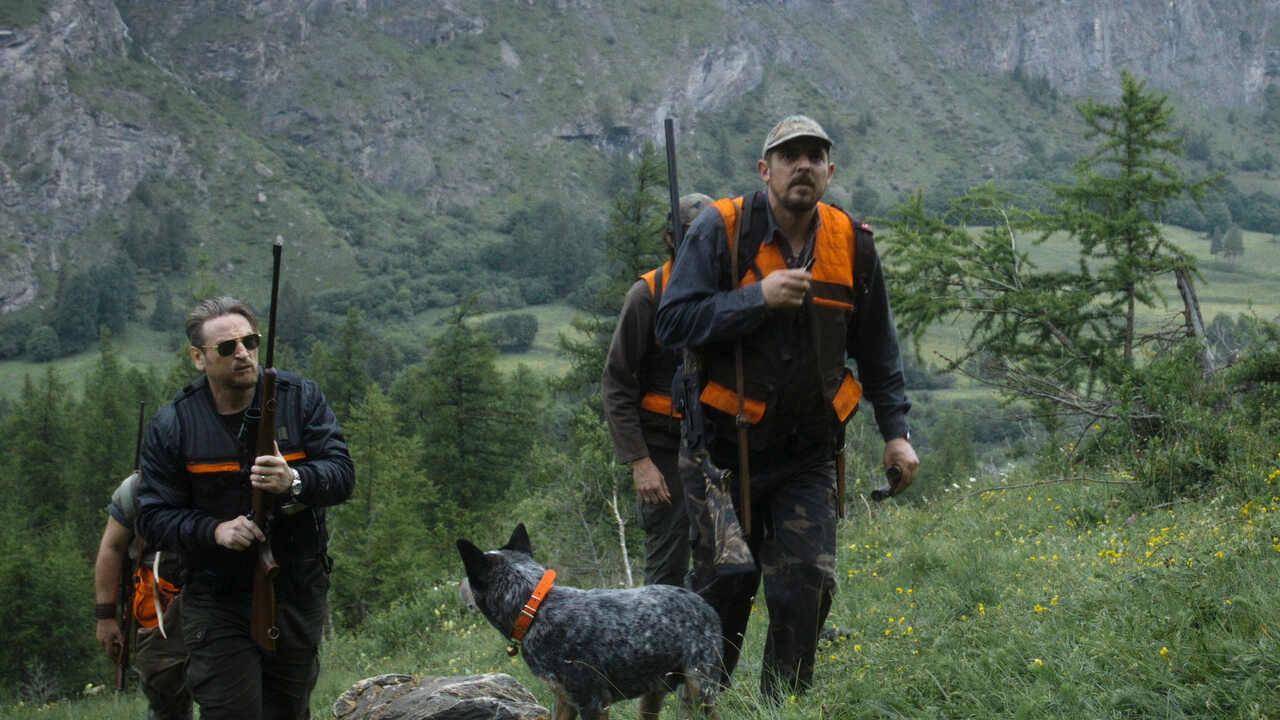
The premise of the series remains deceptively simple. Franck and his longtime friends went into the woods for what should have been a routine hunting trip. Instead, they were shot at by another group of hunters. In the chaos, they fired back, killing one of the attackers. Rather than reporting what happened, the men fled the scene and chose silence. That choice has already begun to reshape their lives, and Episode 3 makes it clear that the consequences are no longer confined to the forest. Violence is spreading outward.
“Collateral Damage” focuses heavily on that ripple effect. News of escalating hostility in the valley creates a general sense of unease. What started as a mysterious clash between two groups is now beginning to infect the broader community. People talk, rumors circulate, and fear grows. The show understands that tension in a small town rarely stays private for long, and it uses that social pressure effectively. I found the atmosphere especially convincing here. The valley feels smaller with every episode, as if the characters are slowly running out of places to hide.
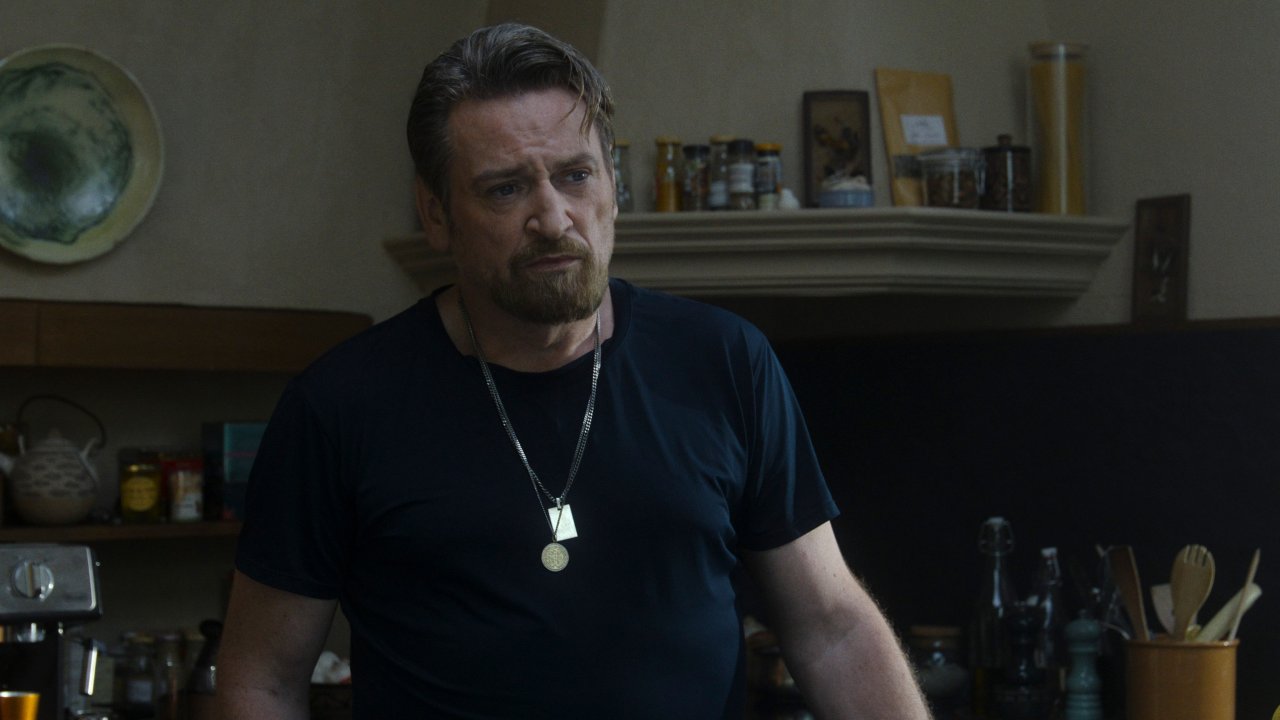
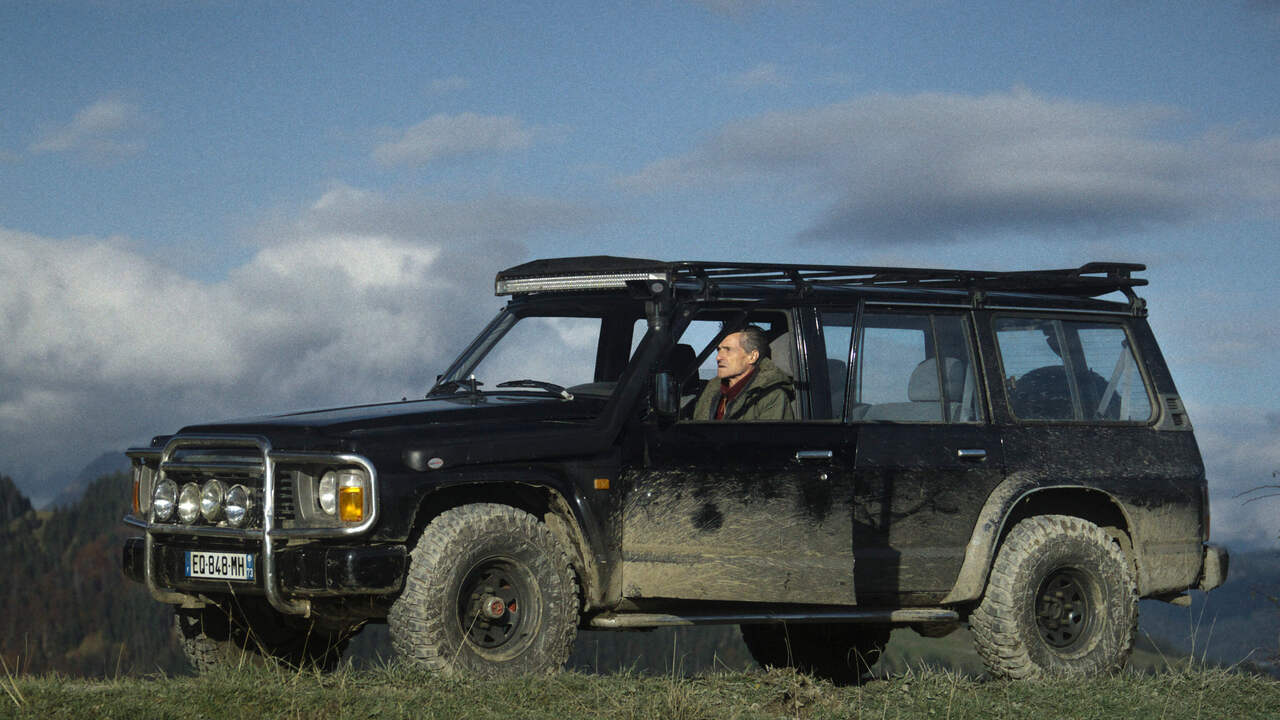
Franck remains the emotional anchor of the story, and Benoît Magimel continues to carry the role with a calm intensity that works extremely well for this kind of material. His performance has a quiet heaviness to it. Franck isn’t a man who explains himself often, and Magimel leans into that restraint. You can see the calculation behind every decision he makes. There’s always a sense that he’s trying to stay one step ahead of whatever retaliation might come next.
What makes Episode 3 particularly compelling is how it shifts attention to Franck’s family. His wife, Krystel, played by Mélanie Laurent, becomes increasingly important to the narrative. The show does not rush her reactions; instead, it allows her awareness to grow gradually as pieces of the situation begin to surface. Laurent plays these moments with intelligence and restraint. She doesn’t overplay the drama, which makes the tension between her and Franck feel grounded rather than melodramatic.
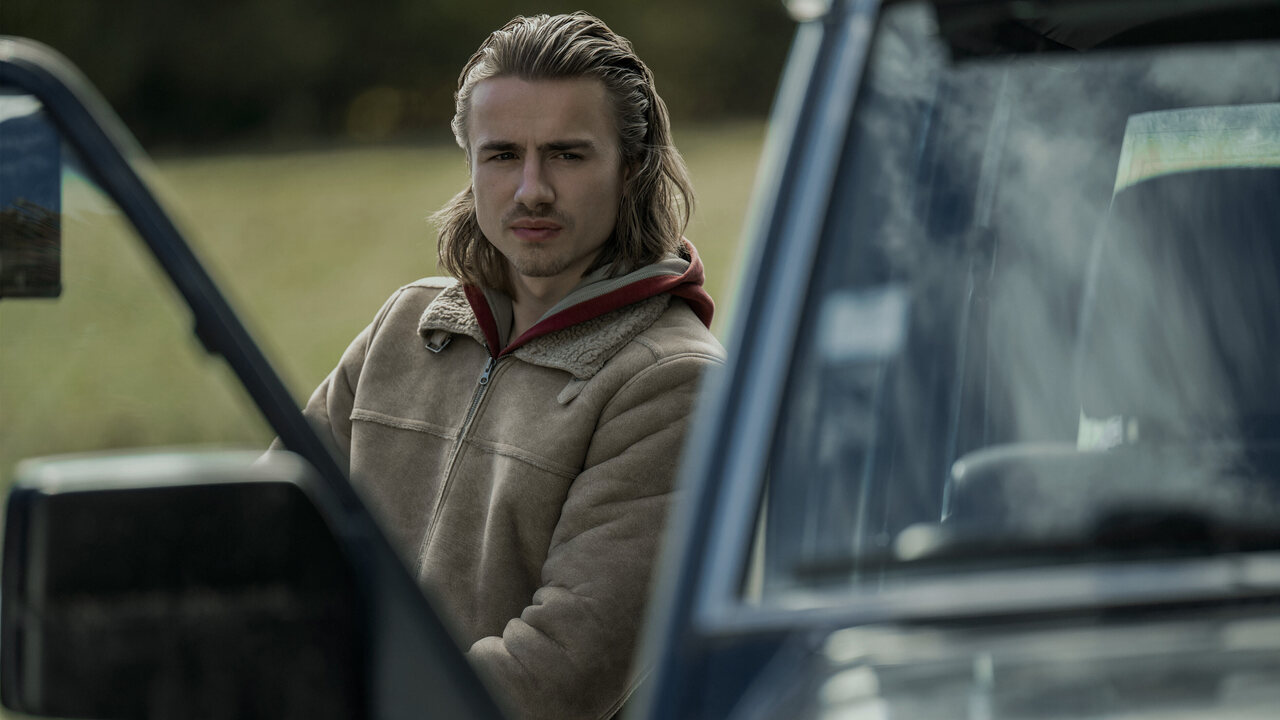
The episode also continues to explore the way the men’s secret affects their children. Teenagers and younger family members are starting to sense that something is wrong. In theory, this is a strong narrative choice because it illustrates how adult decisions inevitably affect the next generation. In practice, however, this subplot occasionally edges toward familiar territory. Crime series often rely on children stumbling into trouble to increase stakes, and “Collateral Damage” flirts with that trope a little too closely. It never becomes unbearable, but I did find myself wishing for slightly more originality in how those storylines unfold.
That said, the episode still benefits from a careful pacing strategy. The show doesn’t treat violence as spectacle. Instead, it emphasizes the anticipation of violence. Suspicion hangs over nearly every conversation. Characters speak cautiously, watch each other closely, and seem constantly aware that someone might be listening. The result is a slow-burning tension that feels appropriate for the story being told.
Visually, the series continues to look excellent. The rural setting plays a major role in the mood of the episode. The forests, roads, and scattered houses all contribute to a feeling of isolation. Even when characters are surrounded by people, the environment still feels quiet and exposed. The cinematography uses natural light effectively, which gives the show a grounded, almost documentary-like texture at times. That stylistic choice works particularly well for a story built on moral ambiguity and escalating paranoia.
I also appreciated how the script keeps the central mystery alive. We still don’t fully understand who attacked the hunters in the first place or why the confrontation happened. Instead of rushing to answer those questions, Episode 3 deepens the sense that multiple forces may be operating in the background. The uncertainty adds to the suspense because the characters themselves are guessing just as much as the audience is.
Another strength of the episode lies in how it treats retaliation as something inevitable rather than dramatic. The threat against Franck and his friends is no longer theoretical. Every sign suggests that someone is watching and waiting. The show avoids exaggerated villainy, which I find refreshing. The danger feels grounded in human motivations rather than cartoonish antagonists.
Still, the episode isn’t flawless. While the central storyline remains tight, the expanding cast occasionally makes the narrative feel slightly crowded. With more families and side characters entering the picture, the series sometimes jumps between threads a bit abruptly. None of the scenes feel unnecessary, but a few transitions could have been smoother. The show is juggling several arcs now, and the structure occasionally shows the strain.
Another minor issue is that the episode occasionally leans too heavily on atmosphere at the expense of forward momentum. The slow-burn approach works well most of the time, but there are moments where the story seems to circle around the same emotional beats without revealing much new information. It’s not a major problem, but it does make the pacing feel uneven in places.
Even with those small drawbacks, “Collateral Damage” succeeds because it reinforces the central theme of the series: secrecy multiplies consequences. What began as a single act of self-defense has become a web of lies, fear, and suspicion that now includes people who had nothing to do with the original incident. The episode understands that tension doesn’t only come from violence itself. Often, it comes from the waiting.
By the end of Episode 3, the story feels more dangerous than ever. The hunters are still trying to contain what happened in the woods, but the valley is already starting to react. The circle of people affected by that secret continues to widen, and the show is clearly preparing for a more confrontational future.
For me, that gradual expansion is what makes The Hunt (Traqués) so engaging. It isn’t simply about a shootout or revenge. It’s about the way one moment of panic can quietly dismantle entire lives. “Collateral Damage” captures that idea with confidence, strong performances, and a careful sense of escalation. Even when the episode slips into a few familiar storytelling patterns, the tension and atmosphere remain strong enough to keep the series firmly on track.
Final Score- [8/10]
Hi Everyone, after a due consideration, we have decided that we will be open for donations to help us in managing our website. We will be greatful for any kind of amount we receive. Thanks!
— Midgard Times 🎬 (@Moviesr_net) January 4, 2026
PayPal- [email protected] pic.twitter.com/DlNNz5Npm5
Get all latest content delivered to your email a few times a month.
Bringing Pop Culture News from Every Realm, Get All the Latest Movie, TV News, Reviews & Trailers
Got Any questions? Drop an email to [email protected]
 © Copyrights MOVIESR.NET All rights reserved