

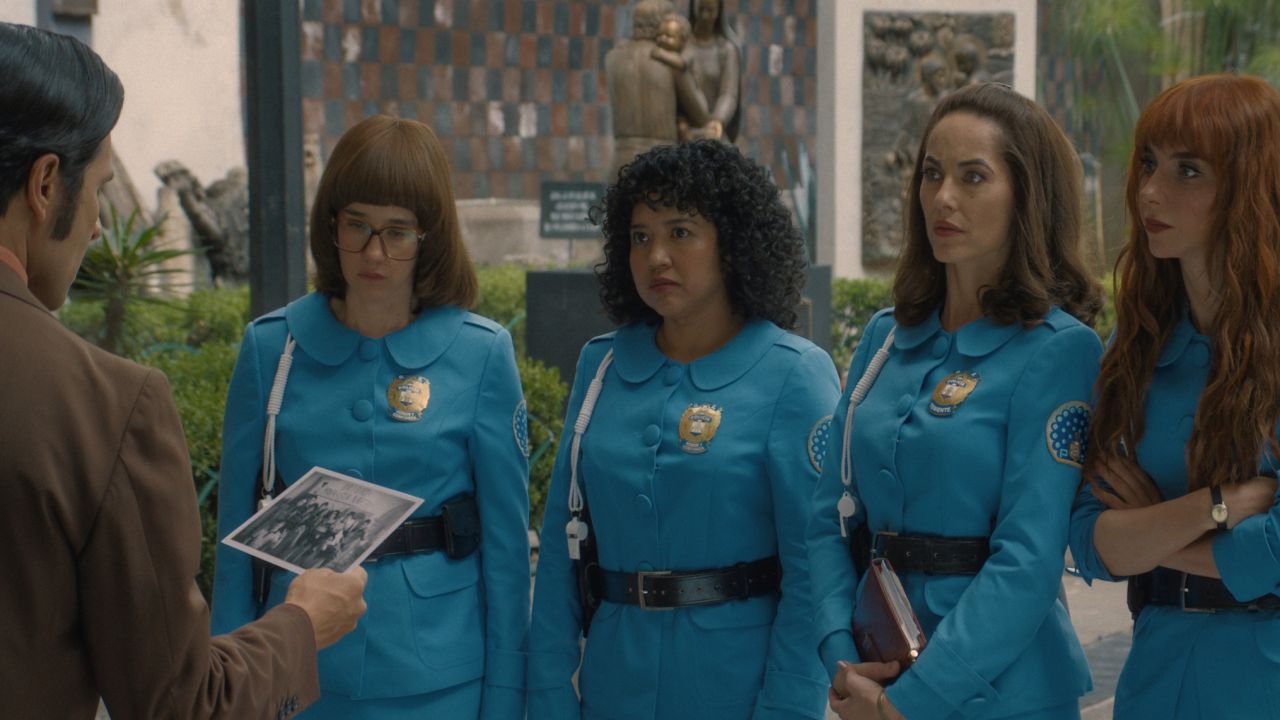
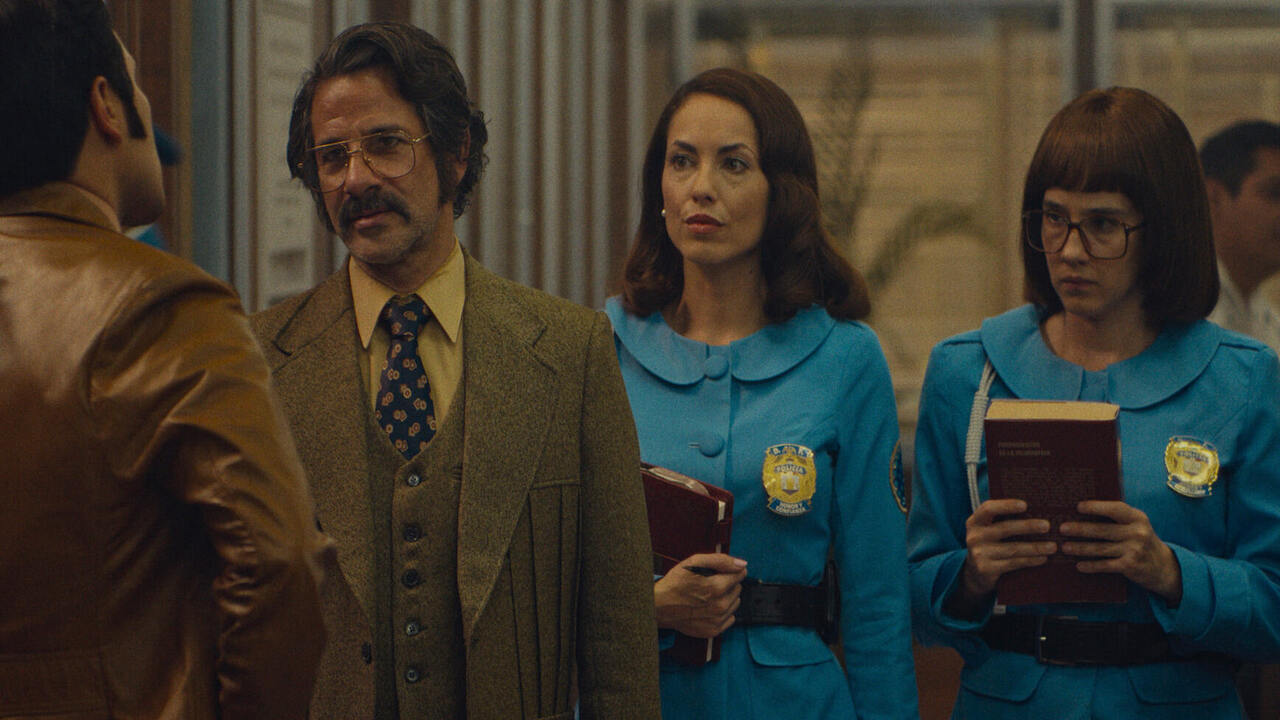
Women in Blue settles into its second-season rhythm nicely with its second episode, which feels less like a reset after the first season and more like a deliberate expansion of what the series can do. The women are no longer complete outsiders trying to establish that they belong in the police force. They have experience now; they have a history with one another, and María's promotion gives the group a slightly different relationship with the institution around them. The result is a more confident episode that doesn't need to spend quite as much time proving its premise.
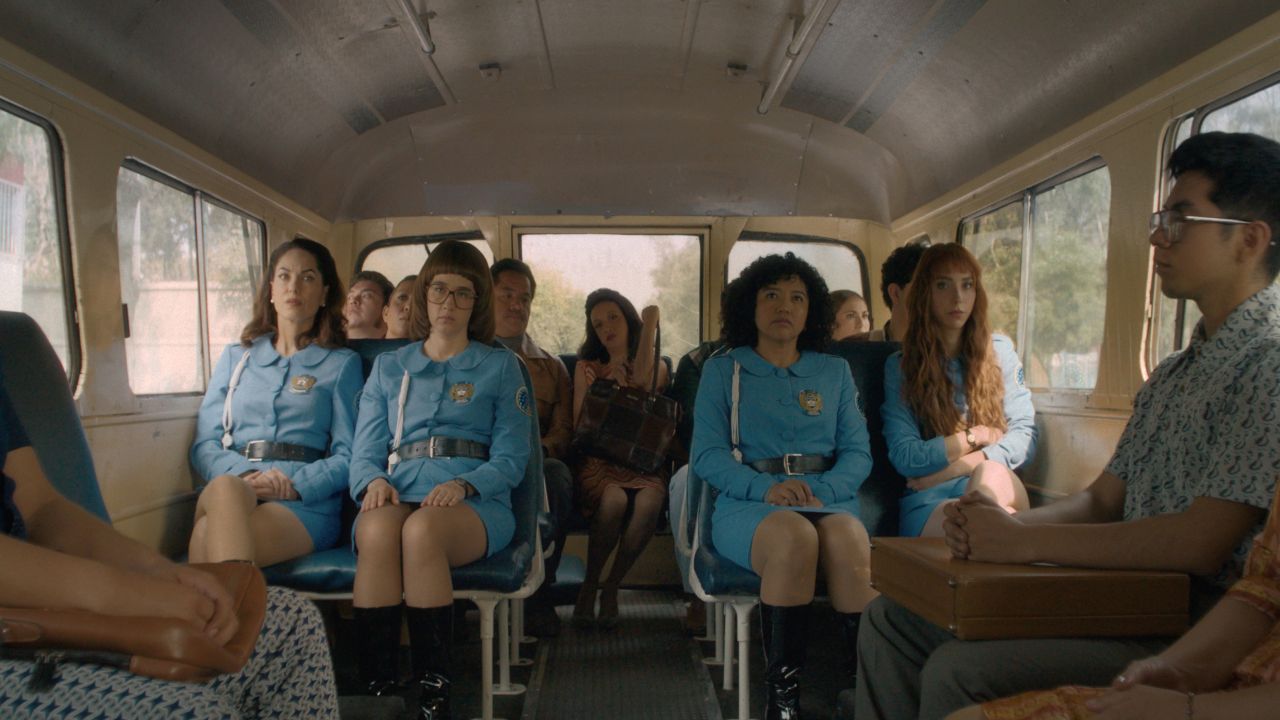
What continues to work best is the ensemble. Bárbara Mori, Natalia Téllez, Ximena Sariñana and Amorita Rasgado have settled comfortably into the dynamics between María, Valentina, Ángeles and Gabina, and the differences between the four characters remain more interesting than their similarities. They don't approach police work, authority, or even each other in exactly the same way, which prevents the group from becoming a generic "women supporting women" unit. Their friendship has disagreements and frustrations built into it, making their solidarity feel earned rather than automatic.
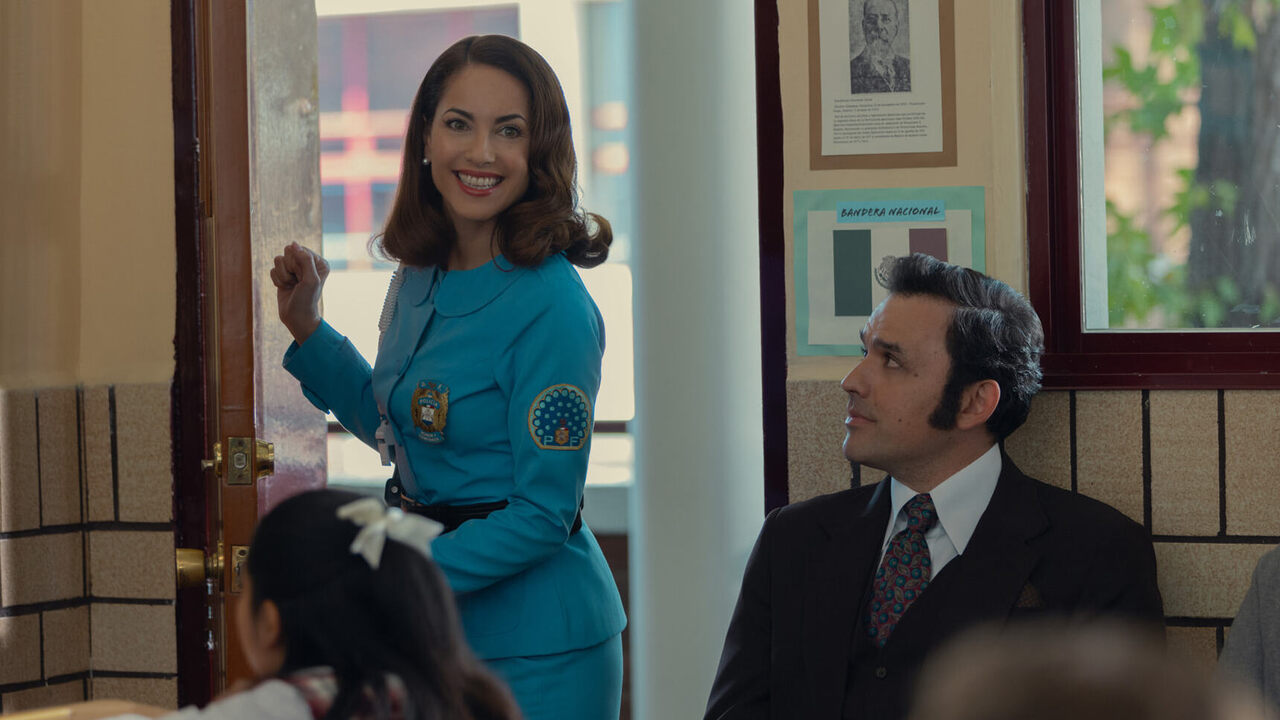
The episode also benefits from the fact that María is now operating with greater responsibility. Her promotion doesn't magically make her more powerful; if anything, it puts her in a more complicated position. She has to navigate the institution's expectations while continuing to question how the institution operates. That tension gives Mori more to work with than the straightforward determination of the first season, and the character is increasingly interesting when she has to decide whether following procedure and doing what she believes is right are actually the same thing.
The darker investigative direction is another welcome development. Season 1 balanced the women's fight against sexism with the serial-killer mystery, sometimes awkwardly. The second season appears more comfortable connecting the crime story to the larger political and institutional environment of 1970s Mexico. The investigation now carries a sense that there are forces and histories considerably bigger than the four women, and that makes their position more precarious. The murder mystery isn't simply something for them to solve; it becomes another way of exposing how power operates around them.
That also makes the show's feminist perspective more effective. Women in Blue is at its best when it doesn't treat sexism as a collection of individual men making obnoxious comments. The more interesting problem is structural: who gets believed, who gets authority, whose instincts are dismissed, and what happens when someone inside the institution starts asking questions that are inconvenient for the people above her.
The period setting continues to do a lot of work here. The series has a strong visual identity, and the 1970s Mexican setting gives the story a specificity that helps distinguish it from a contemporary police procedural dressed in vintage clothes. The social expectations surrounding the women aren't merely background decoration; they shape what the characters can do and how seriously they are taken.
That said, the episode isn't without some of the show's familiar weaknesses. Women in Blue can still be a little too obvious when it wants to make a point, and there are moments when the dialogue explains an idea that the characters' circumstances have already communicated perfectly well. The tonal shifts between crime thriller, historical drama and interpersonal comedy can also feel slightly uneven. The show hasn't completely solved the balancing act that made parts of the first season feel inconsistent. But it is becoming increasingly easy to overlook those flaws because the characters themselves are carrying more weight.
There is a noticeable difference between watching these four women at the beginning of their careers and watching them now. They are still navigating a deeply unequal institution, but they aren't naïve about it anymore. They know where the resistance is likely to come from. They know which colleagues they can trust. They know that doing good police work doesn't necessarily mean being rewarded for it. And that makes the second season feel more mature without making the characters feel artificially hardened.
The biggest strength of Episode 2 is therefore its confidence. It doesn't need to remind us that these women are pioneers constantly. It lets them investigate, disagree, make mistakes and push against the limits of their authority. The mystery is becoming more politically charged, but the human relationships remain the reason to keep watching.
Women in Blue S2 E2 is a solid continuation that builds on the first episode without trying to overwhelm it with exposition or spectacle. The four leads remain the show's strongest asset, while María's new position and the increasingly complicated investigation give the season a more mature sense of direction. The writing can still be somewhat heavy-handed, and the show's mixture of historical drama, police thriller and lighter character moments isn't always perfectly balanced, but the characters now feel sufficiently established for the series to spend less time introducing them and more time testing them. The women aren't just trying to prove they belong anymore. Now they're finding out what belonging actually costs.
Final Score - [8/10]

Hi Everyone, after a due consideration, we have decided that we will be open for donations to help us in managing our website. We will be greatful for any kind of amount we receive. Thanks!
— Midgard Times 🎬 (@Moviesr_net) January 4, 2026
PayPal- [email protected] pic.twitter.com/DlNNz5Npm5
Get all latest content delivered to your email a few times a month.
Bringing Pop Culture News from Every Realm, Get All the Latest Movie, TV News, Reviews & Trailers
Got Any questions? Drop an email to [email protected]



 © Copyrights MOVIESR.NET All rights reserved