

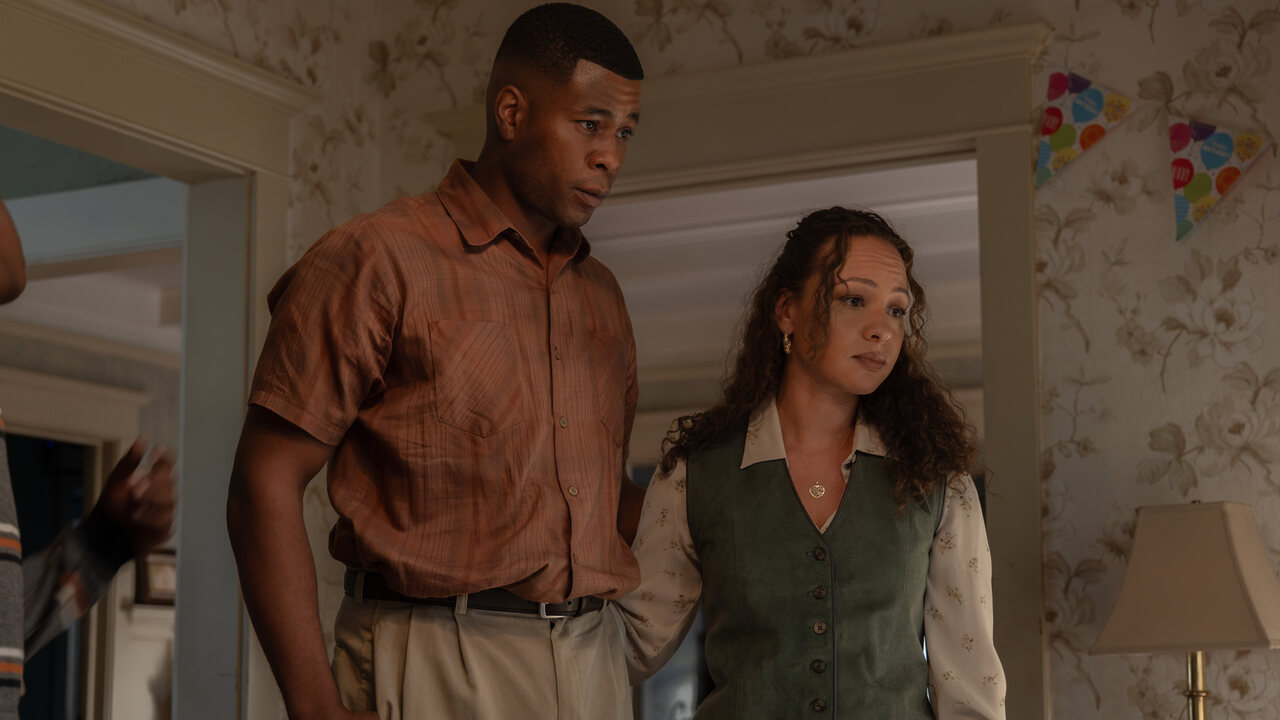
What do you fear the most when heading to a job interview? Is it the idea that you won't be hired for the role? Or that you'll forget to take an important document with you, making you look like an irresponsible adult and leaving you embarrassed? Do you obsess over putting your best foot forward to such an extent that you're frightened by the thought of the interviewer looking down on your appearance and your answers? Or do you fret over trying not to be so casual that the recruiter sees you as bored, vacant, or disinterested? How about this: the interviewer asks you to sit down, excuses themselves by saying they'll return in a few minutes, and then doesn't come back for almost 24 hours? Are you aware of those "ask her out, what's the worst she can do?" memes? Well, how about "go for your dream job interview; what's the worst that can happen?" scenarios?
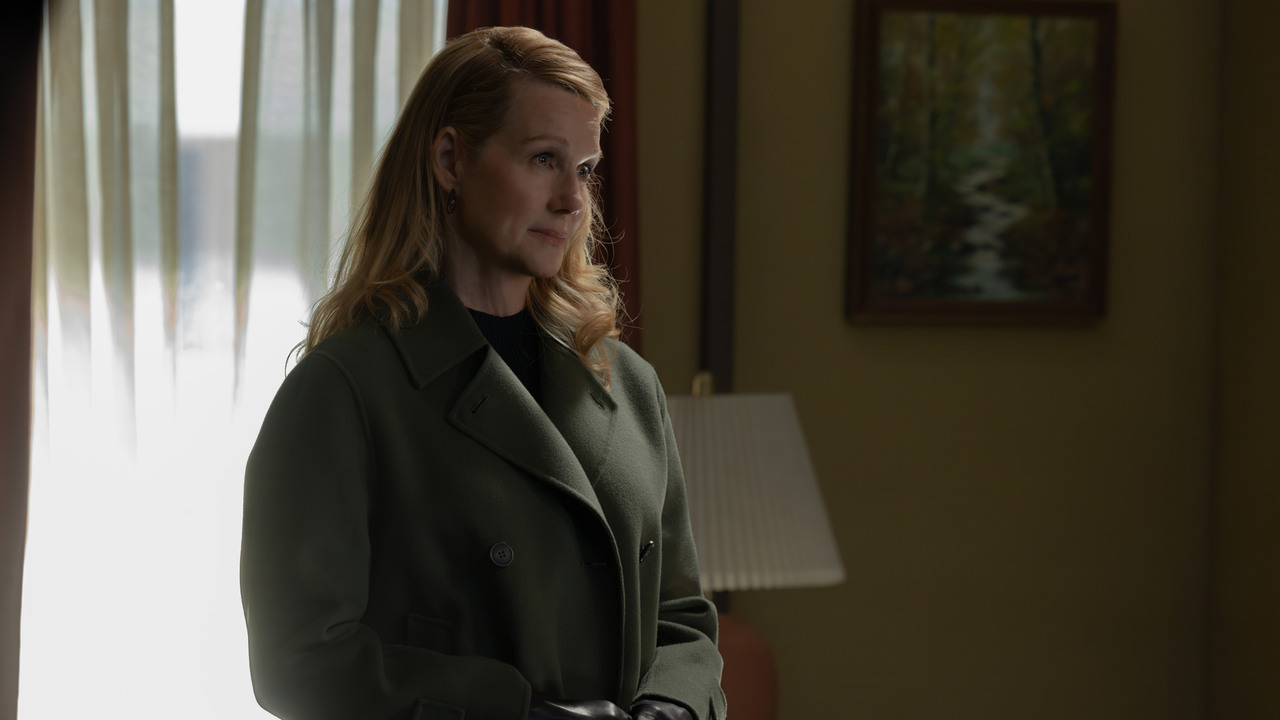
Ask John, who goes through exactly what I described above. In 2016, he knocks on Lianna's door (she is a member of the Guardians of the Universe) and has to sit idly for 24 hours before the interview even begins. Any ordinary mortal might be consumed by insecure, fearful thoughts (Am I so bad that they don't even want to be in the same room as me, let alone ask me some basic questions?), but John is no ordinary mortal. He is fearless, thanks to his strict upbringing by his parents, Bernadette and John Sr. Bernadette, especially, pushes young John to be brave, highly disciplined, and confident. She wants him to be a man of steel—tough both inside and out. The reason? Lianna met Bernadette in the past, and the former suggested that John (then a toddler) might have the potential to become a Green Lantern in the future. Lianna promises to give John a fair shot, and for Black parents who face constant racism in America, the prospect of seeing a Black man like John in a position of great power does seem exciting to his dear mother.
And so John is thoroughly conditioned to be a strong, resilient guy from the age of five, which means no lollygagging, no playing with friends in the evening, and no dreaming of alternate career paths. John likes to sketch whenever he gets free time, and he is good enough to pursue a career in the arts. But those talents take a back seat, as not only Mommy and Daddy but the universe itself have already decided John's path. Did John, especially as a teenager, ever find this militaristic routine too stifling? Did he look out of the window in envy of other kids playing football together while he was being trained to shoot apples off his parents' heads? Initially, there are clues suggesting that John's brothers were jealous of him receiving special treatment, but Lanterns doesn't build on this notion to unleash fierce conflict or sharp familial drama. When Bernadette attempts to contact the Guardians only to be met with dead silence, she makes up a story that the Guardians are observing John's routine in the form of birds, just so she can reassure both her son and herself that their efforts aren't being wasted in the service of an imaginary overlord.
The subtext that spills out of this is one involving religion: a man praying to a god who doesn't talk back to him, no matter how dire the situation. John's hard work, his parents' determination, and the eventual reward thus become a motivational lesson about doing your work with both dedication and prayer because the supreme being does keep an eye on you and bestows success upon you at the right moment. Lanterns Episode 3 might as well be a sermon delivered by a priest at church to the faithful. It's just that this sermon is half-baked and lacking in feverish passion.
The uneasiness inherent in watching a child being forced to walk down a predetermined path is neutered by a mainstream superhero-movie template that refuses to examine this journey through a microscopic psychological lens—one that might reveal all the strains and complaints left unspoken. Instead, the show places a safety net underneath them, teasing those strains and complaints just enough to acknowledge their existence without allowing them to become even remotely uncomfortable. A young John is ordered to get out of the car and walk back home at night while passing drunk and possibly dangerous strangers. When he reaches the house, he lies on the bed and sobs in silence, burying his face in the pillow so as not to expose his weakness through loud cries.
It's a sad sight, one that Lanterns refuses to linger on for more than a few seconds. It's more interested in dispensing its potent ideas through insubstantial winks and nudges than in infusing them with a keen, subjective lens. Episode 3, titled "OutKast," should really have been a feature-length drama directed by an original filmmaker because, in its current form, it's tragically truncated in both substance and length.
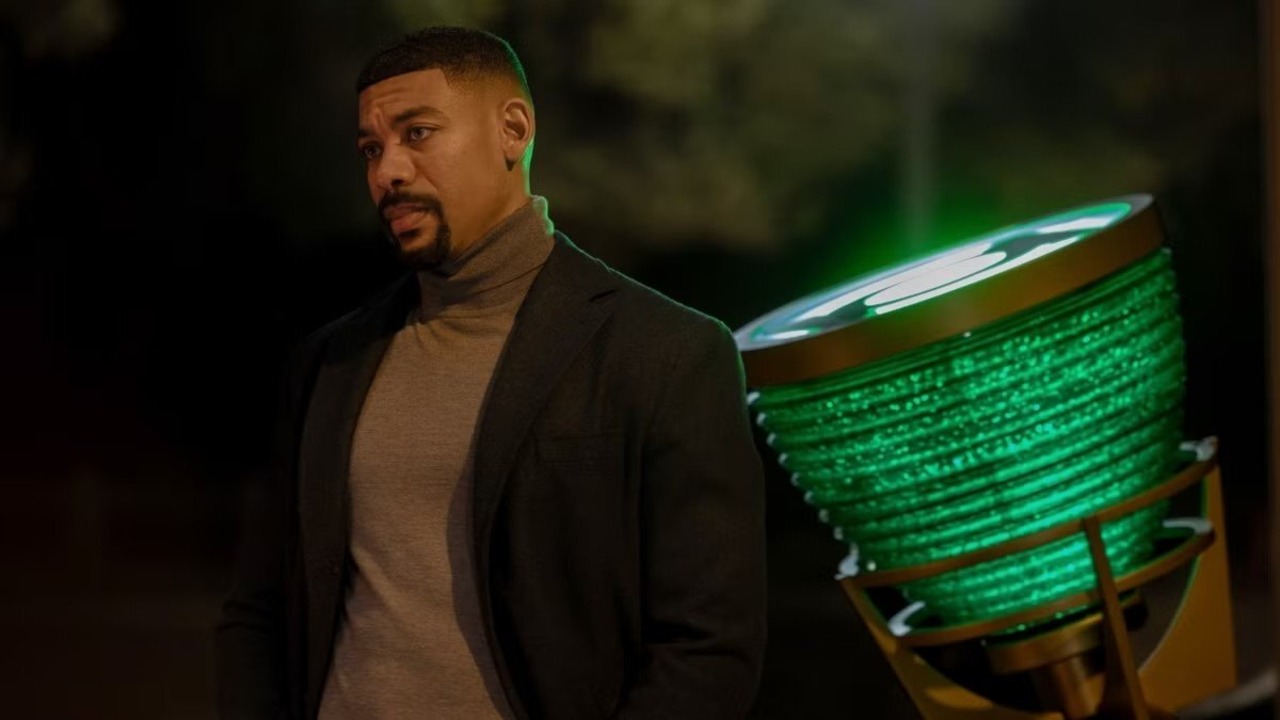
The style, too, is impersonal. It fails to offer basic pleasures, like the thrill of watching John jump from a plane during stormy weather. The scene is choppily edited and so dark that everything is almost incomprehensible. John spends almost nine months in the wild waiting for his target, though the toils he faces are merely discussed in a line or two, while the actual experience is conveyed through a few brief, clean images. We don't see John hunting for food, fending off mosquitoes, or struggling to find a place for his, um, morning business. Instead, the sequence relies largely on Aaron Pierre's physical expressions.
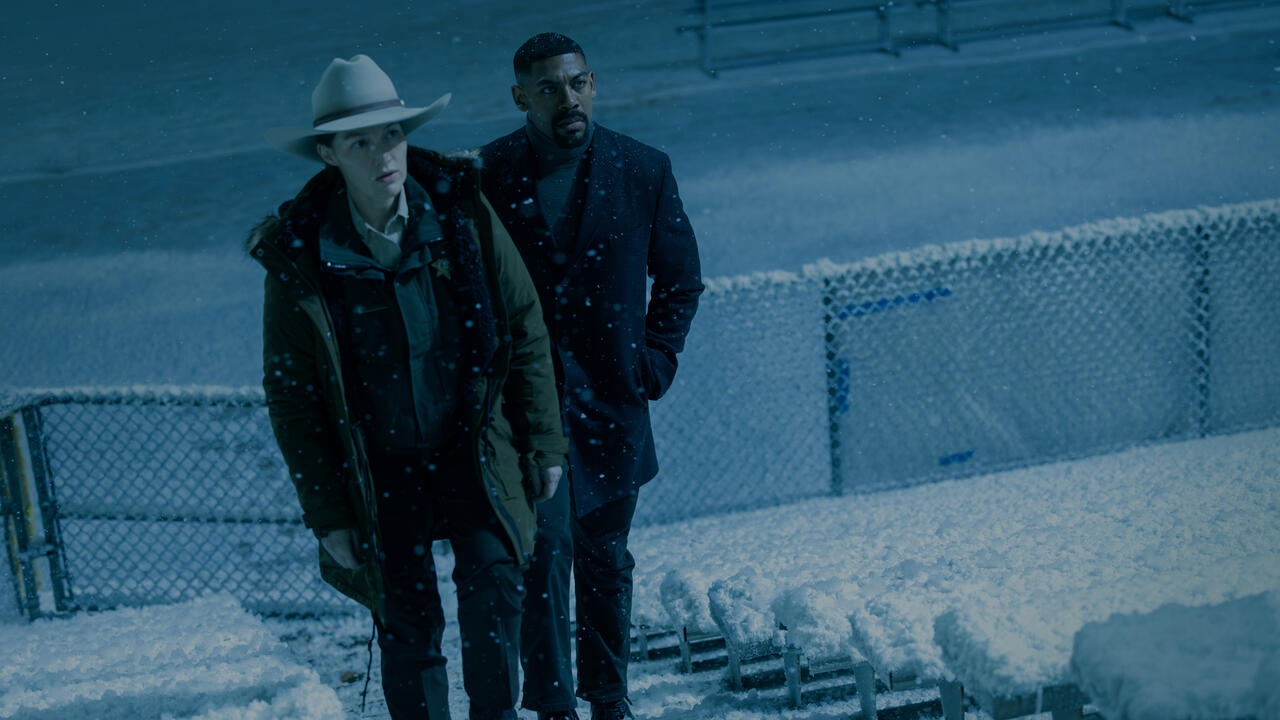
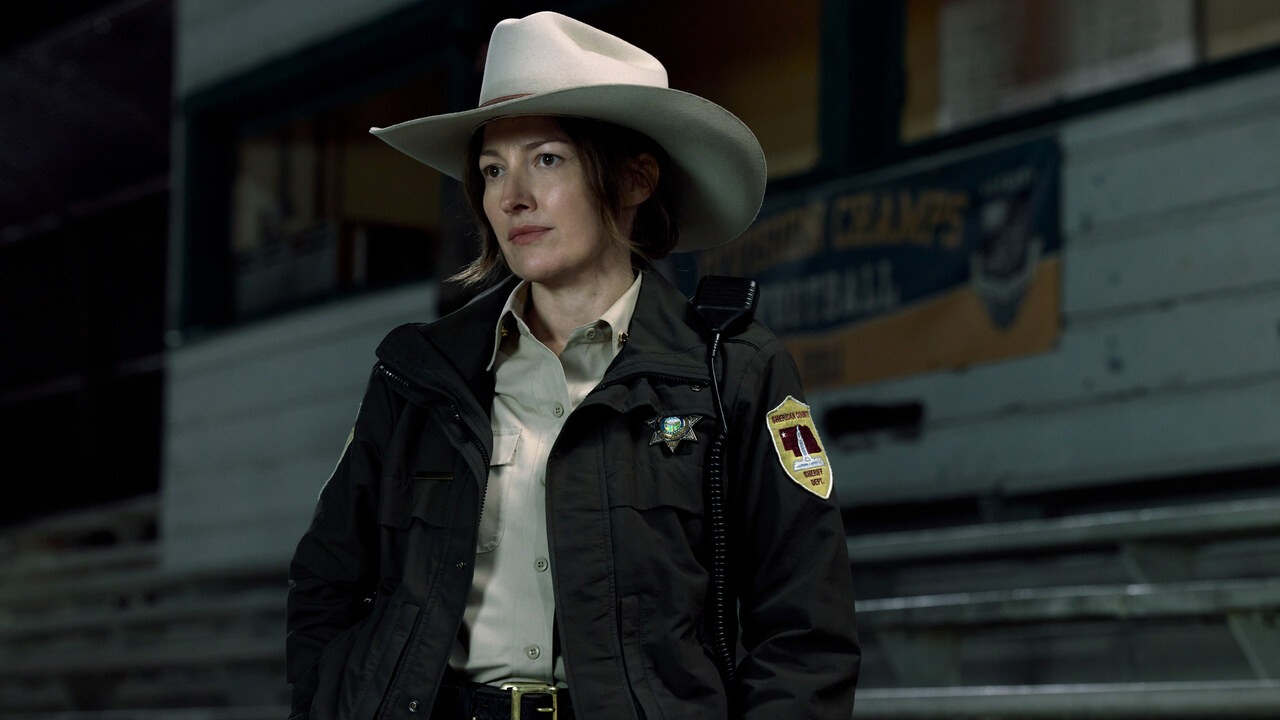
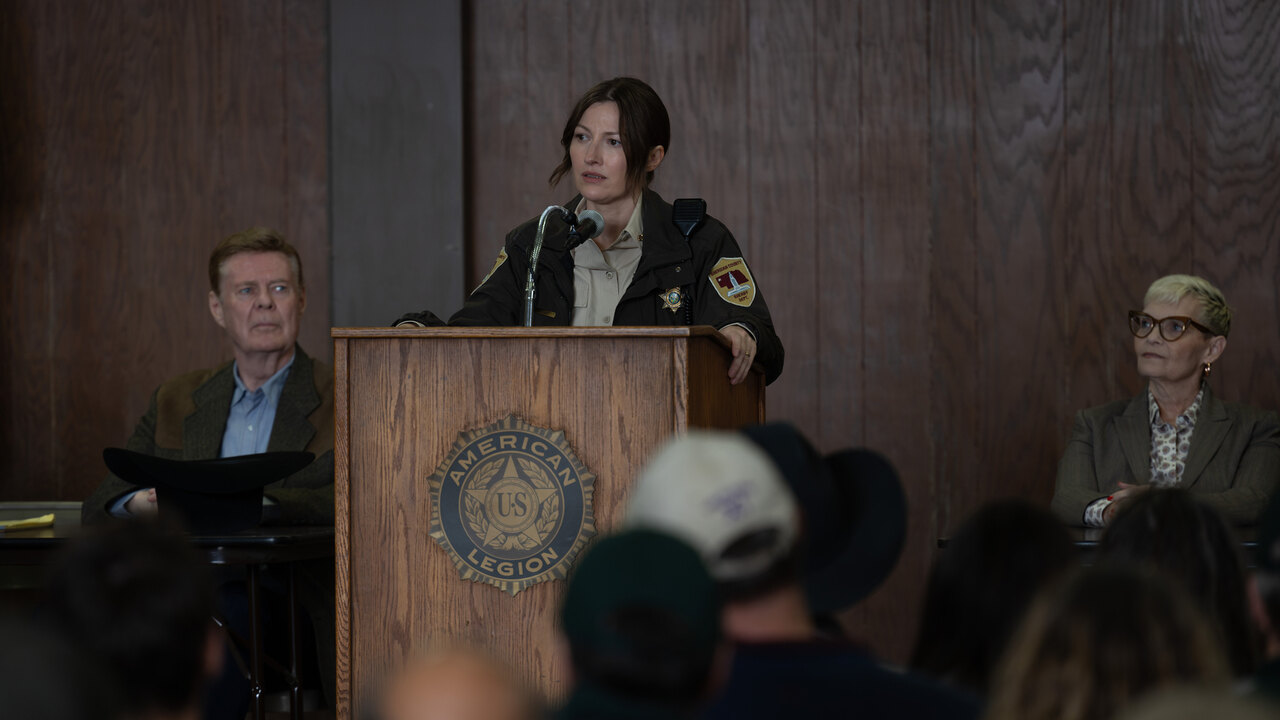
OutKast is certainly a huge leap forward in terms of John's overall characterization, but that leap is rendered just okayish, and its power is felt only on a theoretical level because of bland filmmaking and undeveloped substance. The episode ultimately wastes its potential, and it doesn't even feature Kelly Macdonald to distract you from its failures. Now that's a situation worth crying loudly over without burying your head in the pillow. Where is Macdonald when you need her? Quick, bring her back. I am already missing her.
Final Score - [5/10]
Hi Everyone, after a due consideration, we have decided that we will be open for donations to help us in managing our website. We will be greatful for any kind of amount we receive. Thanks!
— Midgard Times 🎬 (@Moviesr_net) January 4, 2026
PayPal- [email protected] pic.twitter.com/DlNNz5Npm5
Get all latest content delivered to your email a few times a month.
Bringing Pop Culture News from Every Realm, Get All the Latest Movie, TV News, Reviews & Trailers
Got Any questions? Drop an email to [email protected]

 © Copyrights MOVIESR.NET All rights reserved