

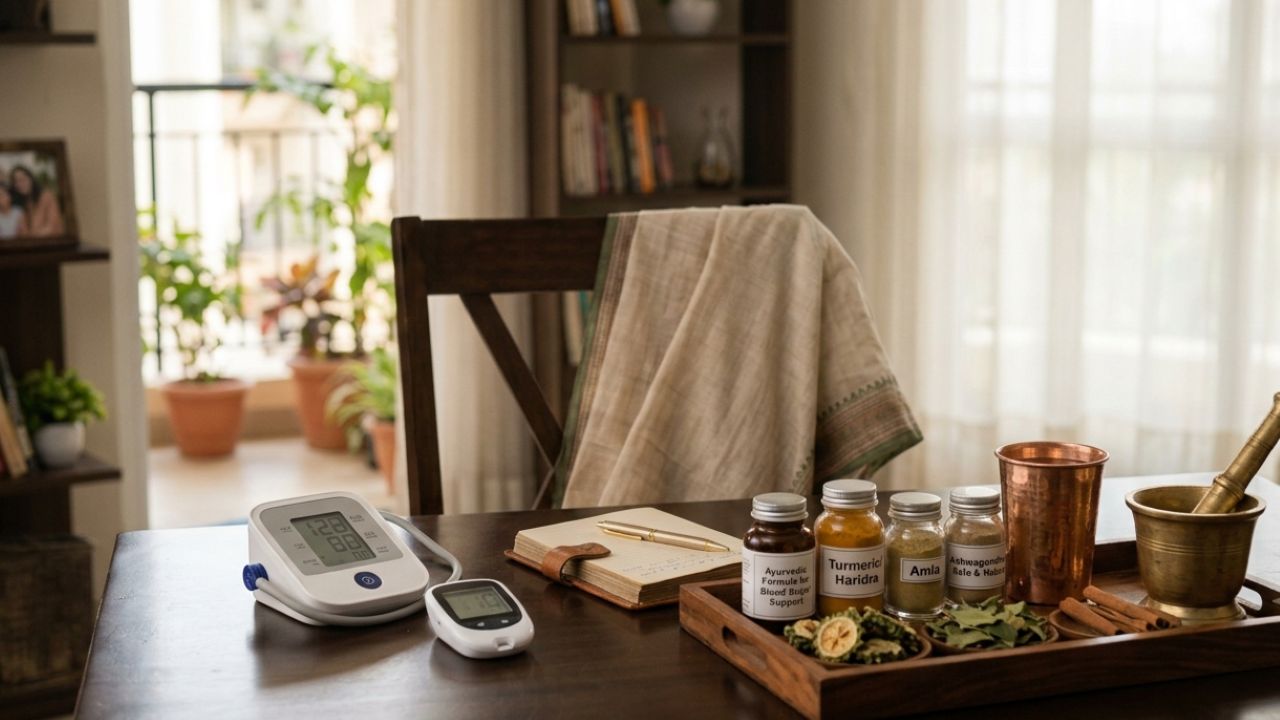
If you are living with diabetes or high blood pressure, daily life can start to feel like a careful balancing act. Meals, tablets, energy levels, stress, sleep, and routine all seem connected, and one small change can affect the rest. Many people in this situation begin searching for natural ways to support their body alongside modern care, which is often how the topic of Livital with diabetes and BP medicines comes up in everyday conversations, forums, and clinic waiting rooms. The interest is not about replacing treatment, but about supporting the system as a whole.
Ayurveda approaches health from a long-term, lifestyle-centered angle. Instead of chasing numbers alone, it looks at digestion, daily rhythm, mental state, and how the body reacts to stress over time. This perspective can feel reassuring, especially for people who are already doing “everything right” yet still feel tired, heavy, or slightly off most days.
At its core, this topic is about compatibility and support. People want to know whether Ayurvedic supplements, tonics, or routines can safely fit into life when diabetes and blood pressure are already being managed medically. The real question is not magic cures, but balance. Ayurveda does not talk in terms of sugar readings or systolic numbers first, it talks about digestion, tissue nourishment, circulation, and nervous system stability.
From a practical point of view, this means choosing gentle herbs, food habits, and daily routines that do not interfere with ongoing treatment. The goal is to reduce internal strain so the body handles long-term conditions with less friction. It sounds simple, but consistency matters more than intensity here.
Most people search for this because they feel stuck in the middle. Medicines may control reports, but energy stays low. Weight refuses to move. Sleep becomes shallow. Or stress spikes easily. Many also worry about long-term dependency on multiple pills and look for supportive approaches that feel natural and sustainable. Ayurveda appears in searches because it promises structure, not shortcuts, and that idea resonates with people managing chronic issues for years.
Ayurveda explains diabetes-like conditions under concepts related to impaired metabolism and weakened digestive fire, often linked with kapha imbalance. High blood pressure patterns are commonly associated with vata disturbance, stress load, and sometimes pitta involvement. These are not labels but patterns, and most people show a mix rather than one type only.
The focus stays on agni, the digestive and metabolic capacity. When digestion is dull or irregular, tissues are poorly nourished, and waste builds up quietly. Over time, this stresses circulation and hormonal balance. Ayurveda works gently here, supporting digestion first, then tissues, then the mind-body connection. It is slower than pills, yes, but also deeper in a way.
In real life, people often notice bloating after meals, afternoon fatigue, sweet cravings late at night, restless sleep, or a heavy feeling in the chest under stress. Some feel mentally foggy even when reports look “controlled.” Ayurveda sees these as signs that daily rhythm and digestion need support, not punishment. Small changes, done daily, can sometimes bring surprising relief over weeks, not days.
A steady routine is one of Ayurveda’s strongest tools. Waking up and sleeping at roughly the same time daily helps stabilize hormones and nervous system responses. Drinking warm water in the morning supports digestion, even if it feels too basic to matter. Gentle movement like walking or slow stretching after meals can help circulation without stressing the heart.
Breathing practices, especially slow nasal breathing for a few minutes twice a day, are often underestimated. They calm vata, lower perceived stress, and support blood pressure regulation naturally. Skipping routines on busy days is common, but those are actually the days they matter most.
Ayurveda generally favors warm, freshly cooked meals over cold or processed foods. Bitter and astringent tastes, from vegetables like gourds and leafy greens, are traditionally supportive for metabolic balance. Eating at regular times matters more than eating “perfect” foods. Late-night heavy meals are a frequent issue and quietly strain both sugar balance and BP.
Lifestyle-wise, reducing constant stimulation is important. Too much screen time, late nights, and multitasking keep the nervous system on edge. Even small digital breaks can improve sleep and digestion. This part sounds boring, but boring habits are often the most healing.
One common mistake is combining multiple strong herbal products at once, hoping for faster results. Ayurveda is not about stacking remedies. Another mistake is stopping prescribed medicines abruptly after feeling slightly better, which can be risky. Also, many people ignore stress completely, focusing only on food, while stress is often the hidden trigger behind fluctuations. Balance is not built in extremes.
Ayurvedic support should always be viewed as complementary, not competitive. If you experience symptoms like dizziness, sudden weakness, chest discomfort, very low readings, or unusual fatigue, medical review is essential. Herbs and supplements can interact subtly, so professional guidance matters, especially if multiple conditions are present.
Pregnant individuals, elderly patients, or those with kidney or heart complications should be extra cautious. Ayurveda works best when practitioners are informed about ongoing treatments, not kept in the dark. Transparency keeps things safe, even if it feels awkward at first. There is no shame in using both systems together, honestly.
Managing long-term conditions is not about finding one perfect solution; it is about building a life that feels sustainable. Ayurveda offers simple tools, daily structure, and a way to listen to the body more closely. When used wisely, it can support digestion, stress balance, and overall resilience alongside modern care. Start small, stay consistent, and notice how your body responds over time. If this perspective helped, share it with someone who might need it and explore more gentle, grounded ways to support your health journey.
Can Ayurveda replace my diabetes or BP medicines?
No. Ayurveda is best used as supportive care alongside medical treatment, not as a replacement.
Is it safe to use Ayurvedic supplements long-term?
Some are gentle, but long-term use should be guided by a qualified practitioner to avoid imbalances.
How long does Ayurveda take to show results?
Usually weeks to months. It works gradually, focusing on root patterns, not quick fixes.
Do I need to follow a strict diet to benefit?
Not strict, but regular meals, warm foods, and reduced late-night eating help a lot.
Can stress really affect blood sugar and pressure that much?
Yes. Stress has a direct impact on hormones and circulation, often more than people realize.
Is Ayurveda suitable for older adults?
Often yes, but approaches should be gentler and personalized based on strength and digestion.
Should I tell my doctor about Ayurvedic practices?
Absolutely. Open communication helps avoid interactions and keeps your care coordinated.





Hi Everyone, after a due consideration, we have decided that we will be open for donations to help us in managing our website. We will be greatful for any kind of amount we receive. Thanks!
— Midgard Times 🎬 (@Moviesr_net) January 4, 2026
PayPal- [email protected] pic.twitter.com/DlNNz5Npm5
Get all latest content delivered to your email a few times a month.
Bringing Pop Culture News from Every Realm, Get All the Latest Movie, TV News, Reviews & Trailers
Got Any questions? Drop an email to [email protected]



 © Copyrights MOVIESR.NET All rights reserved