

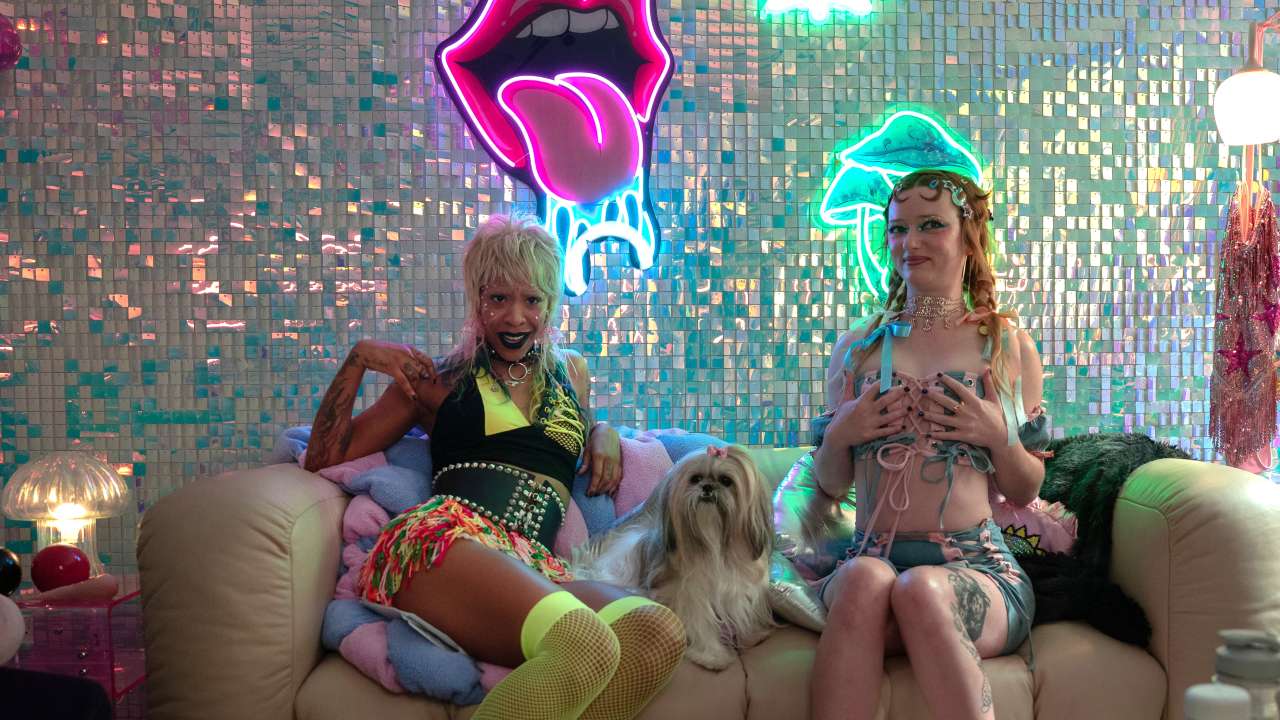
I went into Margo’s Got Money Troubles expecting something provocative and buzzy, the kind of show people summarize in one sentence and then argue about online. What I didn’t expect was how grounded, observant, and emotionally precise it would feel once it settles into its rhythm. This is a series that understands its premise is inherently attention-grabbing, but it refuses to rely on that alone. Instead, it builds a character study that is messy in a very human way, often uncomfortable, frequently funny, and occasionally moving in ways that catch you off guard.
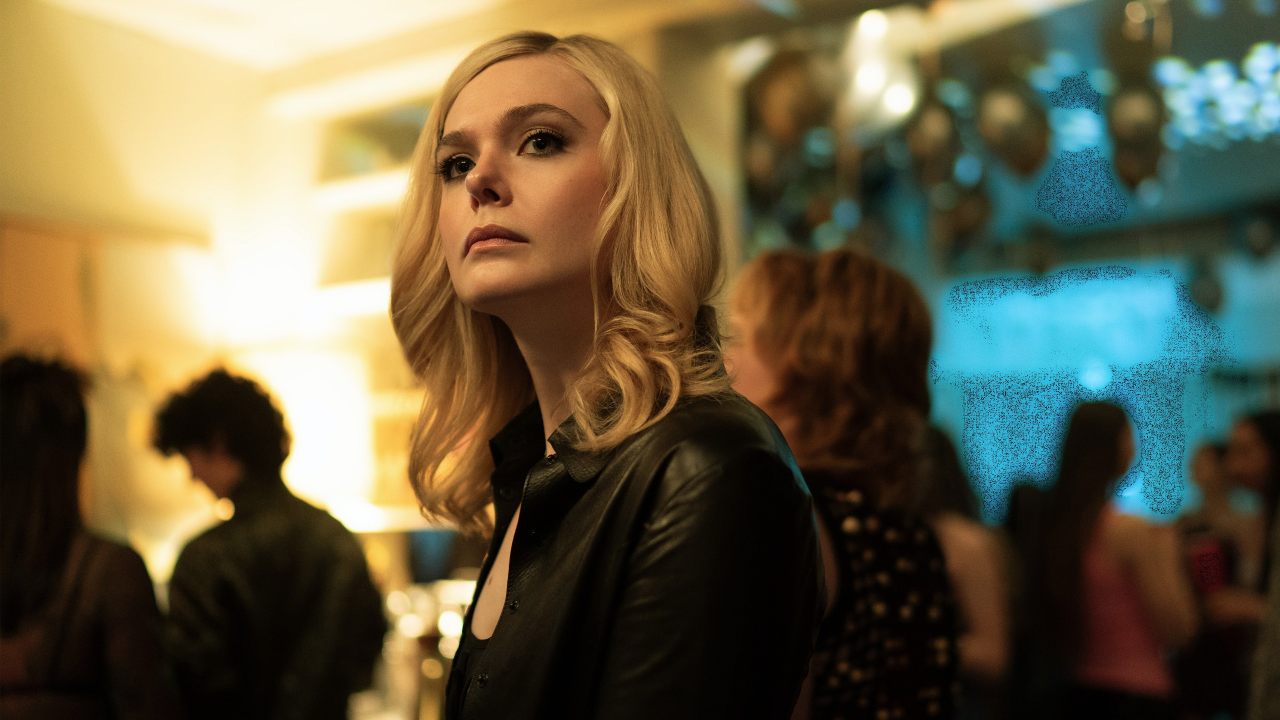
At the center is Margo, played by Elle Fanning, who gives one of those performances that feels carefully constructed but never artificial. She plays Margo as someone who is not especially extraordinary, which is exactly why she works. She’s impulsive, inconsistent, sometimes frustrating, but always believable. The show begins with her as a college student involved in an affair with a married professor, a dynamic that is presented without sensationalism but with clear emotional consequences. When she becomes pregnant and decides to keep the baby, the series shifts from campus drama into something more domestic and survival-driven, and that transition is handled with impressive control.
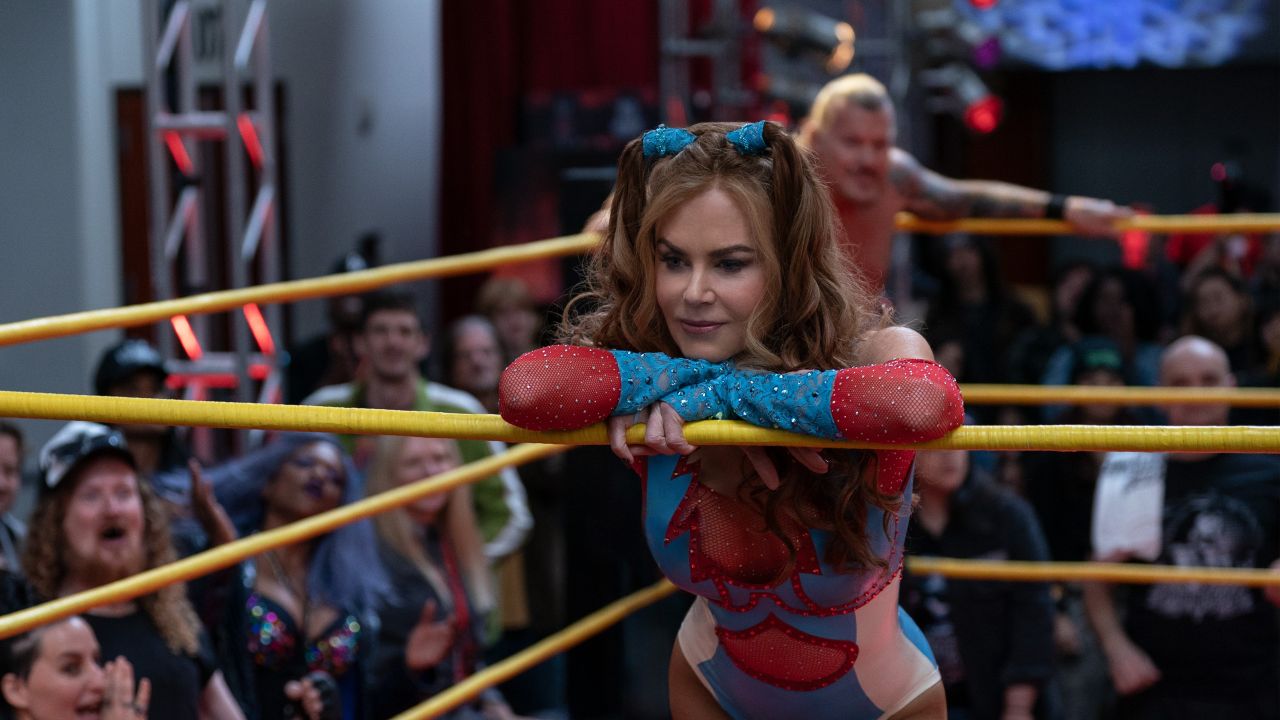
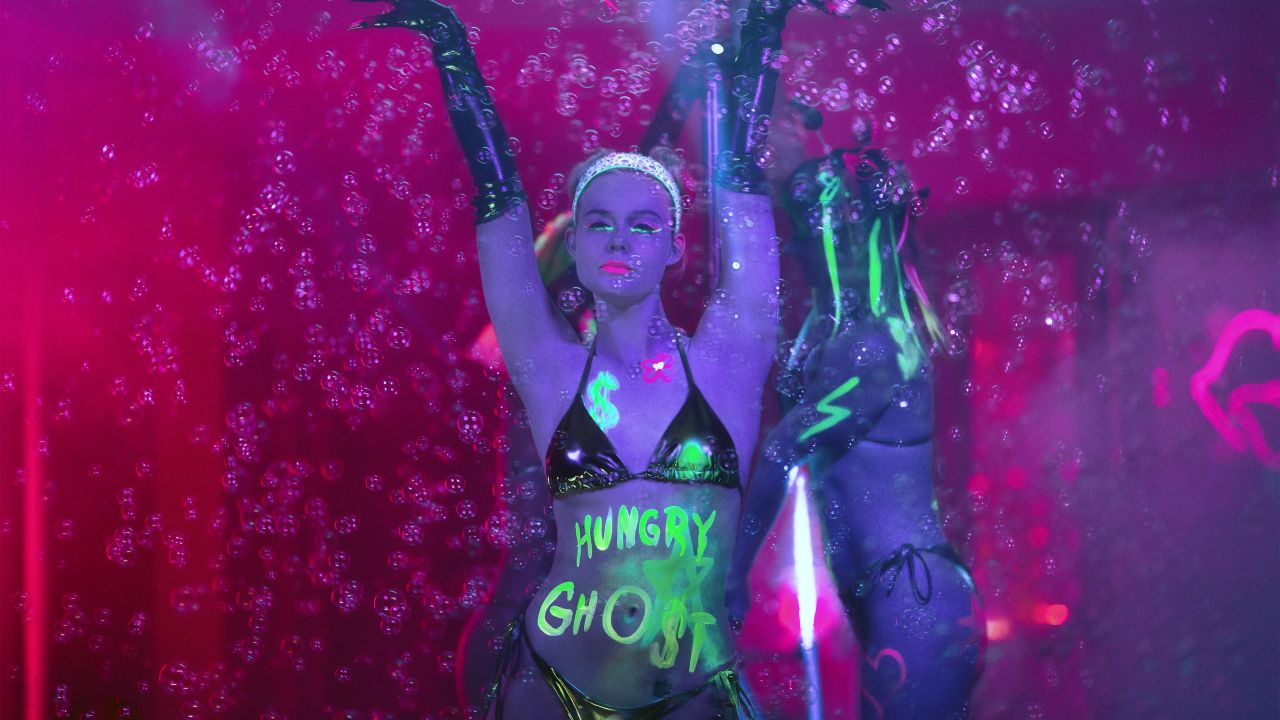
What stands out early is how the show frames financial instability. It doesn’t treat money as an abstract stressor; it’s constant, practical, and intrusive. Rent, childcare, groceries, everything has weight. That grounding makes Margo’s eventual decision to start an OnlyFans account feel less like a plot twist and more like a logical extension of her situation. The show doesn’t glamorize the platform, but it also avoids moral panic. Instead, it focuses on the mechanics: how she builds a persona, how she markets herself, and how her father’s background in professional wrestling unexpectedly shapes her approach. That detail is one of the show’s smartest ideas, and it adds a layer of commentary on identity and labor without ever becoming heavy-handed.
Nick Offerman, as her estranged father, brings a surprising amount of warmth to what could have been a one-note role. His character is a recovering addict and former wrestler, and the show allows him to be both unreliable and deeply invested in Margo’s survival. Their relationship becomes one of the emotional anchors of the series. It’s not sentimental, and it doesn’t resolve neatly, but it feels lived-in. Michelle Pfeiffer, as Margo’s mother, plays a very different energy, and the contrast between the parents creates a believable family dynamic that explains a lot about who Margo is without spelling it out.
The writing is consistently sharp, especially in how it handles tone. The show moves between humor and discomfort without signaling the shift too loudly. Some scenes are genuinely funny, often because of how bluntly characters speak, and others sit in awkward silence longer than expected. That willingness to linger gives the series a kind of confidence. It doesn’t rush to reassure the audience or tidy up its characters’ decisions.
Visually, the direction leans toward a clean, observational style. There’s nothing flashy about the cinematography, but it’s effective in how it frames space, small apartments, cluttered rooms, and environments that reflect Margo’s mental state without turning into visual metaphors. The editing also deserves credit for maintaining a steady pace. Even when the narrative slows down, it never feels like filler. Each episode builds incrementally, often ending on moments that are more reflective than dramatic.
That said, the pacing can occasionally feel uneven across the season. Some episodes dig deeply into Margo’s internal conflicts and relationships, while others seem more interested in advancing plot points related to her online persona. The balance between those two modes isn’t always consistent. There are stretches where the show feels almost too relaxed, as if it’s circling ideas it has already explored effectively. A tighter structure in the middle episodes would have strengthened the overall arc.
Another area where the show stumbles slightly is in its handling of secondary characters outside the family. A few supporting roles are introduced with interesting setups, but don’t receive enough development to feel fully realized. They function more as extensions of the theme rather than as characters with their own trajectories. Given how strong the core performances are, this contrast becomes noticeable.
Still, the series consistently returns to what it does best: observing Margo as she negotiates identity, responsibility, and self-worth. The portrayal of motherhood is especially nuanced. It doesn’t present Margo as naturally suited to it, nor does it frame her struggles as failures. Instead, it shows her learning in real time, often making questionable decisions and then adjusting. There’s a scene where she tries to balance filming content while caring for her baby, and it captures the chaos of that overlap without exaggeration. Moments like that are where the show feels most confident, when it trusts the situation to speak for itself.
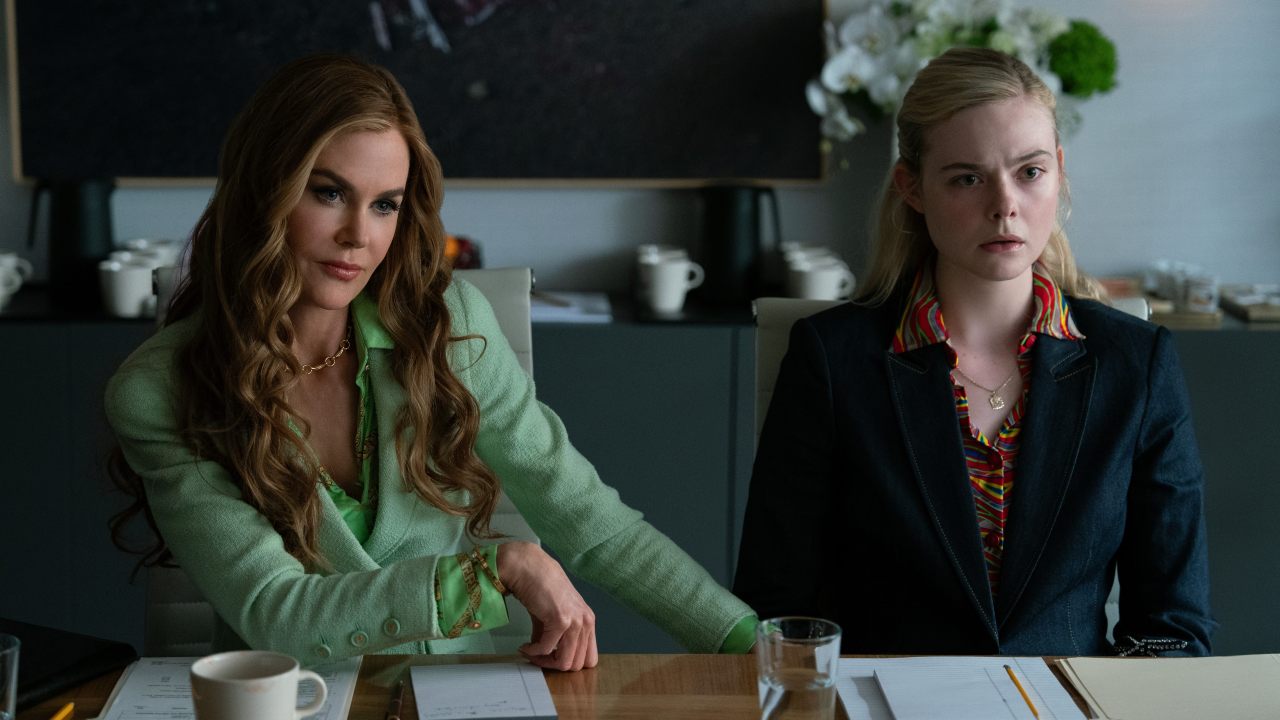
Nicole Kidman’s role, though more contained, adds an interesting layer to the narrative. She represents a more polished, institutional world that intersects with Margo’s life in ways that highlight the gap between stability and precarity. Her performance is controlled and deliberate, providing a counterpoint to the more chaotic energy of Margo’s day-to-day existence. What I appreciated most is that the series doesn’t try to resolve its central tensions too neatly. Margo’s success on OnlyFans brings financial relief, but it also introduces new complications—questions about privacy, identity, and how she is perceived by others. The show doesn’t frame these as lessons to be learned, but as ongoing conditions she has to navigate. That refusal to simplify things gives the story a sense of honesty that lingers after the show ends.
By the time the season closes, I found myself less interested in whether Margo “succeeds” in any conventional sense and more invested in how she continues to define herself. That’s a strong place for a show to land. It suggests that the real subject here isn’t just money or even motherhood, but the process of constructing a life under pressure, with limited resources and imperfect guidance.
Margo’s Got Money Troubles is not trying to be universally likable, and that works in its favor. It’s specific, sometimes uncomfortable, and occasionally uneven, but it’s also thoughtful, well-acted, and quietly compelling. It takes a premise that could have easily turned into a headline-driven drama and instead builds something more considered and character-focused. I didn’t agree with all of its choices, and I could feel the pacing strain at times, but I was consistently engaged, and more importantly, I believed in the world it created.
Final Score- [8/10]
Reviewed by - Anjali Sharma
Follow @AnjaliS54769166 on Twitter
Publisher at Midgard Times
Premiere Date: April 15, 2026, on Apple TV+, with the first three episodes followed by a new episode every Wednesday.

Hi Everyone, after a due consideration, we have decided that we will be open for donations to help us in managing our website. We will be greatful for any kind of amount we receive. Thanks!
— Midgard Times 🎬 (@Moviesr_net) January 4, 2026
PayPal- [email protected] pic.twitter.com/DlNNz5Npm5
Get all latest content delivered to your email a few times a month.
Bringing Pop Culture News from Every Realm, Get All the Latest Movie, TV News, Reviews & Trailers
Got Any questions? Drop an email to [email protected]



 © Copyrights MOVIESR.NET All rights reserved