

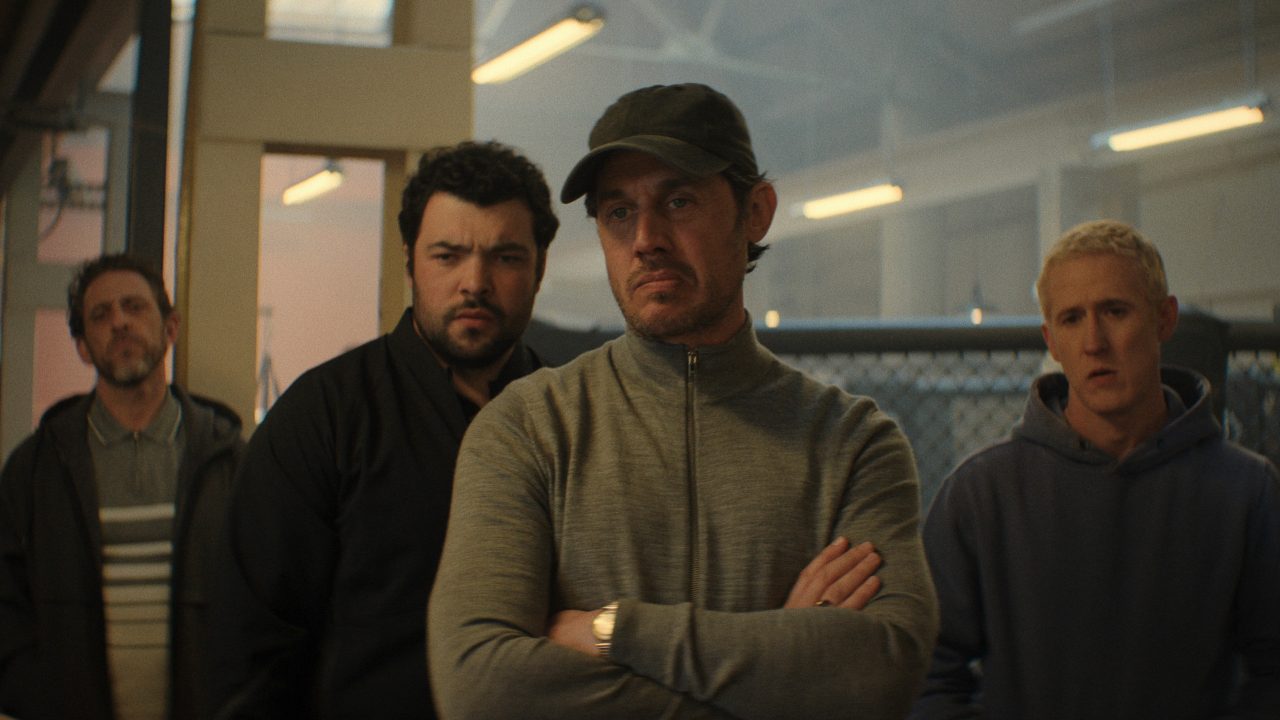
By episode four of Criminal Minds season two—yes, I’m still mentally adjusting to how casually this show can ruin my blood pressure with nothing more than a polite phone call—I thought I had a pretty solid grasp on its rhythm. Somebody says something carefully. Somebody else pretends not to hear it. A folder gets passed across a desk like it contains national secrets, emotional trauma, or both. Then Peter Capaldi walks into a room, and suddenly everyone forgets how confidence works. Business as usual. And then “Safe” arrived. And somehow, despite a title that sounds reassuring enough to belong on baby shampoo, this episode turned out to be one of the most quietly tense, emotionally layered, and unexpectedly human hours of the season so far. Which, frankly, feels almost rude. I mean that as praise.
If “Snakes and Ladders” was about career movement, institutional politics, and the terrifying reality that paperwork can destroy lives, “Safe” takes those themes and makes them deeply personal. This episode isn’t just about systems anymore. It’s about who falls through them. And who notices. And who benefits when nobody does. That’s heavier territory. Thankfully, the show is more than ready for it.
At the center of everything, as always, is June Lenker, played with extraordinary control by Cush Jumbo, and honestly, this may be one of her strongest episodes of the season. June has always been a compelling lead because she doesn’t operate like most television detectives. She’s not the loudest person in the room. She’s not dramatically brilliant. She doesn’t solve crimes by staring at murder boards while drinking coffee and ignoring authority. She solves problems by listening. Really listening. And in “Safe,” that skill becomes more important than ever.
The episode opens with what appears to be a straightforward welfare check involving a young witness housed under protective supervision. Routine. Controlled. Procedural. Which, in television terms, basically translates to: “Everything is about to go emotionally sideways.” Sure enough, when June arrives, things aren’t just off. They’re wrong. Missing records. Inconsistent timelines. Security footage that doesn’t quite match official reports. Staff members who smile too quickly. I immediately got suspicious. This show knows exactly how to trigger my institutional distrust. And I appreciate that.
What follows is one of the strongest investigations the season has delivered so far—not because it’s flashy, but because it’s painfully believable. No giant conspiracies. No serial killers leaving philosophical clues. No dramatic digital reconstructions. Just vulnerable people. Broken systems. And the horrifying possibility that “safe” may simply be a word adults use when paperwork is complete. That’s good writing. That’s also deeply uncomfortable.
Cush Jumbo absolutely owns this material. June feels sharper here, more confident, more willing to challenge authority—but importantly, not invincible. She still hesitates. She still recalculates. She still knows exactly how dangerous it is to ask the wrong question in the right room. And Jumbo plays every one of those calculations beautifully. There’s one interview scene midway through the episode where June says almost nothing for nearly a minute. She just listens. Watches. Let's silence do the work. And somehow it became one of the most intense scenes of the season. That’s acting. That’s directing. That’s trust. Then there’s Daniel Hegarty. Or as I now privately call him: “Human blood-pressure medication failure.”
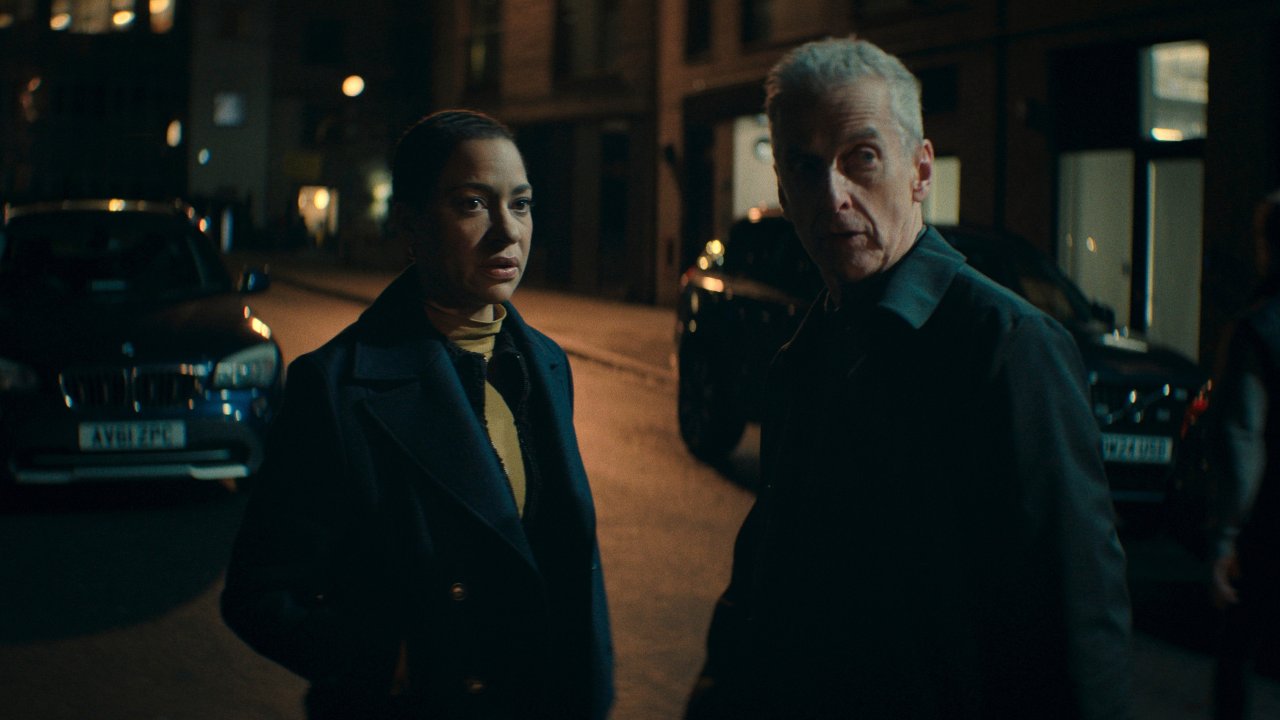
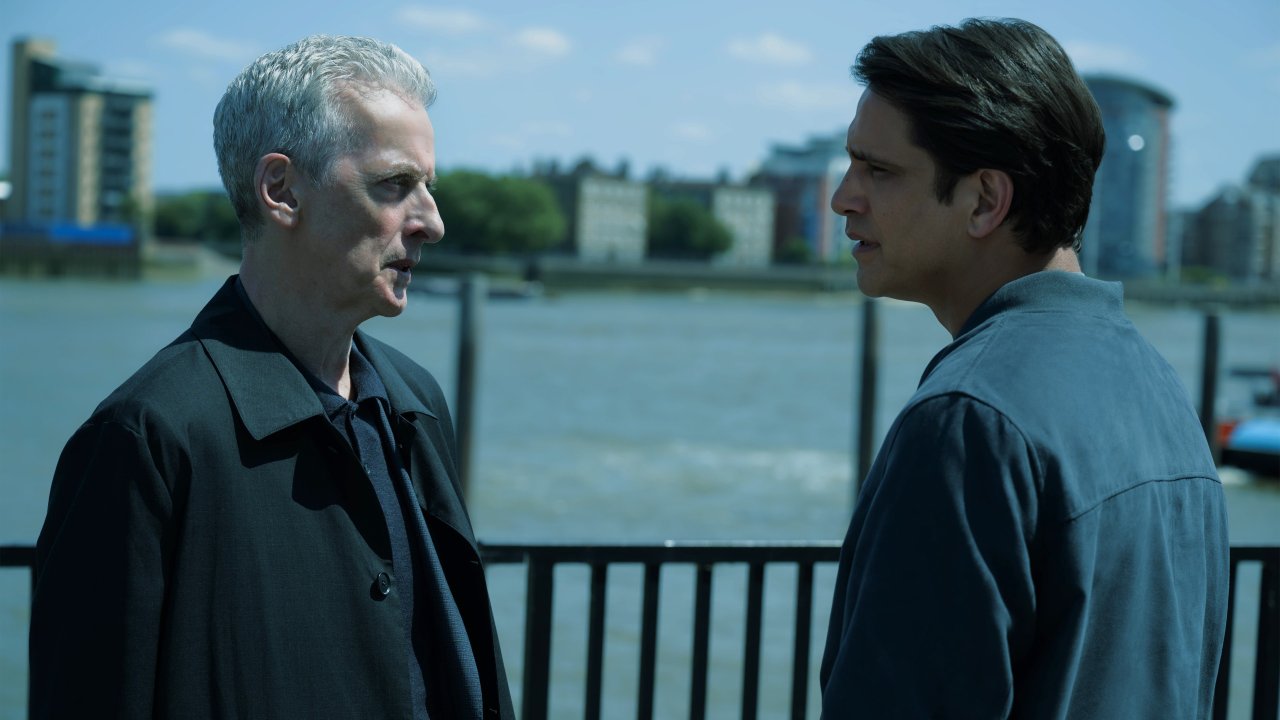
Played once again with terrifying precision by Peter Capaldi, Hegarty continues to prove that the most dangerous characters don’t need power. They just need history. In “Safe,” Hegarty doesn’t dominate the episode through screen time. He dominates it through presence. Even when he’s not physically there, people are reacting to his influence, his decisions, his networks, his past choices. And when he does appear… Everyone immediately starts speaking more carefully. Including me. Capaldi continues doing some of the best work on television right now, and what I love most is how little he actually does. No villain speeches. No emotional explosions. No theatrical intimidation. Just eye contact. Measured language. And the kind of smile that makes you reconsider every career decision you’ve ever made.
The supporting cast also gets stronger material here, especially Aysha Kala as Sonya Singh, who’s quietly becoming one of the season’s most interesting moral wildcards. Sonya’s arc in this episode is excellent because she’s clearly reaching the point where neutrality is no longer sustainable. She can follow instructions. Or follow her conscience. And Criminal Minds wisely understands that those two things rarely live in the same office. Her scenes with June are especially strong—awkward, honest, slightly defensive, and full of the kind of professional tension that only exists when both people know exactly what’s being left unsaid.
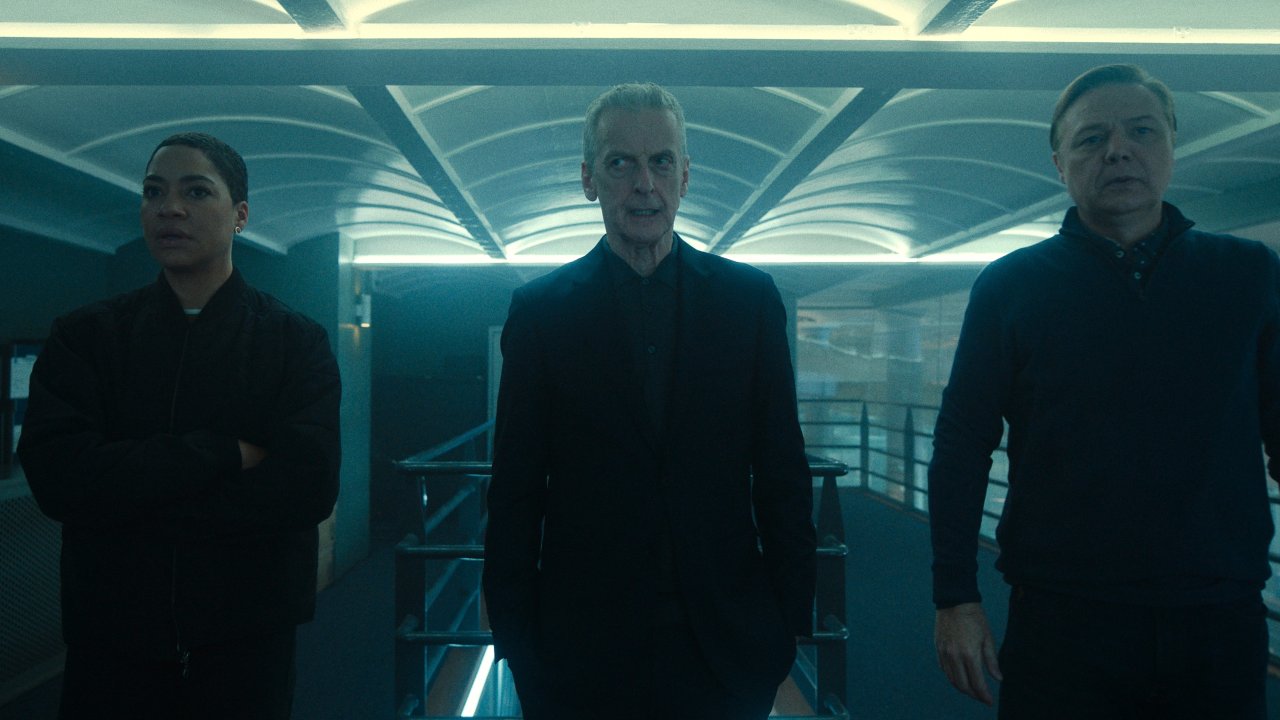
Visually, “Safe” continues the show’s understated excellence. Director Marc Evans understands that institutional horror doesn’t need shadows. It needs fluorescent lighting. Hallways. Bad coffee. Doors that require keycards. Rooms that technically feel open but somehow still feel trapped. And this episode absolutely nails that atmosphere. The safe-house interiors are especially effective—sterile, functional, emotionally cold, and quietly claustrophobic. At one point, I realized I was physically leaning away from the screen. That’s usually a good sign.
The writing is another major strength here. Dialogue feels sharp, lived-in, and wonderfully British in that very specific way where people deliver emotionally devastating observations while sounding like they’re discussing train schedules. I laughed more than I expected. Not because the episode is funny. Because the sarcasm is surgical. And that’s even better. What really impressed me, though, is how the episode handles vulnerability. Nobody gets turned into a plot device. Victims feel like people. Witnesses feel scared for believable reasons. Institutional failures feel systemic rather than cartoonishly evil. That nuance matters. And Criminal Minds earns it.
As strong as the central investigation is, one secondary subplot involving departmental promotions still feels slightly disconnected from the emotional core of the episode. I understand why it’s there. I understand what it’s setting up. I just didn’t care nearly as much. Every time the episode shifted toward office politics, I found myself thinking: “Yes, promotions are important… But someone is literally disappearing under witness protection.”
There’s also a small pacing dip in the second act. Not enough to lose momentum, but enough for me to briefly notice the runtime. And in a show this tight, that’s noticeable. One late reveal—emotionally excellent, narratively satisfying—also arrives with just a little too much investigative convenience. I bought it. I felt it. I still raised one respectful eyebrow. That’s about it. Seriously. Because when the rest of the episode is operating at this level, criticism starts feeling very small. What makes “Safe” so effective is that it understands danger doesn’t always look dramatic. Sometimes danger looks organized. That’s far scarier than any chase scene.
By the time the credits rolled, I wasn’t thinking about who committed the crime. I was thinking about who signed off on it. That’s a much better mystery. “Safe” is emotionally sharp, beautifully acted, quietly devastating, visually precise, and one of the strongest episodes of the season so far. It stumbles only slightly with one undercooked side thread and a couple of narrative conveniences, but when almost everything else is this controlled, this intelligent, and this human… Those complaints feel very small. Also… I no longer trust buildings labeled “secure.” And I blame this episode entirely.
Final Score- [8/10]

Hi Everyone, after a due consideration, we have decided that we will be open for donations to help us in managing our website. We will be greatful for any kind of amount we receive. Thanks!
— Midgard Times 🎬 (@Moviesr_net) January 4, 2026
PayPal- [email protected] pic.twitter.com/DlNNz5Npm5
Get all latest content delivered to your email a few times a month.
Bringing Pop Culture News from Every Realm, Get All the Latest Movie, TV News, Reviews & Trailers
Got Any questions? Drop an email to [email protected]



 © Copyrights MOVIESR.NET All rights reserved