

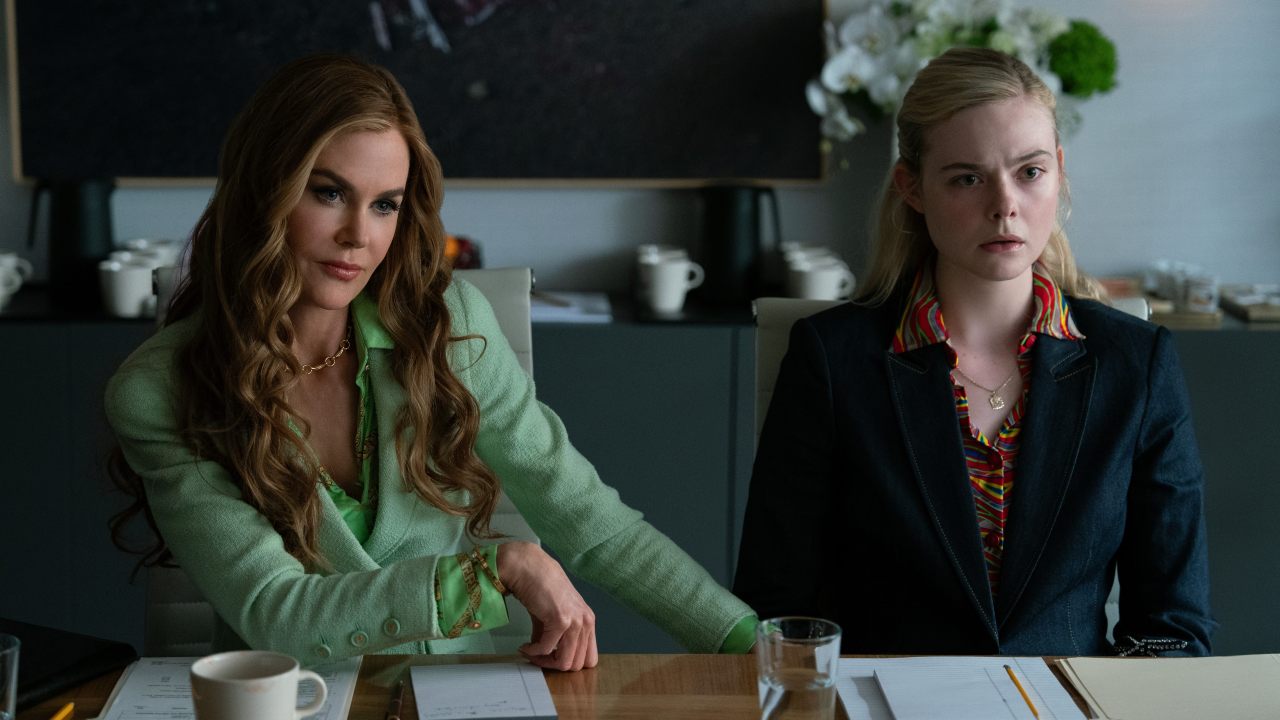
By episode seven of Margo’s Got Money Troubles, I thought I had a decent understanding of how this show liked to hurt me. Usually, it follows a fairly reliable rhythm. First, something funny happens. Then someone says something wildly inappropriate but weirdly insightful. Then Margo makes a decision that is either financially brilliant or emotionally catastrophic. Then Jinx appears, looking like a man who has seen every version of human stupidity and still somehow believes in people. “Lariat Takedown” takes that formula, grabs it by the collar, and throws it straight through a folding table. And I mean that with deep affection.
This is one of those episodes that doesn’t look massive on paper. There are no giant twists, no sudden genre shifts, no “wait, was that person secretly dead all along?” prestige-TV nonsense. What “Lariat Takedown” does instead is much harder—it takes everything the season has been quietly building in terms of character, family, ambition, money, shame, identity, and emotional survival, and it starts cashing in. And wow… some of those checks clear hard. At the center of everything, as always, is Margo, played by Elle Fanning, and if episode six gave her room to expand as an entrepreneur, episode seven reminds us that success doesn’t just attract opportunities. It attracts opinions. Everybody suddenly has one. Family, Friends, Investors, and Former lovers. People who ignored you three weeks ago. And somehow all of them now speak with the confidence of consultants.
Margo, to her credit, handles most of this the way any exhausted young mother running a growing digital platform while trying not to emotionally collapse probably would—by smiling politely, quietly panicking, and making approximately three life-changing decisions before lunch. I respect the efficiency.
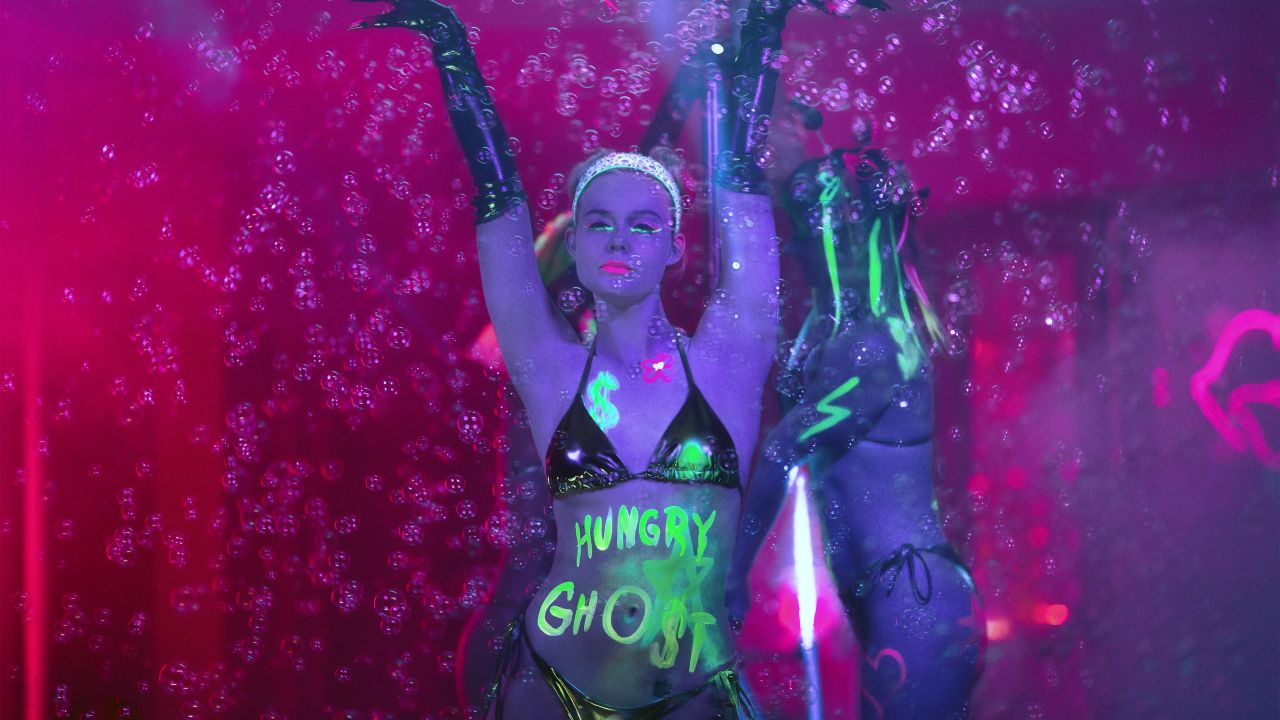
The episode opens with HungryGhost now clearly becoming more than a survival mechanism. It’s not just helping Margo pay bills anymore. It’s becoming an actual brand, a real business, something with numbers, projections, contracts, visibility, and the kind of attention that makes people suddenly remember they’ve “always believed in you.” Nothing suspicious about that. Absolutely none. One of the smartest choices this episode makes is showing how success creates new forms of vulnerability. Earlier episodes focused on scarcity. Rent. Childcare. Shame. Judgment. Making it through the week. “Lariat Takedown” is about something much scarier. Scale. And the writing understands that beautifully.
There’s a fantastic sequence involving a potential partnership meeting that feels more intense than some hostage negotiations I’ve seen in actual thrillers. Nobody raises their voice. Nobody flips a table. Nobody dramatically storms out. People just smile. Ask polite questions. Mention percentages. And somehow I became deeply uncomfortable. That’s good writing. That’s also capitalism. Margo herself feels sharper here. She’s still improvising—this is Margo, after all—but there’s a growing confidence in how Elle Fanning plays her. She’s no longer just reacting to crises. She’s starting to anticipate them. And that changes everything.
Fanning continues to absolutely carry this show with what looks like effortless precision. She makes Margo funny without ever chasing laughs, vulnerable without becoming sentimental, and ambitious without losing the character’s emotional messiness. That’s hard. Especially in a role that could have very easily become “quirky struggling mom with internet fame.” Instead, Margo feels painfully real. And occasionally alarmingly competent. Then there’s Jinx. Played, once again, with beautifully chaotic warmth by Nick Offerman. At this point, I’m prepared to say Jinx might be the emotional backbone of the entire series. Which is slightly ridiculous considering he’s a retired wrestler who often speaks like every sentence started as a joke and accidentally became wisdom.
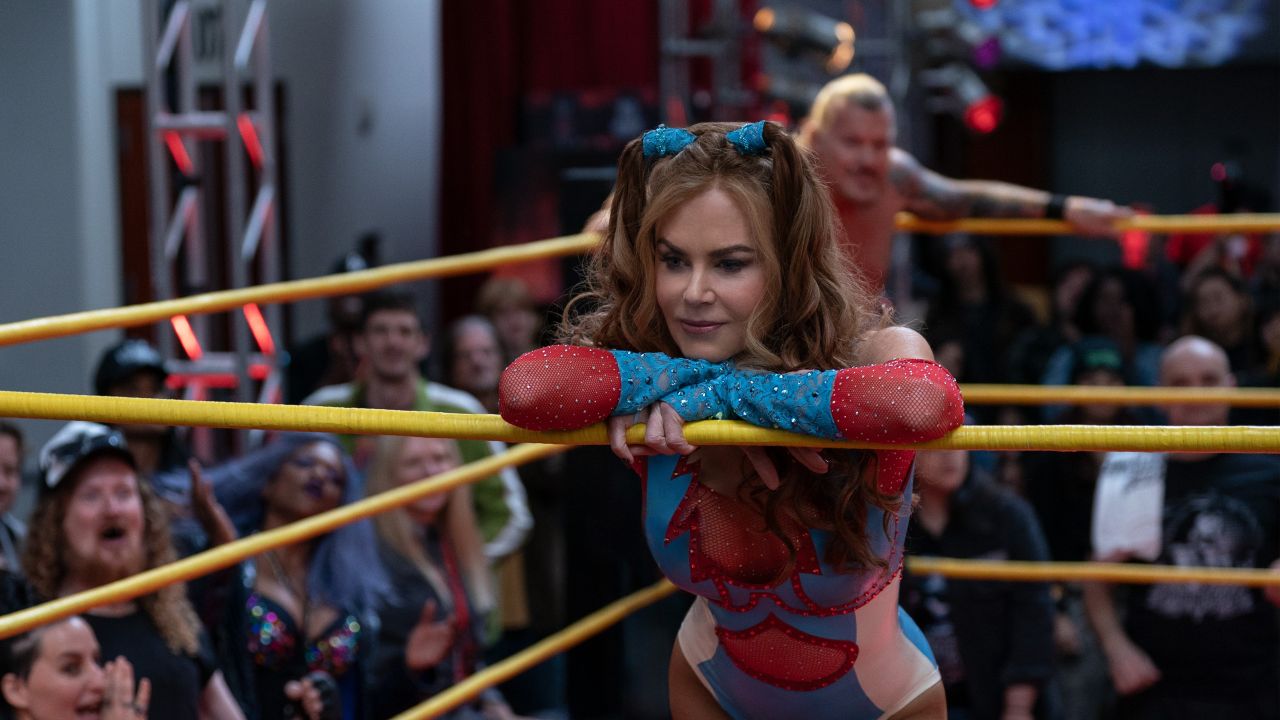
In “Lariat Takedown,” Jinx gets some of his best material yet. There’s a sequence involving a local wrestling event that initially feels like comic relief—and to be fair, parts of it absolutely are—but it slowly becomes something much heavier. It becomes about legacy. About aging. About usefulness. About whether people who spent their lives performing strength know what to do when emotional honesty becomes the harder skill. And yes… I got unexpectedly emotional watching a man in wrestling boots talk about relevance. I did not see that coming.
Shyanne, played brilliantly by Michelle Pfeiffer, also continues to be one of the most unpredictable forces in the series. She gets several fantastic scenes here, especially when family tensions begin resurfacing after the fallout of the previous episode. Pfeiffer plays every line like it has at least three meanings. Sometimes all three are threats. I admire that. I also fear her slightly. The family scenes in this episode are probably its strongest material. There’s one confrontation that starts as a disagreement about money and very quickly reveals it was never about money. It’s about pride. Resentment. Sacrifice. And who never got thanked. That scene is excellent. And written with the kind of emotional precision that makes you wonder whether someone in the writers’ room definitely needed therapy afterward.
Visually, the episode continues the show’s strong aesthetic identity. The wrestling venue is beautifully grimy in the best way—warm lighting, aging posters, cheap folding chairs, local pride, and exactly the kind of emotional history that makes every hallway feel haunted by stories. Meanwhile, Margo’s digital-business world keeps looking increasingly polished, increasingly professional, and increasingly detached. That contrast works really well. It quietly reflects what Margo is becoming. Or maybe what she’s leaving behind.
As strong as the emotional material is, the episode occasionally feels like it’s balancing one subplot too many. There’s a secondary relationship thread that gets a few scenes here, and while I understand why it matters long-term, it never quite reaches the emotional urgency of everything else happening. Every time the episode returned to it, I found myself thinking: “Yes, that’s fine… But can we go back to the emotionally unstable wrestling family?” That’s not ideal. There’s also one late business development that lands slightly cleaner than real life usually allows. I bought it emotionally because Fanning sells the moment beautifully. Logistically? I raised one respectful eyebrow. And while the wrestling scenes are fun, one match sequence goes on just a little longer than necessary. I understand the symbolic parallels. I appreciated the character work. I still checked how much runtime was left.
These are small complaints in an episode doing so much right. What makes “Lariat Takedown” special is that it understands success doesn’t erase emotional baggage. It just gives your baggage better lighting. Margo isn’t struggling less. She’s struggling differently. And that’s far more interesting. By the time the credits rolled, I wasn’t thinking about subscriber counts, business valuations, or sponsorship offers. I was thinking about inheritance. About the exhausting reality that sometimes the people who taught you how to survive aren’t emotionally prepared for watching you succeed. And “Lariat Takedown” is one of its strongest hours yet. It’s funny, emotionally sharp, beautifully acted, full of character-specific pain, and just messy enough to feel honest. It stumbles once or twice under the weight of its many moving parts, but when it lands—and most of the time, it absolutely does—it hits harder than anything happening inside the wrestling ring. And honestly? That’s saying something.
Final Score- [7.5/10]



Hi Everyone, after a due consideration, we have decided that we will be open for donations to help us in managing our website. We will be greatful for any kind of amount we receive. Thanks!
— Midgard Times 🎬 (@Moviesr_net) January 4, 2026
PayPal- [email protected] pic.twitter.com/DlNNz5Npm5
Get all latest content delivered to your email a few times a month.
Bringing Pop Culture News from Every Realm, Get All the Latest Movie, TV News, Reviews & Trailers
Got Any questions? Drop an email to [email protected]


 © Copyrights MOVIESR.NET All rights reserved