

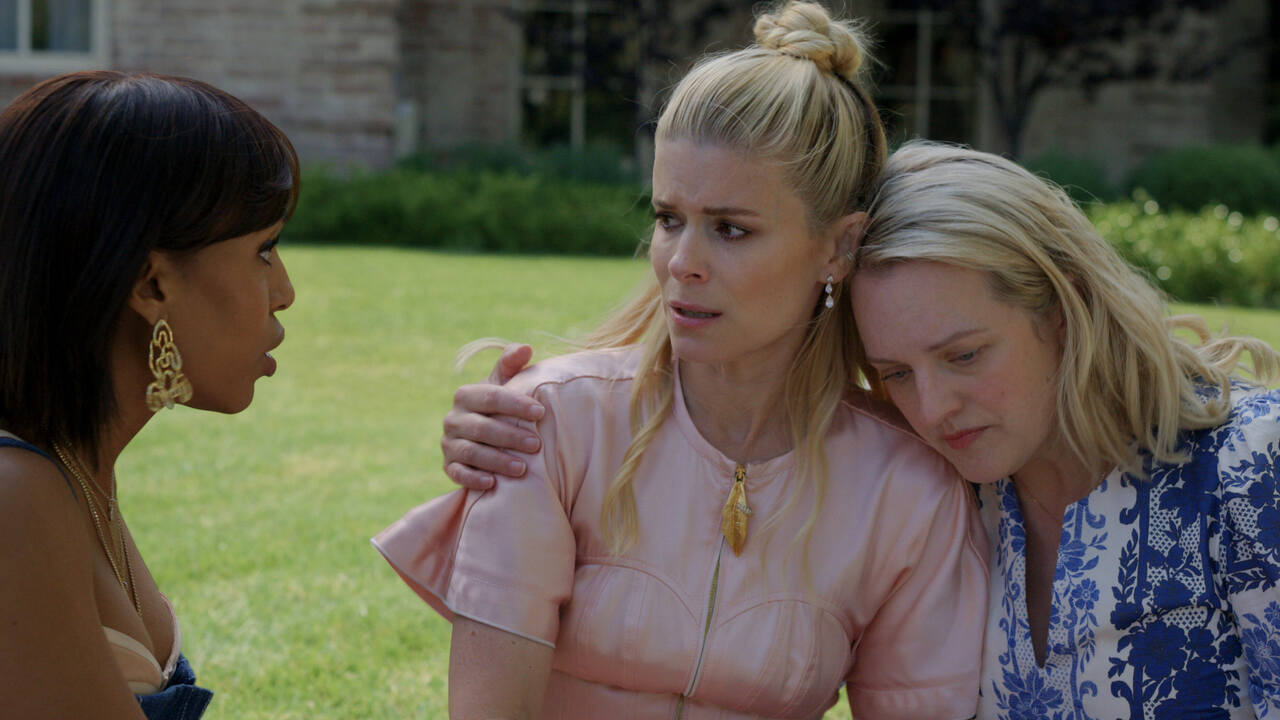
I’ll admit something upfront: I wasn’t entirely convinced by Imperfect Women in its first three episodes. I was engaged, yes, but also slightly distanced, watching a polished, emotionally intense story that hadn’t quite earned its weight yet. Episode 4, “Nancy,” is where that hesitation starts to dissolve. This is the point where the show stops circling its mystery and begins to inhabit it. More importantly, it finally gives Nancy a voice, and that decision changes everything.
Up until now, Nancy has existed mostly as an absence, a body, a memory, a collection of other people’s interpretations. That’s a familiar device in murder dramas, but it often risks flattening the victim into a narrative tool. This episode actively resists that. By shifting into Nancy’s perspective, the series doesn’t just fill in gaps; it complicates them. Her life isn’t presented as a neat explanation for her death, and I appreciated that restraint. Instead, we see fragments: her past, her emotional state, and the tensions within her marriage. It’s not tidy, and that’s precisely why it works.
Kate Mara’s performance becomes the center of gravity here. There’s a quiet precision to how she plays Nancy, controlled on the surface, but clearly carrying strain underneath. The episode leans heavily on her ability to communicate internal conflict without over-explaining it, and she delivers. You start to understand why the people around her misread her, and at the same time, why she made the choices she did. That duality is crucial, and the show handles it with more nuance than I expected.
One of the most effective aspects of “Nancy” is how it reframes what we already know. Details from earlier episodes, her affair, her strained marriage, and the dynamics within the friend group, take on a different texture when seen from her point of view. The affair, for instance, is no longer just a plot twist or a moral failing; it feels tied to something more internal, more unresolved. The show doesn’t spell this out in heavy dialogue, which I found refreshing. It trusts the audience to connect the dots.
That said, the episode still carries some of the show’s ongoing issues with subtlety. There are moments where the writing leans toward overstatement, especially in scenes dealing with her marriage. We’re told quite clearly that things are not working, and while that’s important, it occasionally comes at the expense of complexity. I would have preferred a bit more ambiguity—more room to interpret rather than being guided toward a specific emotional conclusion.
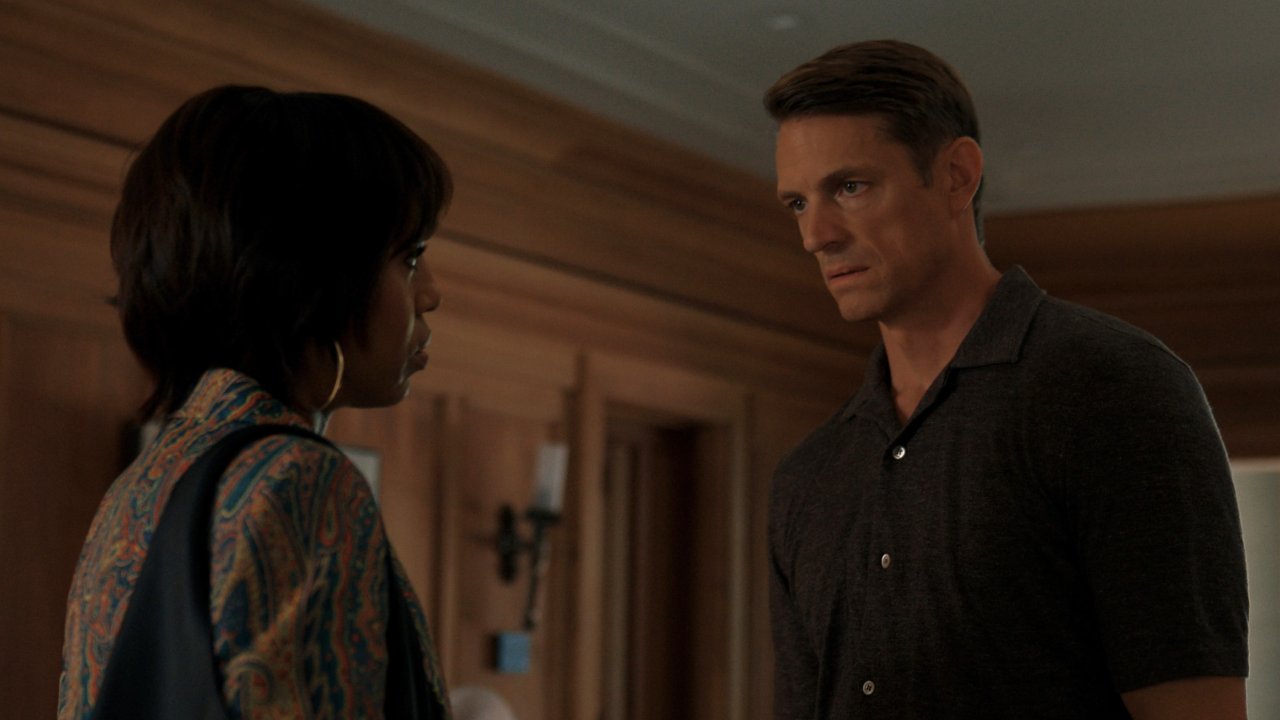
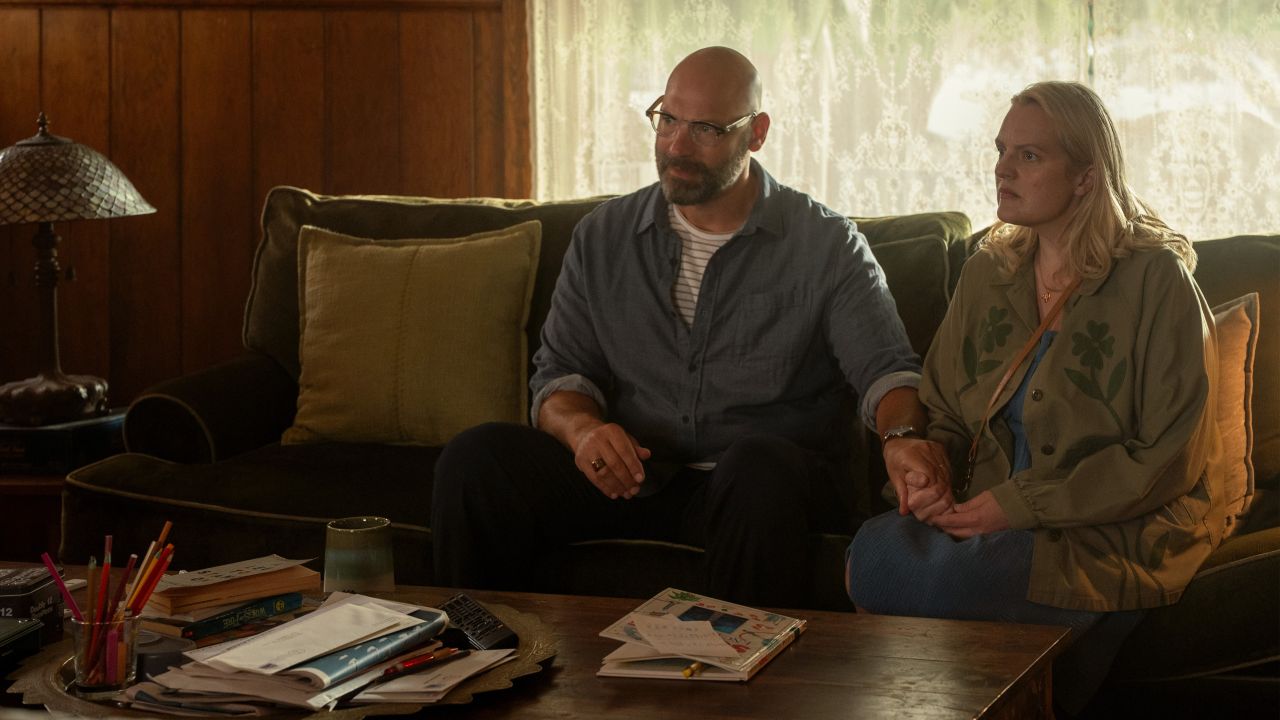
Joel Kinnaman’s presence as Robert continues to be intentionally unsettling. Even from Nancy’s perspective, he’s difficult to pin down. There are hints of volatility, hints of control, but the episode stops short of defining him outright. I actually think this is one of the stronger choices the show makes. It avoids turning him into a straightforward suspect or villain, at least for now, and instead keeps him within that uncomfortable gray area. It aligns well with the show’s broader theme: that perception is unreliable, especially within intimate relationships.
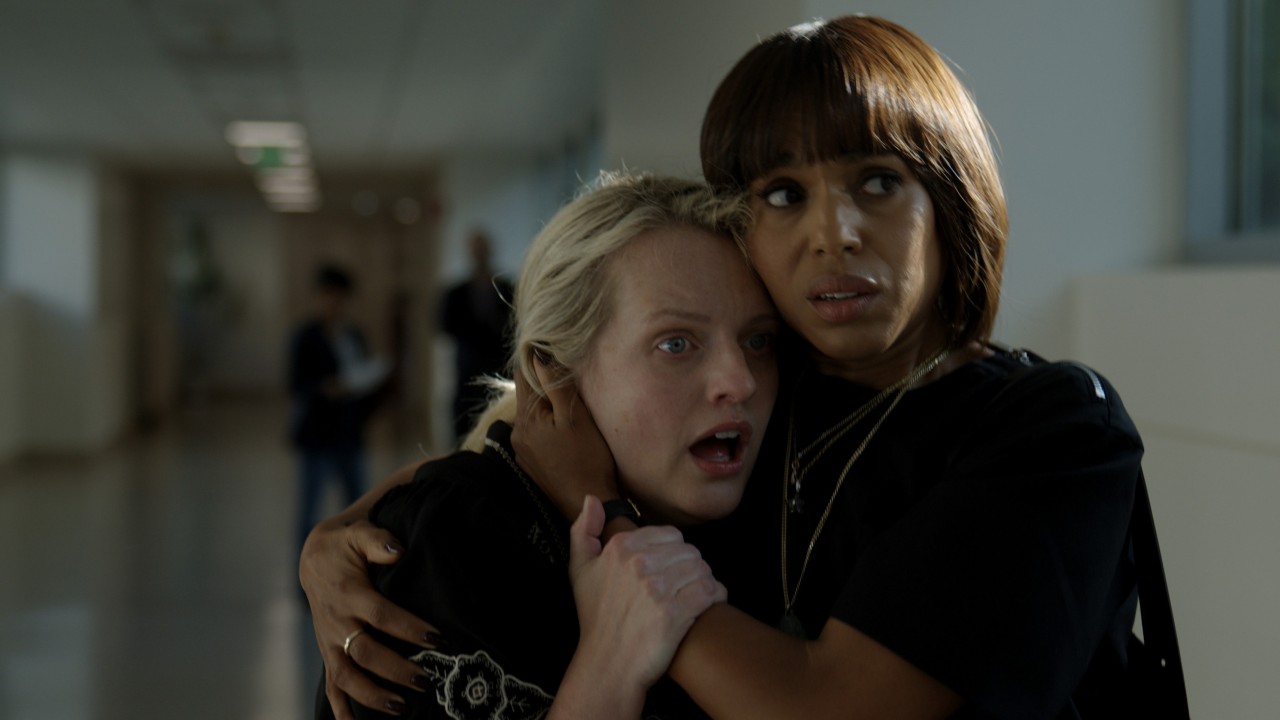
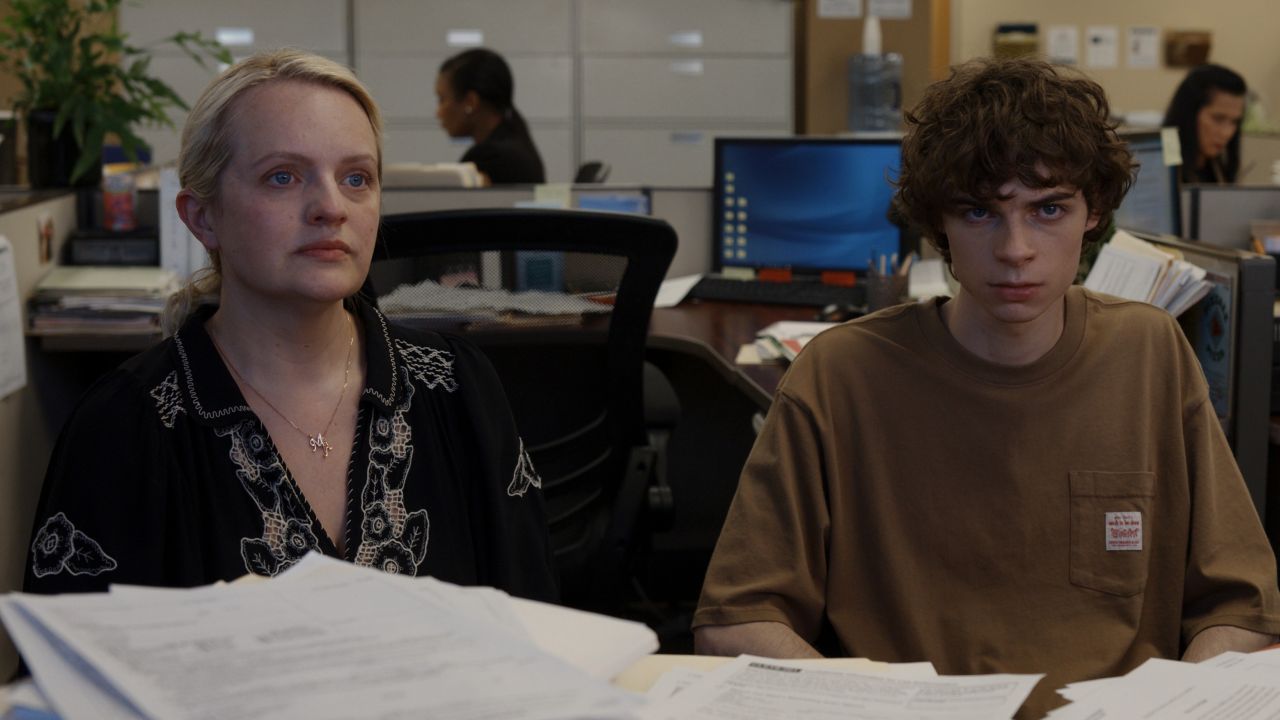
Structurally, this episode marks a turning point. The earlier episodes were anchored in Eleanor’s perspective, which created a certain narrative distance. Here, the storytelling becomes more fluid. The use of voiceover and flashback could have felt heavy-handed, but it’s handled with enough restraint to remain effective. The pacing also improves noticeably. There’s a clearer sense of progression, and the episode feels purposeful rather than meandering.
Visually, the show continues to lean into its polished aesthetic. The Los Angeles setting is presented with that familiar glossy finish, expansive homes, carefully composed interiors, and a kind of curated affluence. In earlier episodes, this sometimes made the show feel superficial. In “Nancy,” it works better because it contrasts with her internal state. The environments feel controlled, almost too perfect, which subtly reinforces the idea that something underneath is off. It’s not groundbreaking cinematography, but it’s thoughtful.
Where the episode doesn’t fully succeed is in balancing its emotional depth with its broader mystery. While Nancy’s story is compelling on its own, the central question—who killed her—doesn’t move forward in a significant way here. I understand the intention; this is a character-focused chapter. But as a viewer, I did feel a slight lack of momentum in the overarching plot. The episode enriches the context, but it doesn’t escalate the stakes tangibly.
There’s also a lingering issue with how the show handles its themes. Imperfect Women clearly wants to explore judgment—how women are perceived, how they internalize expectations, how they’re defined by their choices. That’s all present in Nancy’s storyline, especially regarding her affair and her role within her marriage. But the execution sometimes feels a bit too on-the-nose. The ideas are strong; the delivery could be more understated.
Still, what stands out most about this episode is how it reorients the series. It’s no longer just about what happened to Nancy; it’s about who she was, and how little the people around her truly understood her. That shift makes the mystery more interesting, not less. It suggests that the answer won’t come from a single revelation, but from piecing together multiple, conflicting perspectives.
By the end of “Nancy,” I found myself more invested than I had been at any point earlier in the season. Not because the plot suddenly became more thrilling, but because the characters started to feel more fully realized. The show is at its best when it leans into that—when it allows its characters to be inconsistent, difficult, and not entirely explainable.
There are still imperfections, fittingly enough. The writing occasionally overreaches, the pacing isn’t always consistent, and the mystery element could use a stronger sense of urgency. But this episode demonstrates what the series is capable of when it focuses on character over spectacle.
If the remaining episodes build on this foundation—giving Mary the same depth, continuing to layer perspectives without overcomplicating them—then Imperfect Women might evolve into something genuinely compelling. For now, “Nancy” feels like the moment the show finds its footing. And after three episodes of watching from a distance, I’m finally leaning in.
Final Score- [7/10]

Hi Everyone, after a due consideration, we have decided that we will be open for donations to help us in managing our website. We will be greatful for any kind of amount we receive. Thanks!
— Midgard Times 🎬 (@Moviesr_net) January 4, 2026
PayPal- [email protected] pic.twitter.com/DlNNz5Npm5
Get all latest content delivered to your email a few times a month.
Bringing Pop Culture News from Every Realm, Get All the Latest Movie, TV News, Reviews & Trailers
Got Any questions? Drop an email to [email protected]



 © Copyrights MOVIESR.NET All rights reserved