

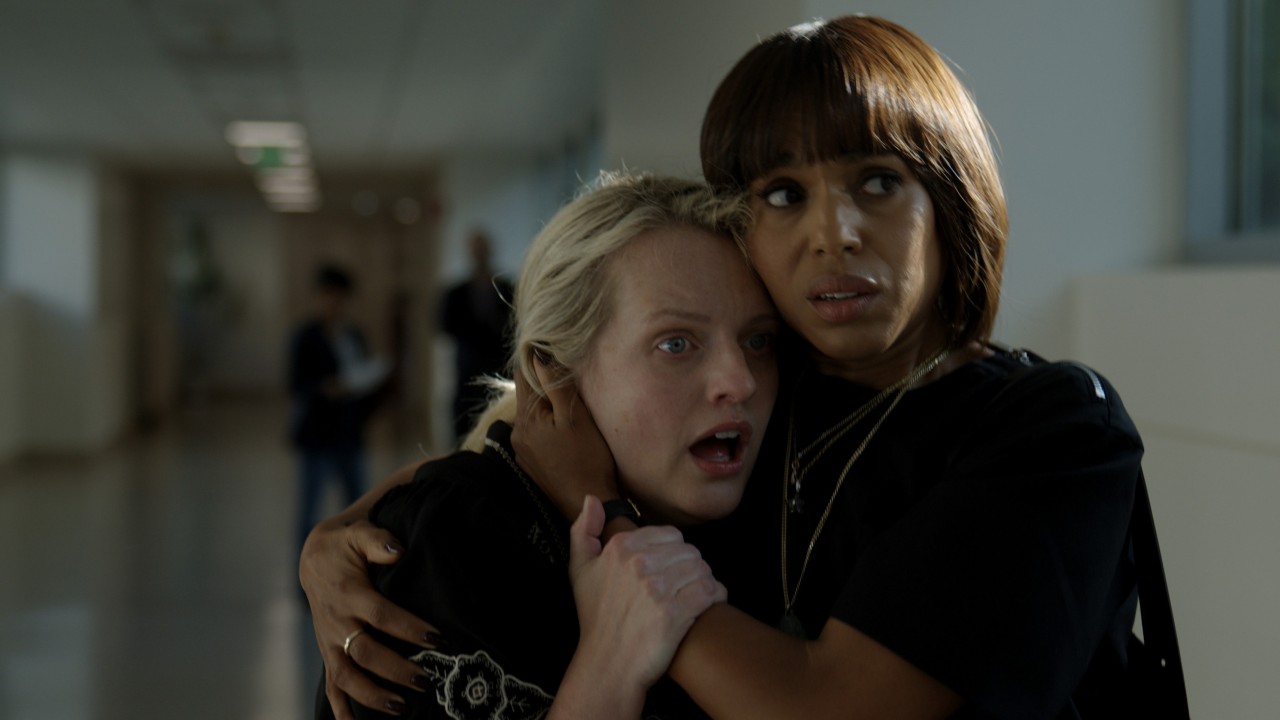
I went into “Fabulation” expecting a transitional episode, and what I got instead was something more psychologically loaded, more unsettling, and, in some ways, more narratively daring than I anticipated. This is an episode that leans heavily into perspective, not just as a storytelling device but as a thematic argument. It asks how much of what we remember is shaped by what we need to believe, and it does so without ever feeling overly academic or distant.
The decision to center the episode entirely on Mary works in its favor. The series has already established its rotating perspective structure, but here, that device feels more urgent. Being locked into Mary’s point of view means every discovery lands with a personal weight. Her emotional instability is not presented as spectacle; it’s embedded in the storytelling rhythm. Scenes don’t just unfold—they hesitate, double back, and reframe themselves. I found myself constantly recalibrating what I thought I knew, which is exactly what the show wants.
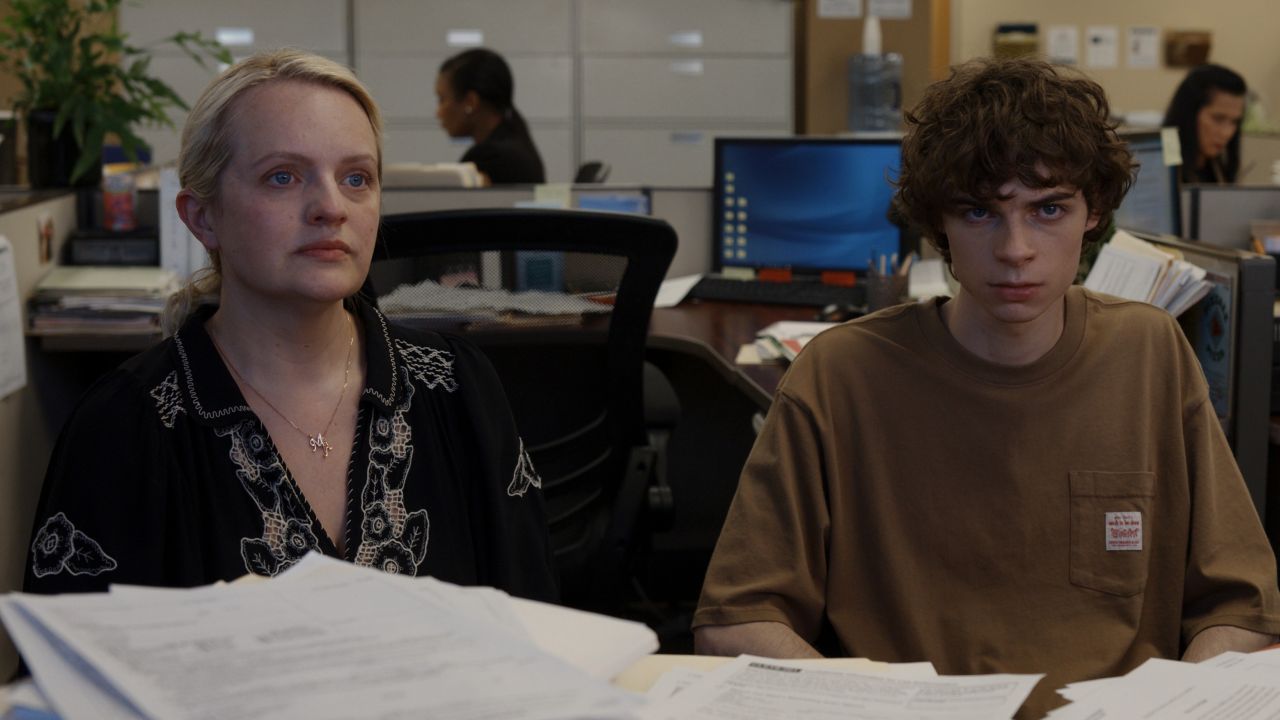
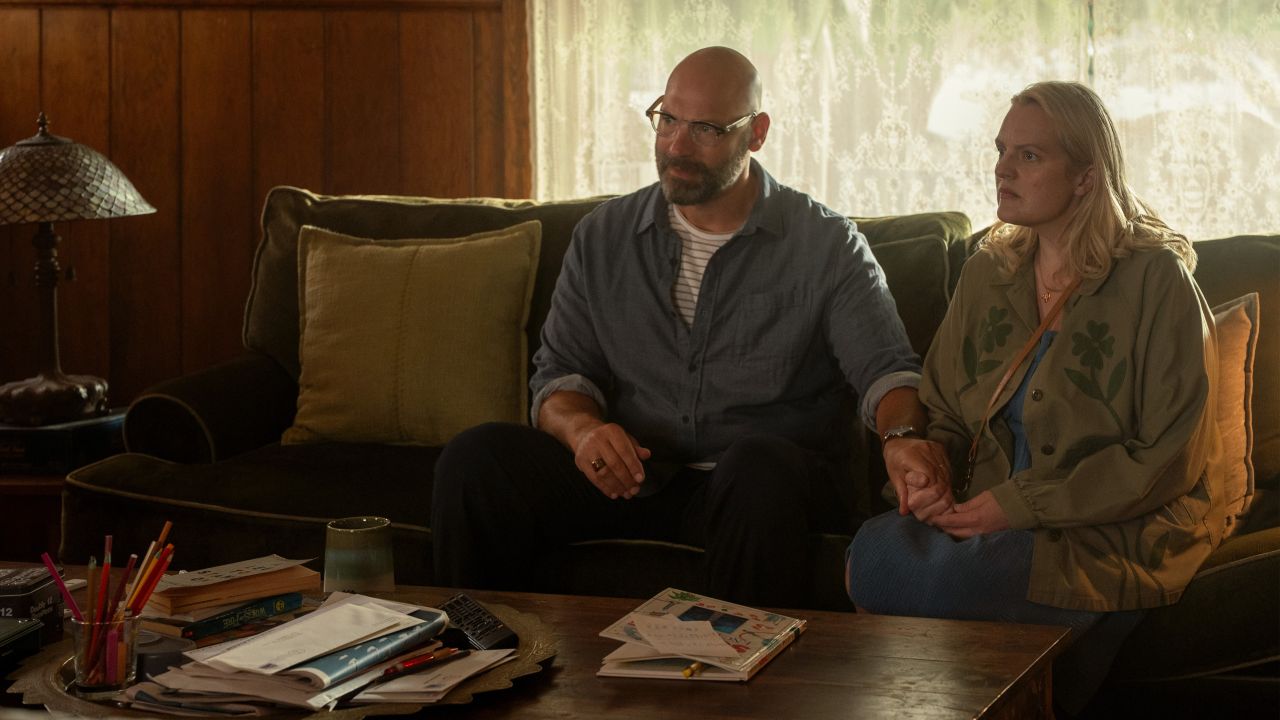
Elisabeth Moss delivers one of her strongest performances in the series so far. She plays Mary with a level of control that never tips into theatricality. Even when the character is spiraling, Moss keeps things grounded. There’s a quiet calculation behind her reactions, especially in scenes where she’s processing new information about Howard. You can see the moment doubt turns into suspicion, and then into something closer to fear. It’s a precise performance, and it carries the episode.
The writing, credited to Kay Oyegun and Rance Ward, deserves recognition for how it structures these revelations. The episode doesn’t dump information; it lets it emerge through small, almost incidental moments. A torn scrapbook page, a line of poetry, a passing comment—each detail builds toward something larger. When Mary realizes the connection between Howard and Nancy, it doesn’t feel like a twist engineered for shock. It feels inevitable, which is much harder to achieve.
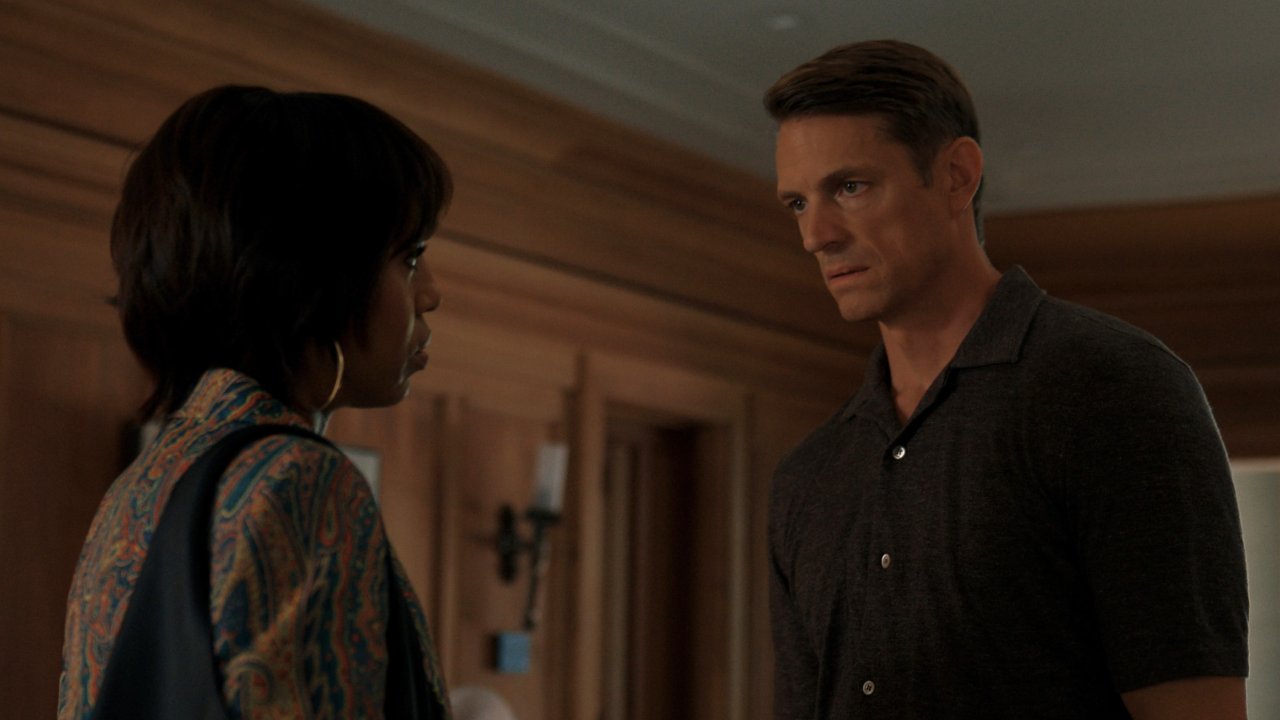
What I particularly appreciated is how the episode ties Mary’s personal history into the present-day mystery. Learning about her past relationship with Howard while he was still married adds a layer of complexity that reframes her current situation. It doesn’t excuse anything, but it complicates how we see her. The show resists clean moral lines, and that ambiguity is one of its strengths.
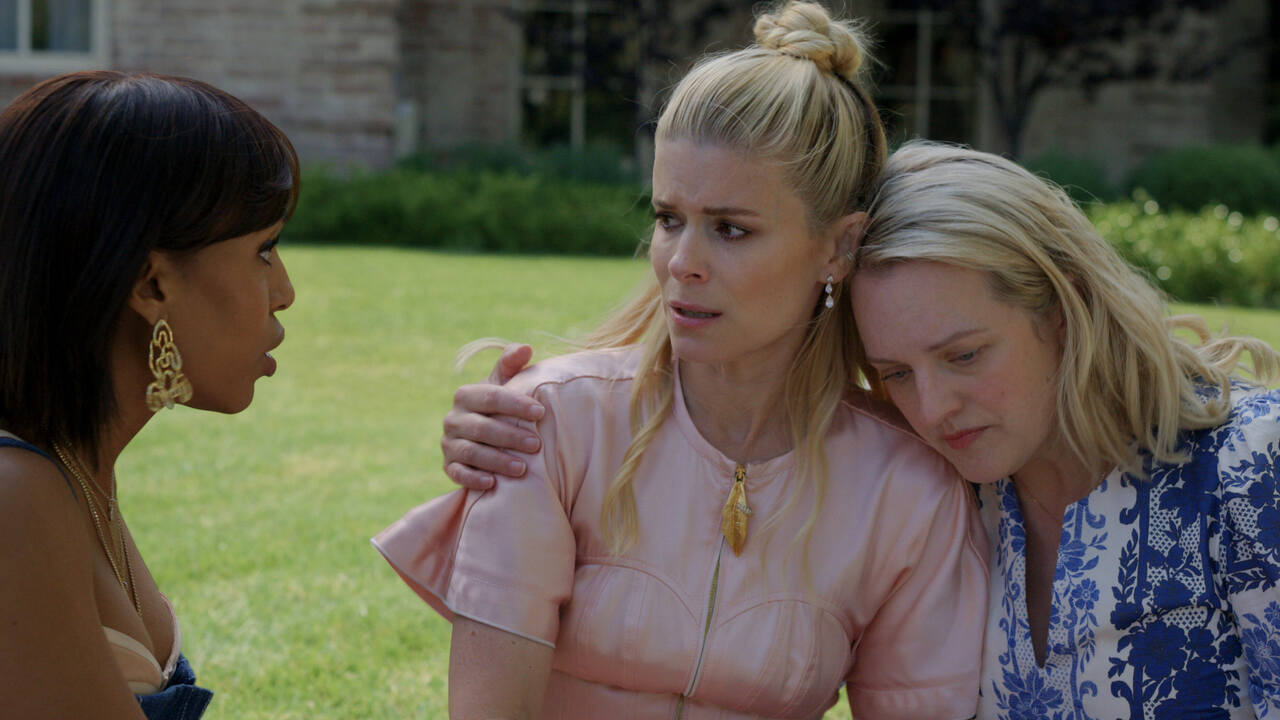
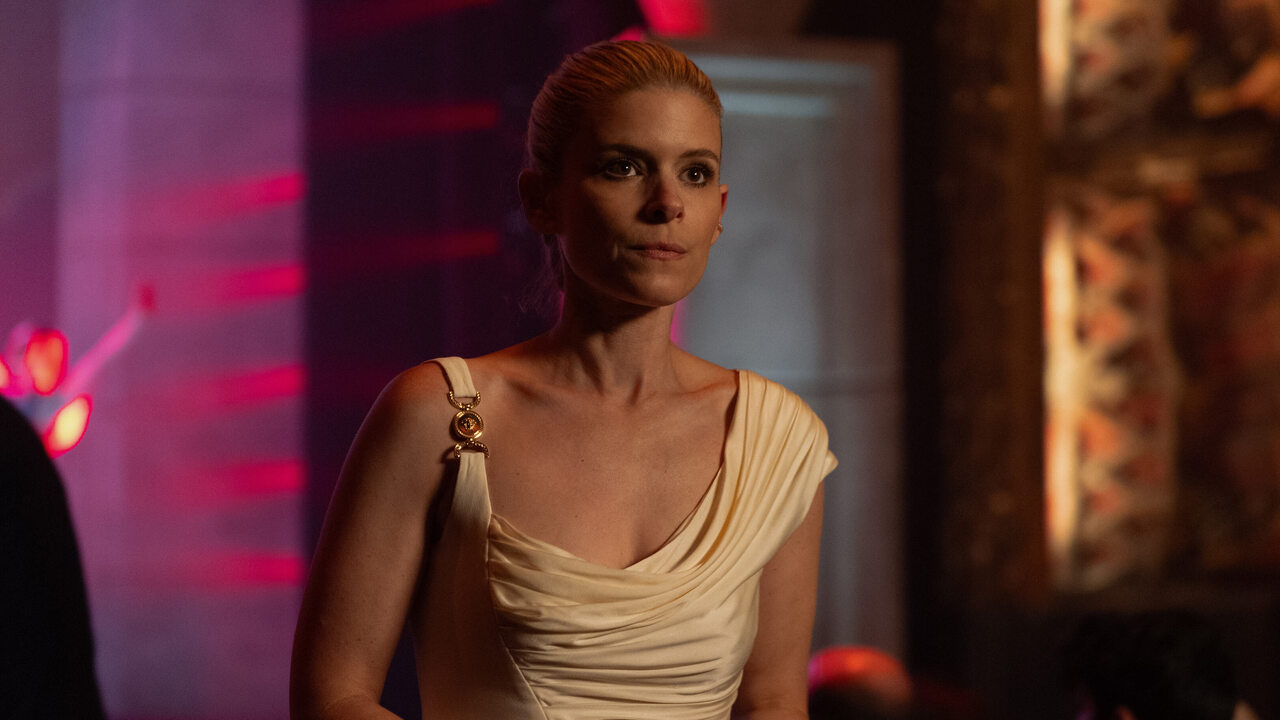
The introduction of Jenny, Howard’s ex-wife, is another highlight. That conversation shifts the tone of the episode in a noticeable way. Up until that point, Howard’s behavior is suspicious but still somewhat ambiguous. After Jenny’s account of abuse, the ambiguity starts to collapse. The show handles this reveal carefully; it doesn’t sensationalize it, but it doesn’t soften it either. It adds a level of real-world gravity that raises the stakes.
Visually, the episode maintains the show’s restrained but effective style. The cinematography doesn’t call attention to itself, but it supports the narrative in subtle ways. Close-ups are used strategically, especially during moments when Mary is processing information. The camera lingers just long enough to make you uncomfortable, which fits the tone. The editing also deserves credit for how it integrates flashbacks. They’re not clearly marked transitions; they bleed into the present, reinforcing the idea that memory is unreliable. That said, the episode isn’t without its issues. The pacing, while mostly deliberate, occasionally feels uneven. There are stretches where the narrative momentum slows down more than necessary. The show’s commitment to psychological detail sometimes comes at the expense of forward movement. I found myself wanting certain scenes to push a bit harder, especially in the middle portion, where Mary is piecing things together.
There’s also a slight overreliance on coincidence in how clues are discovered. The scrapbook page and the poetry connection work thematically, but they do feel a bit too convenient. In a show that otherwise prides itself on careful construction, these moments stand out more than they should. They don’t break the narrative, but they do make the mechanics of the plot more visible.
The subplot involving Detective Gantz adds tension, but it’s not as fully developed as it could be. The interrogation scenes are effective in showing how fragile Mary’s version of events is, but the detective herself remains somewhat underwritten. She functions more as a narrative tool than a fully realized character, which is a missed opportunity given the role she plays in challenging Mary’s perspective. The final act, however, brings everything back into focus. The discovery of Nancy’s ring in Howard’s possession is a strong turning point. It’s a clear, undeniable piece of evidence that shifts the episode from suspicion to something more concrete. And just as the narrative seems ready to settle into that revelation, the hospital sequence interrupts it with a different kind of crisis.
The moment involving Mary’s daughter, Artemis, is handled with restraint. It could have easily been played for heightened drama, but the episode keeps it grounded. The tension comes from the situation itself, not from exaggerated reactions. It also ties back to the earlier detail of Mary hiding pills, creating a sense of cause and effect that feels earned. This is where the episode’s title, “Fabulation,” really lands. The stories the characters tell themselves are no longer abstract; they have consequences. By the time the episode ends, there’s a clear sense that the narrative is converging. Mary’s past, Howard’s secrets, and Nancy’s death are no longer separate. They’re intersecting in ways that feel both inevitable and unsettling. The show doesn’t offer resolution here, but it doesn’t need to. What it does instead is sharpen the questions.
Overall, “Fabulation” is a strong entry that plays to the series’ strengths: character-driven storytelling, layered perspectives, and a willingness to sit with ambiguity. It’s not perfectly balanced, and there are moments where the pacing and plotting could be tighter, but the emotional and psychological depth more than compensates. I came away from the episode more invested in the characters and more curious about where the story is heading, which is exactly what a penultimate chapter should achieve.
Final Score- [7.5/10]
Hi Everyone, after a due consideration, we have decided that we will be open for donations to help us in managing our website. We will be greatful for any kind of amount we receive. Thanks!
— Midgard Times 🎬 (@Moviesr_net) January 4, 2026
PayPal- [email protected] pic.twitter.com/DlNNz5Npm5
Get all latest content delivered to your email a few times a month.
Bringing Pop Culture News from Every Realm, Get All the Latest Movie, TV News, Reviews & Trailers
Got Any questions? Drop an email to [email protected]


 © Copyrights MOVIESR.NET All rights reserved