

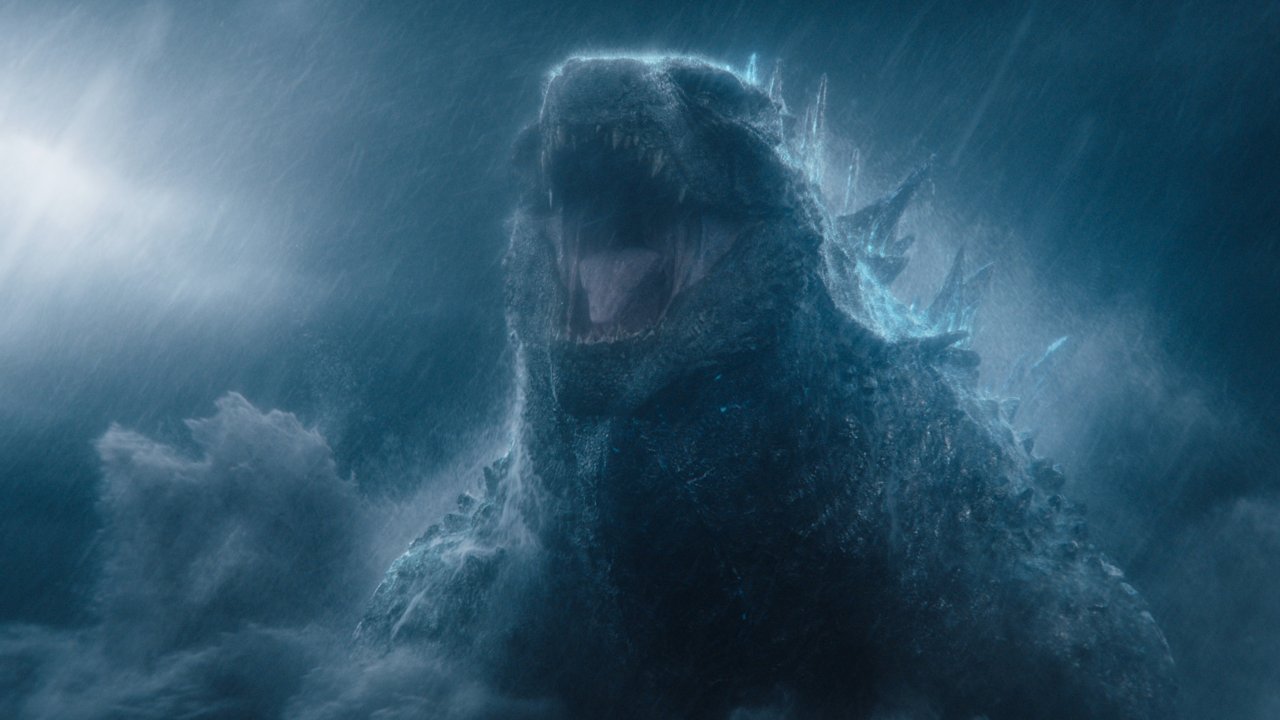
There’s a quiet confidence to this episode of Monarch: Legacy of Monsters that caught me off guard. At this stage in the season, most shows either overextend themselves trying to set up a finale or rush through revelations with little emotional grounding. “Ends of the Earth” doesn’t do either. Instead, it takes a more controlled approach, letting tension accumulate through atmosphere, performance, and a series of deliberate narrative choices that feel earned rather than forced.
What struck me immediately was the sense of scale, not just in the physical sense, although the environments are once again impressive, but in how the episode frames its stakes. The show has always balanced human drama with Titan spectacle, but here, the human side feels sharper, more exposed. The expedition into the frozen terrain isn’t just about discovery; it’s about survival, both physically and morally. Every decision carries weight, and the script allows those consequences to linger rather than moving on too quickly.
The performances are doing a lot of heavy lifting here, particularly in the quieter moments. There’s a noticeable restraint in how characters express fear, doubt, and frustration. Instead of dramatic outbursts, we get controlled reactions—tightened expressions, brief exchanges, and pauses that say more than dialogue ever could. It’s a smart choice, especially given the setting, where emotional restraint feels like a necessity rather than a stylistic decision.
The episode also benefits from a strong sense of visual direction. The icy landscapes aren’t just backdrops; they shape the narrative. The way the camera lingers on vast, empty spaces reinforces the isolation of the team. There’s a recurring emphasis on distance—between characters, between objectives, between what they know and what they’re about to uncover. It creates a subtle but persistent unease that carries through the entire runtime.
That said, the episode isn’t purely introspective. When it does lean into action, it does so with purpose. The Titan sequences are used sparingly, but effectively. There’s a clear understanding that overexposure would dilute their impact. Instead, the glimpses we get are enough to remind us of the scale of the threat without overshadowing the human narrative. One particular sequence, involving a sudden environmental shift triggered by Titan activity, stands out for how it blends spectacle with genuine tension. It feels dangerous in a way that’s grounded, not exaggerated.
Narratively, this episode functions as both a payoff and a setup, which is a difficult balance to maintain. Several threads that have been building over the season begin to converge, especially those tied to Monarch’s internal conflicts. There’s a growing sense that the organization is not just struggling to contain external threats but is also dealing with internal fractures that could be just as damaging. The writing handles this well, avoiding overly dramatic reveals in favor of gradual realization. When certain truths begin to surface, they feel inevitable rather than surprising, which in this case works to the episode’s advantage.
Character dynamics are where the episode really shines. Relationships feel strained but believable. There’s a clear sense that these people have been through enough together to understand each other, but not enough to fully trust one another. That tension is explored through small interactions rather than major confrontations, which makes it more effective. A few conversations carry more weight than entire action sequences because of how much subtext they contain.
However, the episode isn’t without its issues. The pacing, while mostly controlled, occasionally borders on sluggish. There are stretches where the narrative seems to pause rather than progress, particularly in the middle section. While I appreciate the focus on atmosphere and character, a bit more forward momentum would have helped maintain engagement throughout. It’s not enough to derail the episode, but it’s noticeable.
There’s also a slight overreliance on ambiguity in certain plot points. While leaving some questions unanswered is part of the show’s appeal, a few moments feel unnecessarily vague. Instead of building intrigue, they risk creating confusion. A clearer sense of direction in these instances would have strengthened the overall narrative without sacrificing mystery. Another minor issue lies in how some secondary characters are handled. While the main cast receives strong development, a few supporting figures feel underutilized, especially given the high-stakes situation. Their presence is acknowledged, but their perspectives aren’t explored in a meaningful way. It’s a missed opportunity, particularly in an episode that otherwise excels at character work.
Despite these shortcomings, what stays with me is the episode’s tone. There’s a sense of inevitability that runs through it—a feeling that events are moving toward something unavoidable. It doesn’t rely on dramatic twists or shocking reveals to create impact. Instead, it builds tension through consistency, through a steady accumulation of details that point toward a larger collapse.
The direction deserves credit for maintaining this tone without becoming monotonous. There’s enough variation in pacing, framing, and performance to keep things engaging, even during quieter moments. The use of sound design is also worth noting. Silence is used effectively, particularly in scenes where the environment itself becomes a source of tension. When sound does come in—whether it’s dialogue, movement, or something more ominous—it feels deliberate.
By the time the episode reaches its final moments, there’s a clear shift. It doesn’t end with a dramatic cliffhanger in the traditional sense, but there’s a strong sense that the pieces are now in place for something significant. It’s less about what happens next and more about how everything we’ve seen so far is about to converge. What I appreciate most is that the episode trusts its audience. It doesn’t over-explain, and it doesn’t rush to deliver answers. It allows space for interpretation while still providing enough structure to keep things coherent. That balance is difficult to achieve, and while it’s not perfect here, it’s handled with enough care to make the episode stand out.
Overall, “Ends of the Earth” feels like a turning point—not in a loud, attention-grabbing way, but in a quiet, deliberate one. It’s an episode that prioritizes substance over spectacle, even though it’s fully capable of delivering both. It reinforces what the show does best: blending grounded character work with a larger, more unpredictable world. I walked away from it feeling both satisfied and slightly unsettled, which is exactly where a penultimate episode should leave you.
Final Score- [8.5/10]
Hi Everyone, after a due consideration, we have decided that we will be open for donations to help us in managing our website. We will be greatful for any kind of amount we receive. Thanks!
— Midgard Times 🎬 (@Moviesr_net) January 4, 2026
PayPal- [email protected] pic.twitter.com/DlNNz5Npm5
Get all latest content delivered to your email a few times a month.
Bringing Pop Culture News from Every Realm, Get All the Latest Movie, TV News, Reviews & Trailers
Got Any questions? Drop an email to [email protected]


 © Copyrights MOVIESR.NET All rights reserved