


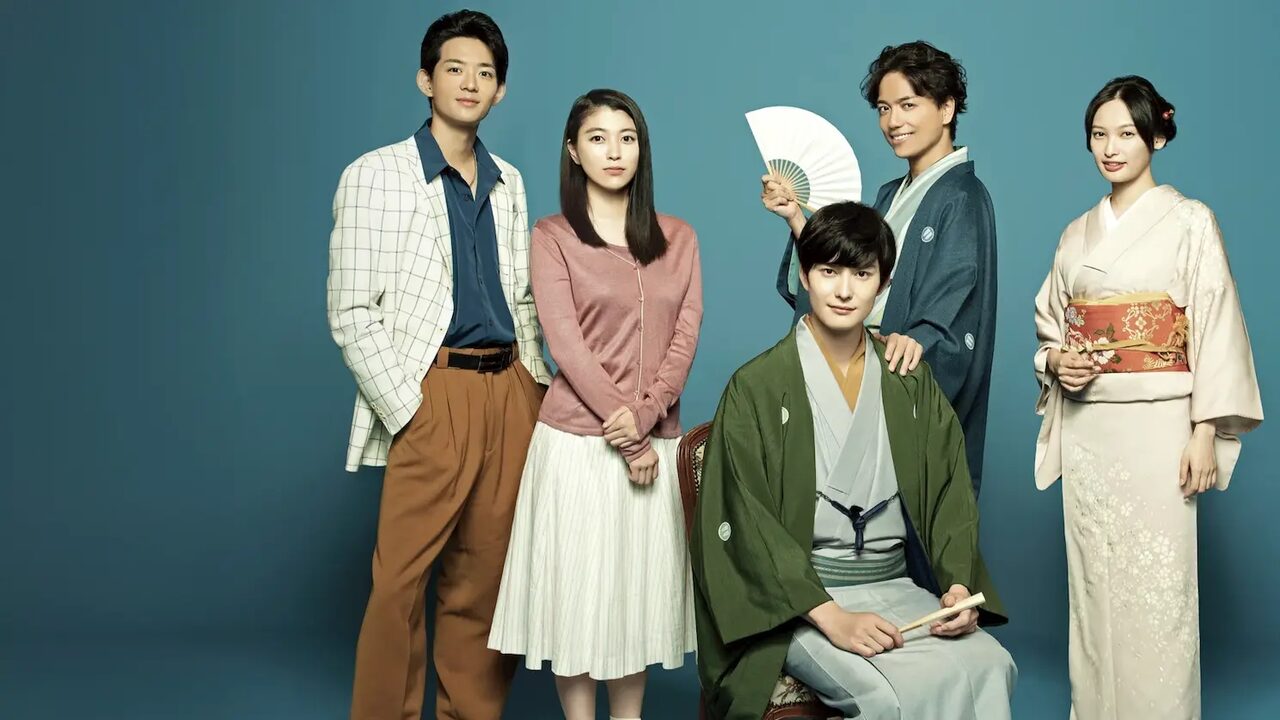
Sounds of Winter opens with a gentle and quiet mood, featuring Ayana, portrayed by Hana Sugisaki, who is sitting alone in a laundromat at night, absorbed in her music through headphones while the machines hum around her. This ordinary setting is transformed into a moment filled with potential significance, as the show's thoughtful presentation evokes emotional depth. A man, played by Ryo Narita, approaches her to discuss the music she's listening to, leading to an exchange characterized not by grand romantic gestures but by a more subdued and human interaction. Their conversation feels awkward yet curious and helps establish the series' dedication to emotional authenticity.
Ayana, a novelist, has become cautious in her interactions due to past relationships that ended poorly, revealing her character gradually through subtle actions and dialogue rather than explicit exposition. Her careful choice of words and pauses in conversation allow the audience to glean insights into her feelings and hesitations. This nuanced portrayal creates a sense of humanity and acknowledges her accumulated disappointments, framing her reluctance to invest in emotional connections as a natural reaction to vulnerability rather than a flaw, lending her character both dignity and credibility.
The man Ayana meets is quiet and calm, exhibiting a warm interest in her thoughts without being overly intrusive. Their conversation unfolds from music to more personal topics, revealing their mutual feelings of loneliness and exhaustion. The strength of their dialogue lies not in the substance of their words but in the manner of their delivery, marked by moments of silence and meaningful gazes exchanged along with faint, understanding smiles. The direction of the episode favors a slower pacing, allowing viewers to engage fully with the unfolding scene, subverting contemporary expectations for rapid-fire dialogue.
As the episode progresses, it becomes clear Ayana is currently in an unsatisfying relationship with her partner, portrayed by Amane Okayama. While he is not unkind, the emotional disconnect and myriad misunderstandings between them contribute to their shared fatigue and unhappiness. The series navigates these complexities without labeling Ayana’s actions as right or wrong, instead highlighting her internal struggle as she yearns for intimacy while grappling with the fear of further hurt. The gradual emotional drift between her and her partner avoids cliché romantic tropes, depicting instead the quieter dissolution of connection that can occur in relationships.
The screenplay shines due to its realistic dialogue; characters speak in a way that mirrors authentic conversation, often interrupting one another or leaving thoughts unfinished, which adds a layer of relatability. Their imperfections and contemplative thoughts enable them to feel more like real people than scripted characters, with the narrative capturing the essence of candid human interaction. Silence plays a crucial role in conveying Ayana’s internal landscape, particularly during her solitary moments when she wrestles with her feelings, allowing the audience to connect with her experiences further.
Visually, Sounds of Winter is striking, featuring soft and subdued cinematography that avoids overt brightness and loud colors. The deliberate camera movement enhances the intimate atmosphere, immersing viewers in the characters' world. The depiction of the winter cityscape balances coldness with cozy warmth, underscoring themes of contemplation and emotional connection. Each scene is thoughtfully crafted, maintaining a serene ambiance that invites viewers to pause and reflect. The production successfully eschews visual excess, opting instead for clarity and emotional resonance, aligning perfectly with the show’s overall tone.
The music plays an important part. It does not overwhelm the scenes; it slips in softly, often mixing with the background noises. As the music becomes more noticeable, it helps to enhance the emotional moments without overpowering them. The decision to start the story with a scene where people are listening to music together is really good. It shows how sound can connect people in an emotional way. This also suggests that people can feel a connection with each other through shared experiences like listening to music, even before they really talk about what they mean.
The pacing of the series is excellent. The episode moves along slowly. It never gets boring. Each part of the episode adds a bit of feeling, and that makes you think about things. The series builds up a lot of emotions. Makes you look inside yourself. People who like stories that have a lot of action might get a little impatient with how slow it goes. There are some parts where the story stays on one thing for a bit too long, like when someone is thinking deeply by themselves. These parts are done well, but making them a little shorter could have made the whole episode flow better, without losing any of the important stuff. The pacing and the series and the episode all work together to make you feel things.
Similarly, some supporting characters are introduced rather briefly, leaving their motivations and emotional textures underdeveloped in this opening chapter. While this is understandable given the series’s slow-burning approach, a bit more contextual grounding could have enriched the emotional stakes early on. These are minor concerns, though, and they do little to undermine the episode’s overall effectiveness.
What stands out most is the show’s emotional honesty. Sounds of Winter does not promise sweeping romance or dramatic twists. Instead, it offers something quieter and more fragile: the possibility of connection in a world shaped by disappointment. It explores how people carry emotional residue from past relationships and how that residue shapes present choices. This thematic focus feels mature and refreshingly sincere, especially in a genre that often leans toward exaggerated emotional stakes.
By the end of the episode, there is no grand resolution or definitive turning point. Instead, there is a lingering sense of possibility, accompanied by uncertainty. Ayana’s encounter at the laundromat remains unresolved, suspended between memory and anticipation. This restraint is precisely what makes the ending effective. It invites viewers to sit with emotional ambiguity, mirroring the characters’ own hesitation and hope.
In its first episode, Sounds of Winter establishes itself as a carefully observed, emotionally intelligent series that values nuance over spectacle. Through strong performances, thoughtful writing, and a restrained visual style, it crafts an intimate portrait of vulnerability and emotional resilience. While its slow pace and understated approach may not appeal to everyone, those willing to engage with its gentle rhythms will find a quietly rewarding experience. It is a promising beginning that suggests a series deeply invested in the complexity of human connection, and it leaves me eager to see how Ayana’s emotional journey unfolds in the episodes to come.
Final Score- [8/10]
Reviewed by - Anjali Sharma
Follow @AnjaliS54769166 on Twitter
Publisher at Midgard Times




Hi Everyone, after a due consideration, we have decided that we will be open for donations to help us in managing our website. We will be greatful for any kind of amount we receive. Thanks!
— Midgard Times 🎬 (@Moviesr_net) January 4, 2026
PayPal- [email protected] pic.twitter.com/DlNNz5Npm5
Get all latest content delivered to your email a few times a month.
Bringing Pop Culture News from Every Realm, Get All the Latest Movie, TV News, Reviews & Trailers
Got Any questions? Drop an email to [email protected]



 © Copyrights MOVIESR.NET All rights reserved