


I went into Season 5 of For All Mankind with a mix of excitement and caution, and it didn’t take long to see why this show continues to hold such a firm grip on the science fiction drama space. It’s still one of the rare series that treats speculative storytelling with seriousness, patience, and a clear respect for both science and human behavior. At the same time, this season feels like a pivot point, less about survival and more about identity, ownership, and what it means to build a society away from Earth.
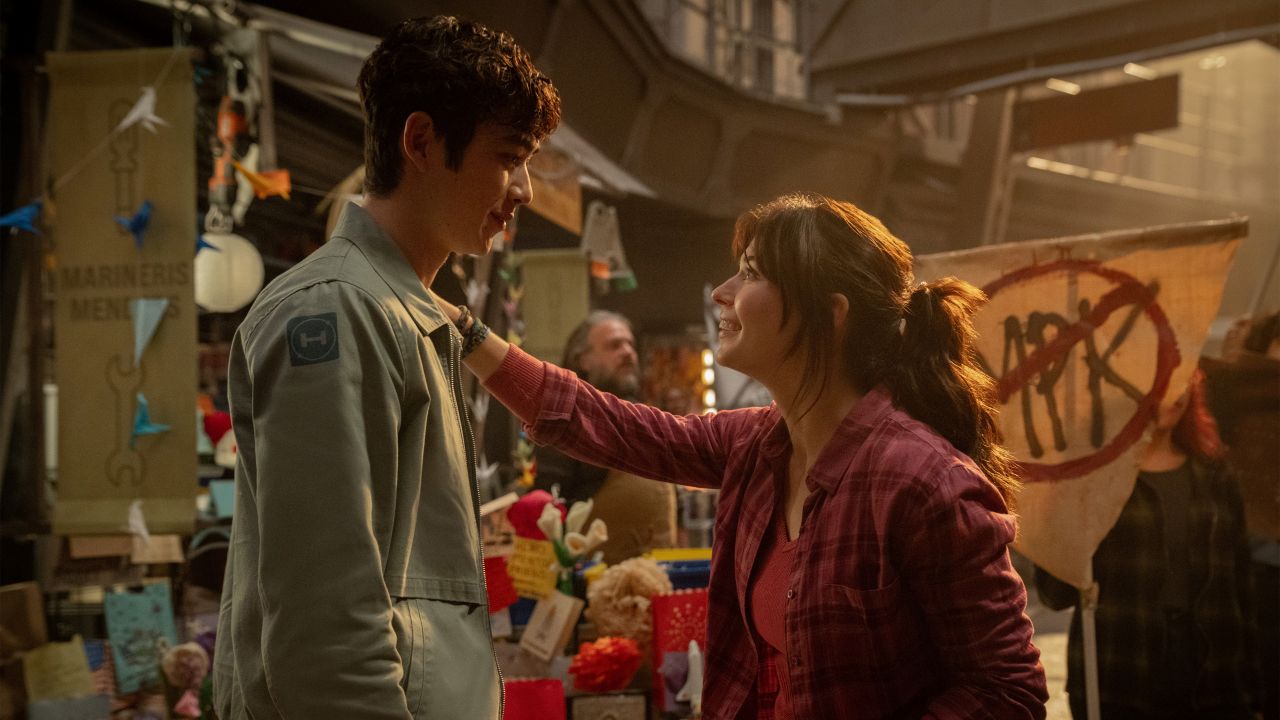
The time jump into the 2010s works in the show’s favor. The Mars colony, Happy Valley, is no longer a fragile outpost but a functioning settlement with thousands of residents. This shift in scale is immediately noticeable. The production design reflects it beautifully: the base feels lived-in, layered, and slightly chaotic in a way that suggests real growth rather than a polished sci-fi fantasy. There’s infrastructure, culture, and even hints of class division. I appreciated how the show didn’t romanticize this expansion; instead, it treats it as messy and politically charged.
The central conflict drives most of the narrative, and it’s handled with a level of nuance that I found engaging. The resentment from Martian residents feels earned, especially after the asteroid heist that secured their economic future but also deepened distrust. On the other side, Earth’s insistence on control doesn’t come across as purely villainous; it feels bureaucratic, slow, and inevitable. The writing does a solid job of presenting both perspectives without flattening either into a caricature.
What really stood out to me this season is the generational shift. The introduction of Alex Baldwin as a more central figure signals a clear transition from the pioneers of earlier seasons to those who have grown up in the shadow of their decisions. His arc is one of the more compelling threads, especially as he begins to internalize the idea that Mars is not just a mission but a home worth defending. There’s a quiet confidence in how the show allows this new generation to take up space without completely sidelining legacy characters.
That said, the legacy characters still carry emotional weight. Watching an older Ed navigate a world that has outgrown him is both satisfying and slightly frustrating. His stubbornness, which once felt heroic, now borders on repetitive. I found myself wishing the writing would push him into more unexpected territory rather than relying on familiar beats of defiance and moral ambiguity. It’s not that his presence is unwelcome, but it sometimes feels like the show isn’t ready to fully let go.
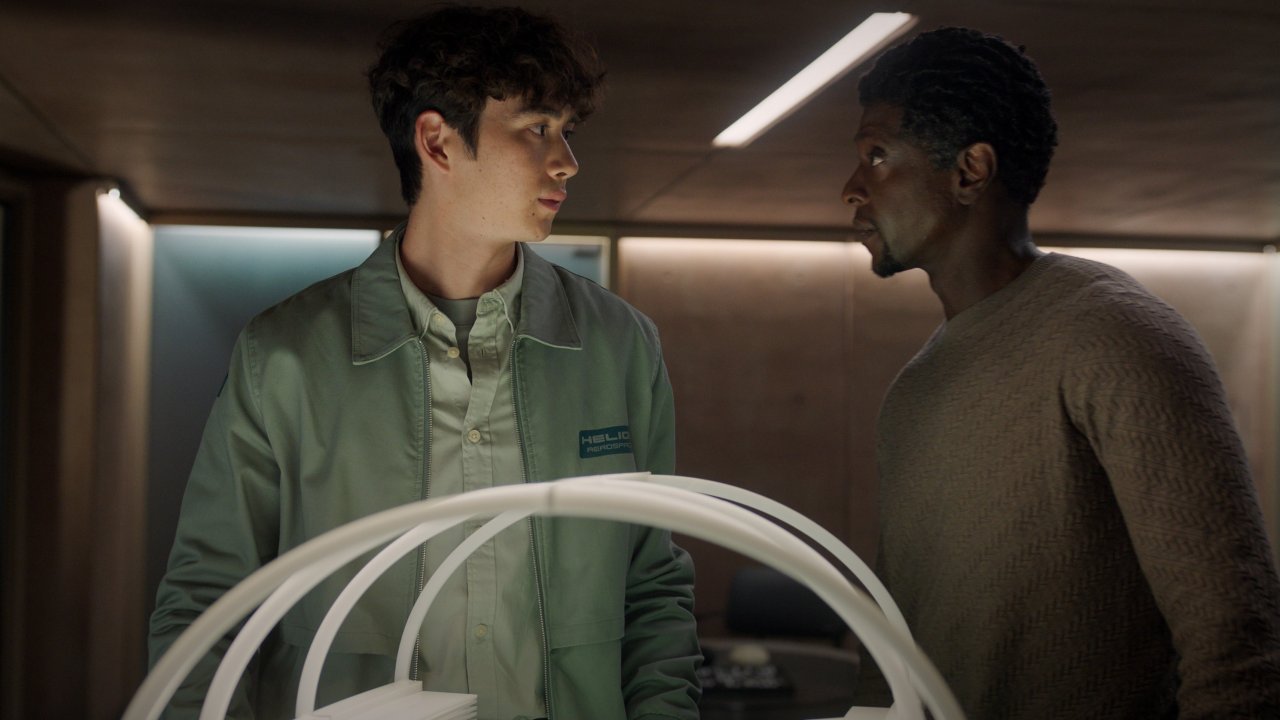
Performance-wise, the cast continues to deliver across the board. There’s a grounded quality to the acting that keeps even the more dramatic moments from tipping into melodrama. Edi Gathegi’s Dev Ayesa remains one of the more interesting figures, embodying the uneasy blend of ambition and idealism that defines much of the show’s tone. His vision for Mars adds another layer to the central conflict, especially as it clashes with both governmental control and grassroots resistance.
Visually, the season is as strong as ever. The depiction of Mars has evolved alongside the story, moving from stark isolation to something more complex and inhabited. The cinematography leans into wide shots that emphasize scale, but it also knows when to pull back and focus on intimate moments. I particularly liked how the show uses space not just as a setting but as a constant pressure, something that shapes every decision and interaction.
Where the season occasionally stumbles is in pacing. For All Mankind has always been a slow-burn series, but here the balance feels slightly off. Some episodes stretch out plotlines that don’t quite justify the runtime, while others rush through developments that could have used more breathing room. The political tension between Earth and Mars, for example, builds effectively but sometimes jumps forward in ways that feel abrupt rather than earned.
There’s also a noticeable density to the storytelling this time around. The show is juggling multiple threads—political conflict, generational change, scientific exploration, and hints of expansion beyond Mars- and not all of them receive equal attention. The subplot involving further exploration into the outer solar system is intriguing, but it feels underdeveloped compared to the more immediate Mars-centric drama. I wanted more time spent on that sense of discovery, especially since it has been part of the show’s long-term vision from the beginning. Despite these issues, the writing remains thoughtful. The dialogue is measured and purposeful, avoiding unnecessary exposition while still conveying complex ideas. There’s a confidence in how the show trusts its audience to keep up, which I found refreshing. It doesn’t simplify its themes or reduce its conflicts to easy answers.
What continues to strike me is how well the season conveys the subject of transition. This is no longer a story about reaching space; it is about what happens once you remain. The tone reflects this transformation, exchanging the excitement of discovery for the complications of permanence. It's a subtle but meaningful transition, and the program handles it with great care. At the same time, I couldn't avoid the feeling that Season 5 sets up far more than it resolves. There's a strong sense that groundwork is being prepared for future arcs, particularly with the extension beyond Mars and the development of Martian identity. While this isn't necessarily a fault, it does make some parts of the season feel like a bridge rather than a whole chapter.
Even so, I found myself consistently invested. The combination of strong performances, careful world-building, and a willingness to engage with complex ideas keeps the series compelling. It’s not flawless, and it occasionally leans too heavily on its established rhythms, but it still stands out as one of the more thoughtful entries in the genre. By the end, I was left with a mix of satisfaction and curiosity. The show continues to evolve, even if it doesn’t always move at the pace I’d prefer. It’s still asking interesting questions, still building a world that feels tangible, and still trusting its audience to follow along. For a series of five seasons, that’s an achievement in itself.
Final Score- [7/10]
Reviewed by - Anjali Sharma
Follow @AnjaliS54769166 on Twitter
Publisher at Midgard Times
Premiere Date: March 27, 2026, on Apple TV+, with the first episode, while the rest will be released weekly every Friday.


Hi Everyone, after a due consideration, we have decided that we will be open for donations to help us in managing our website. We will be greatful for any kind of amount we receive. Thanks!
— Midgard Times 🎬 (@Moviesr_net) January 4, 2026
PayPal- [email protected] pic.twitter.com/DlNNz5Npm5
Get all latest content delivered to your email a few times a month.
Bringing Pop Culture News from Every Realm, Get All the Latest Movie, TV News, Reviews & Trailers
Got Any questions? Drop an email to [email protected]



 © Copyrights MOVIESR.NET All rights reserved