

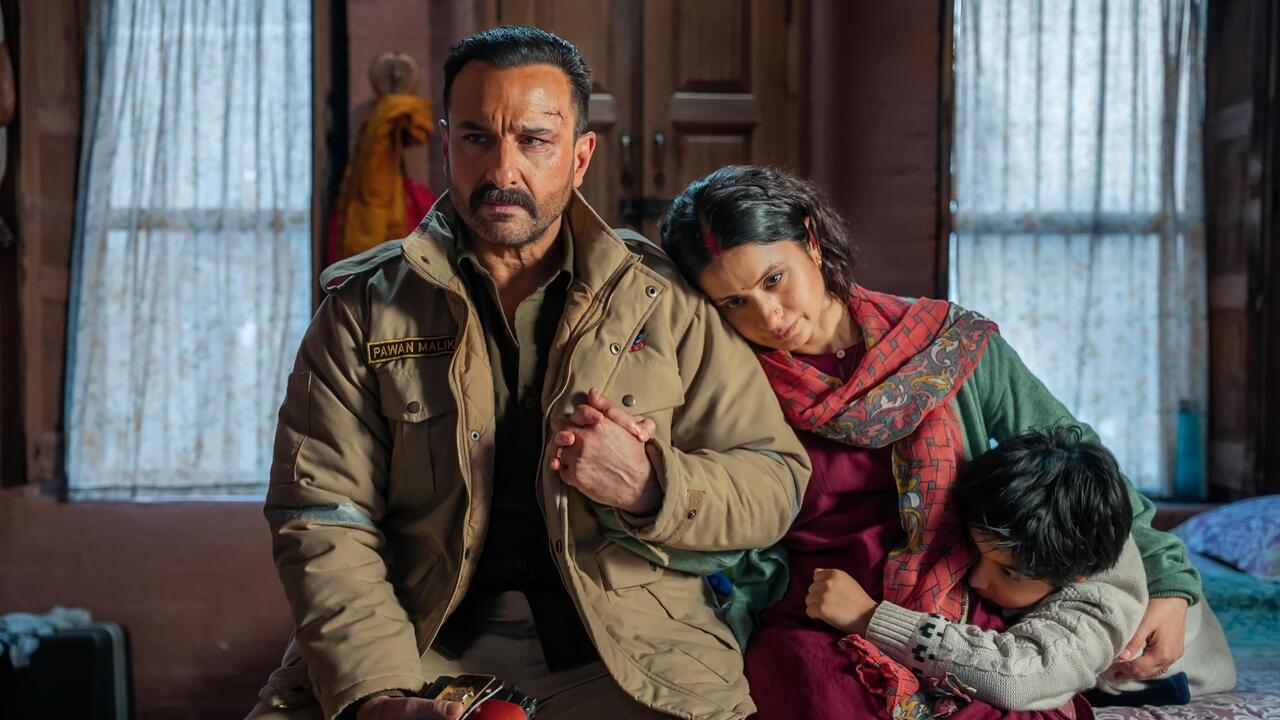
There is a scene in Pulkit's Kartavya where a young boy, Harpal (Yudhvir Ahlawat), weeps after noticing a parent feeding their child at a dhaba. He mourns the life he never had and never will. The implication is so powerful that it lands like a muted punch to the gut. Why muted? Because as a writer, Pulkit fails to provide Harpal with either a rich inner or outer life, and as a director, he merely points the camera at the action. I can understand Pulkit's righteous rage—I share many of his frustrations. But as a filmmaker, he struggles to do justice to his chosen medium, as he also did in Bhakshak. Pulkit's anger might be potent, but it emerges in generic terms. Look at the big villain in Kartavya: he is a godman named Anand Shri who runs the Anand Shri ashram, and he's played by Saurabh Dwivedi, a real-life journalist who, in the movie, is responsible for the murder of an honest reporter. I couldn't swallow this playful wink. It's a gross miscalculation that introduces cheeky humor into a story meant to be gritty, serious, and educational.
What Pulkit actually has is so thin and insufficient that he presents it with raw sensationalism. When men casually discuss how to kill intercaste couples, Pulkit practically signals the audience to be horrified by the lack of compassion. The issue is not whether such conversations happen, and there might indeed be anonymous killers hired to dispatch intercaste spouses. Still, the tone feels off. One senses Pulkit pointing at the men and saying, "Look how cruel these people are." For this writer-director, these talks are self-sufficient. They arrive as this-is-how-some-people-are statements. They also exist in an airless vacuum. Someone like Anand Shri is presented as a broad collection of evil traits and stiff mannerisms. How does his business function? How are the finances handled? How do political parties and the government help him stay in power? Who are the VIPs he knows? What else does Anand do with young boys apart from sending them on assassination missions? What is Anand's own history like? How did he enter this business?
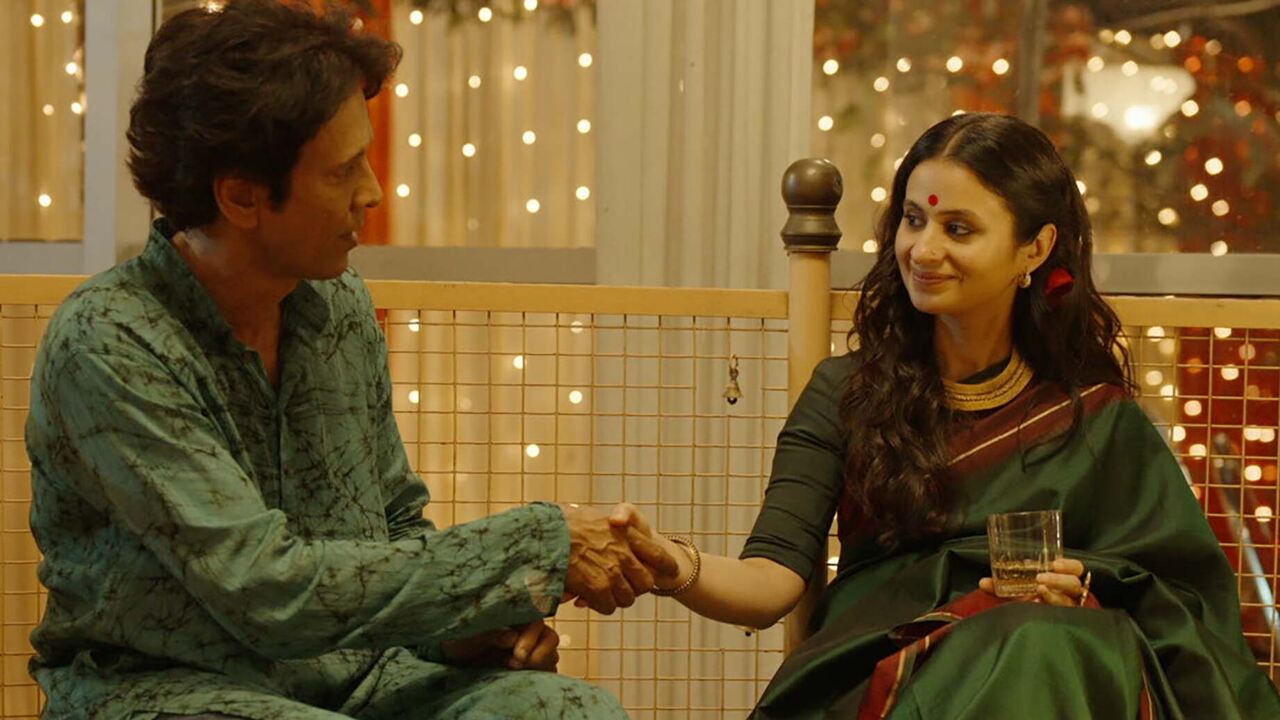
Without engaging with crucial specifics, Pulkit creates a drama with all the effectiveness of an idle slogan or generalized statement like "This is how the world is" or "These are the sort of corrupt individuals who hold all the power." It's the kind of remark your dad or uncle makes after scrolling through self-righteous WhatsApp forwards. Moreover, like many mainstream Bollywood filmmakers, Pulkit throws in a dash of Indian mythology, which seems to be the current trend. SHO Pawan (Saif Ali Khan) invokes the Mahabharata as a reminder that everybody must do their duty no matter who's standing before them, foreshadowing the climax where Pawan shoots his own father (Zakir Hussain). Pulkit also dispenses digestible slogans through lines like the one where Varsha (Rasika Dugal) tells Pawan how they used to look the other way when their neighbors were going through trouble. He also underlines how poisonous viewpoints pass from one generation to another when Pawan's youngest son repeats a line about a cancerous finger that he hears from his grandfather.
Pulkit is too obvious about his intentions. This doesn't mean a subtle approach is preferable. One can make a terrific movie by being direct and obvious, which is something Anubhav Sinha often does. In Assi, Sinha not only tackled a sensitive issue directly, but did so with a bold artistic voice that marked his evolution as a filmmaker. Pulkit, on the other hand, displays no artistic vision. Instead of being imaginative, he shields himself behind a wall of good intentions. For this director, a good message seems to be enough substance to fuel a feature. The intentions themselves become the film's primary virtue, while everything else is merely serviceable. The plain images do little more than illustrate what's written in the script, and the actors validate the writer's notions with theatrical angst and speeches. With all their moral posturing, movies like Kartavya exist in an echo chamber. Pulkit should have taken a hint from the movie's title and fulfilled his own duties as a filmmaker. That might have resulted in a film with a cinematic style, memorable characters, and intellectual substance. That version of Kartavya would have landed with the force it keeps straining toward.
Final Score - [3.5/10]
Reviewed by - Vikas Yadav
Follow @vikasonorous on Twitter
Publisher at Midgard Times
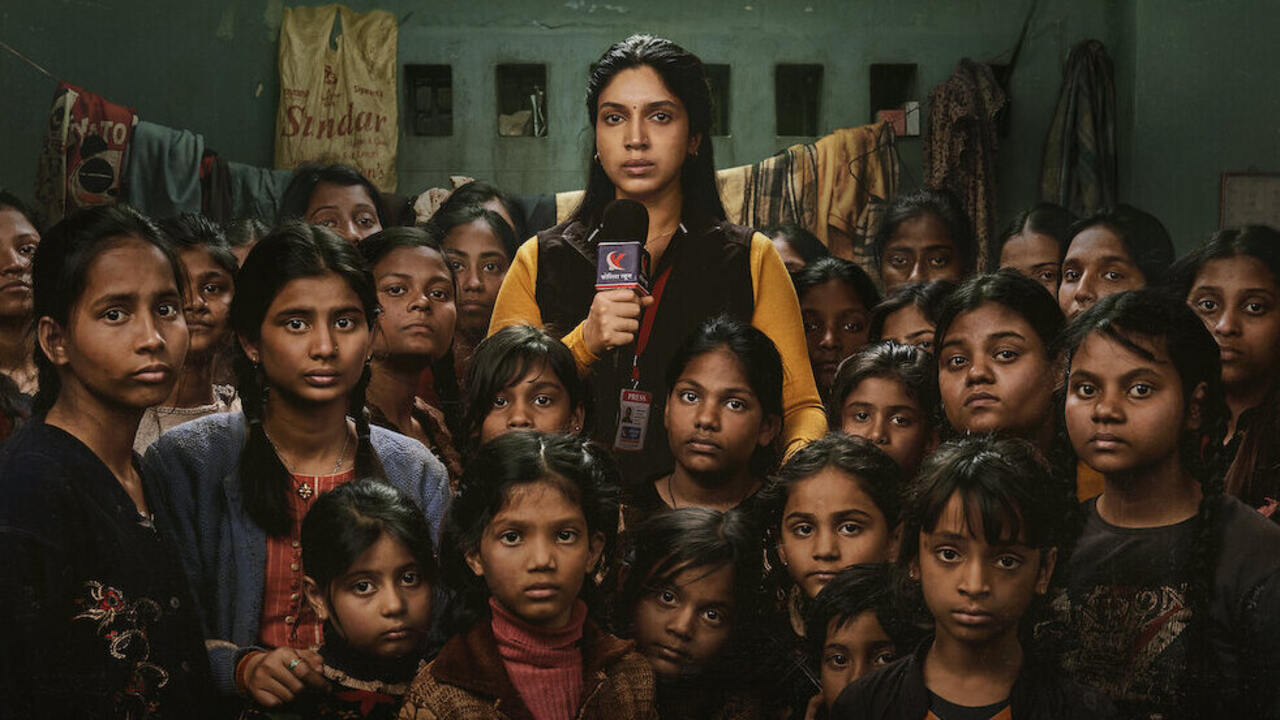

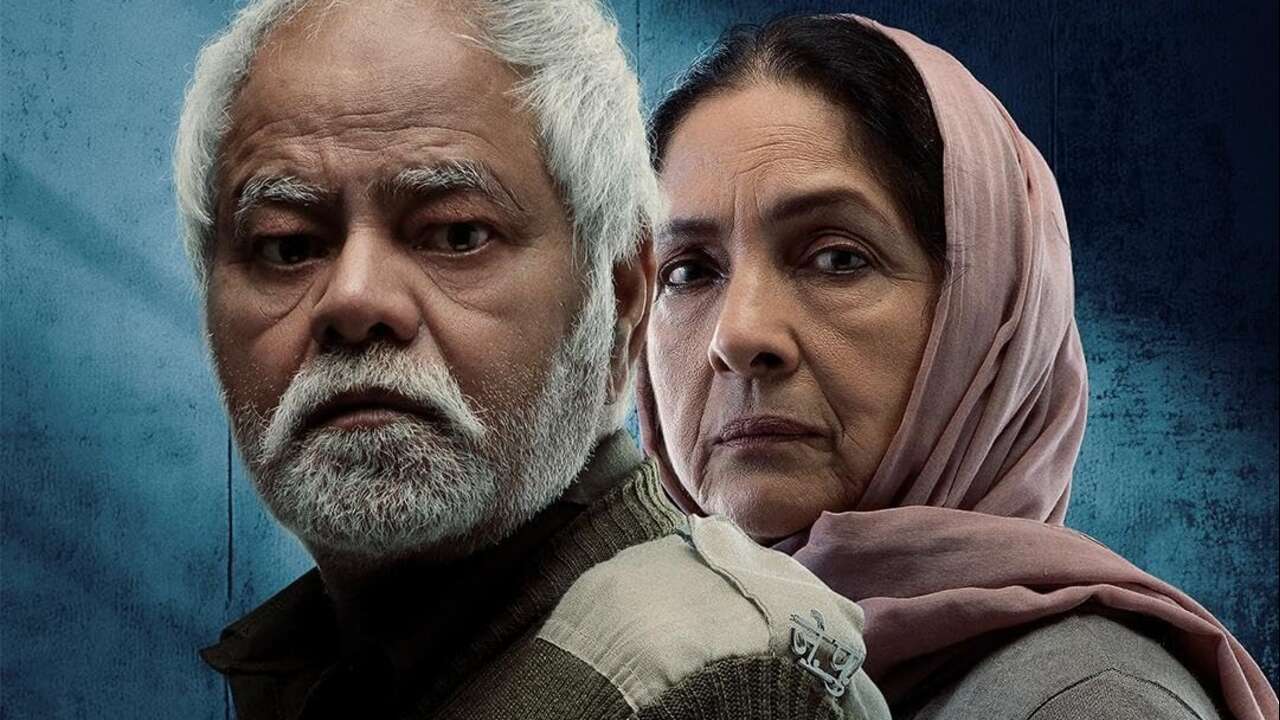
Hi Everyone, after a due consideration, we have decided that we will be open for donations to help us in managing our website. We will be greatful for any kind of amount we receive. Thanks!
— Midgard Times 🎬 (@Moviesr_net) January 4, 2026
PayPal- [email protected] pic.twitter.com/DlNNz5Npm5
Get all latest content delivered to your email a few times a month.
Bringing Pop Culture News from Every Realm, Get All the Latest Movie, TV News, Reviews & Trailers
Got Any questions? Drop an email to [email protected]



 © Copyrights MOVIESR.NET All rights reserved