

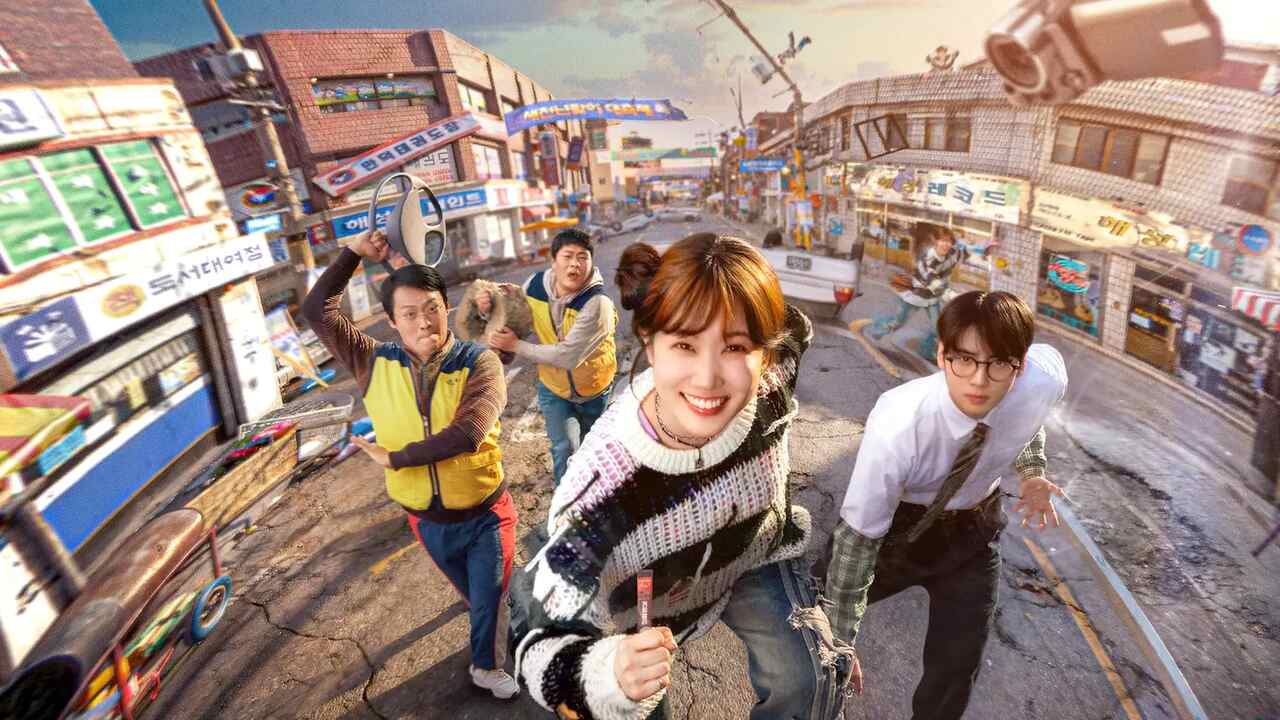
I’ll be honest—The WONDERfools had me hooked embarrassingly fast. Not “this seems promising” hooked. Not “I’ll finish this over the weekend” hooked. I mean, the dangerous kind of hooked where you casually tell yourself you’ll watch one episode before bed, and suddenly it’s 2 a.m., your tea is cold, your notes are getting increasingly emotional, and you’ve somehow become deeply invested in a group of small-town weirdos with questionable judgment and accidental superpowers, that has me hooked, and honestly, I loved almost everything about it.
Netflix has done ensemble dramedies before. It has done superhero stories. It has definitely done quirky small-town mysteries. What The WONDERfools manages to do is blend all three in a way that never feels manufactured. It’s weird, yes. Often gloriously weird. But it earns that weirdness through character, through emotional honesty, and through a surprisingly mature understanding that people who feel broken often make the best heroes—mostly because they’ve already spent their whole lives learning how to survive without anyone expecting much from them.
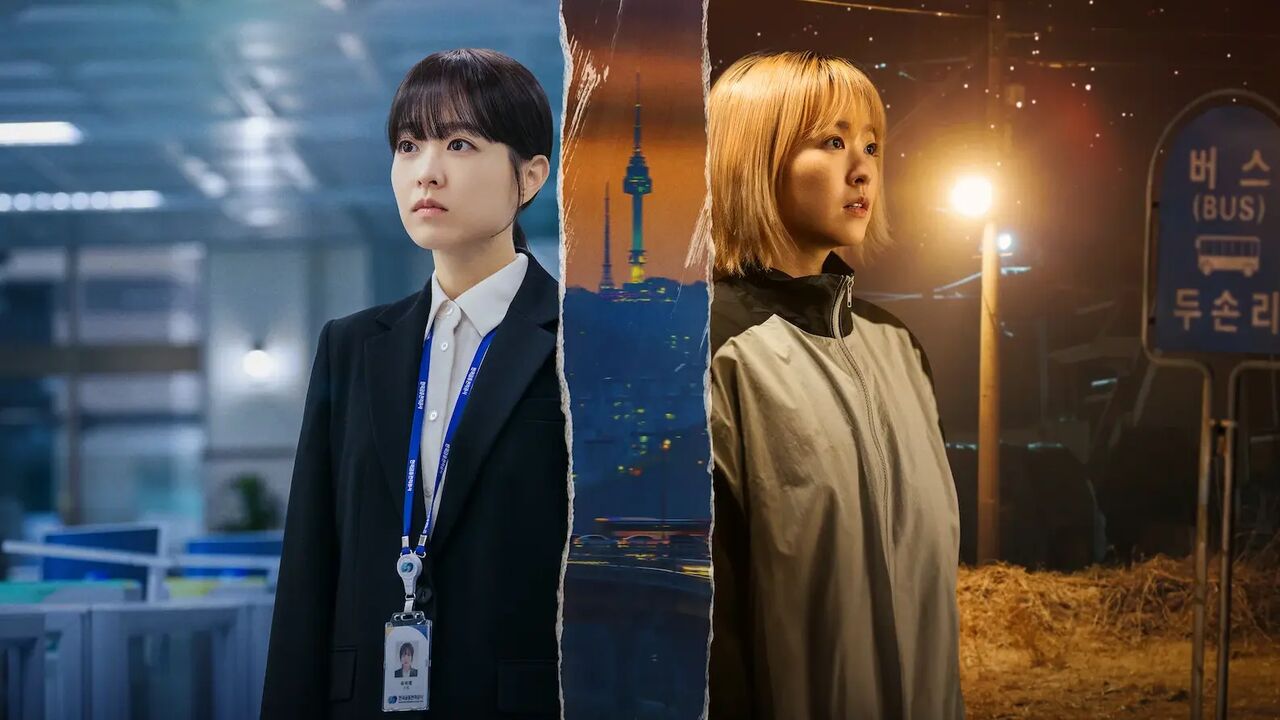
At the center of all the chaos is Eun Chae-ni, played brilliantly by Park Eun-bin, and honestly, this may be one of my favorite performances of the year. Chae-ni is introduced as what the town clearly sees as a walking disaster—funny, impulsive, underemployed, slightly chaotic, occasionally reckless, and somehow always at the center of situations that seem one bad decision away from becoming police reports. Naturally, I loved her immediately.
What makes Chae-ni work so well is that Park Eun-bin never plays her like a “quirky female lead.” That would’ve been the easy version. Instead, she plays her like someone who’s spent years being underestimated and has slowly turned that into both armor and identity. She’s funny without trying to be funny. She’s emotionally messy without ever feeling written. And beneath all the impulsive energy, there’s a loneliness that quietly sneaks up on you.
Then the powers arrive. And thankfully, The WONDERfools doesn’t waste time pretending this is some glamorous superhero awakening. Nobody suddenly becomes cooler. Nobody gets cinematic confidence. Nobody dramatically stares at their hands while orchestral music plays. These people panic. They make terrible decisions. They hide things badly. They argue. They accidentally break furniture. It’s wonderful.
Then enters Lee Un-jeong, played by Cha Eun-woo, and I’ll admit I was slightly worried at first that the show might lean too hard into “mysterious handsome outsider with emotional walls.” Korean dramas do occasionally enjoy that archetype. Thankfully, Un-jeong is much stranger—and much better—than that.
He’s a socially awkward civic servant from Seoul, deeply rule-oriented, emotionally stiff, weirdly literal, and clearly not built for the kind of small-town chaos Haeseong specializes in. Watching Cha Eun-woo play against his usual polished charisma is one of the season’s best surprises. He’s funny in a very dry, painfully sincere way, and his chemistry with Park Eun-bin works because neither character is trying to impress the other. They’re mostly trying to survive each other. And it’s great.
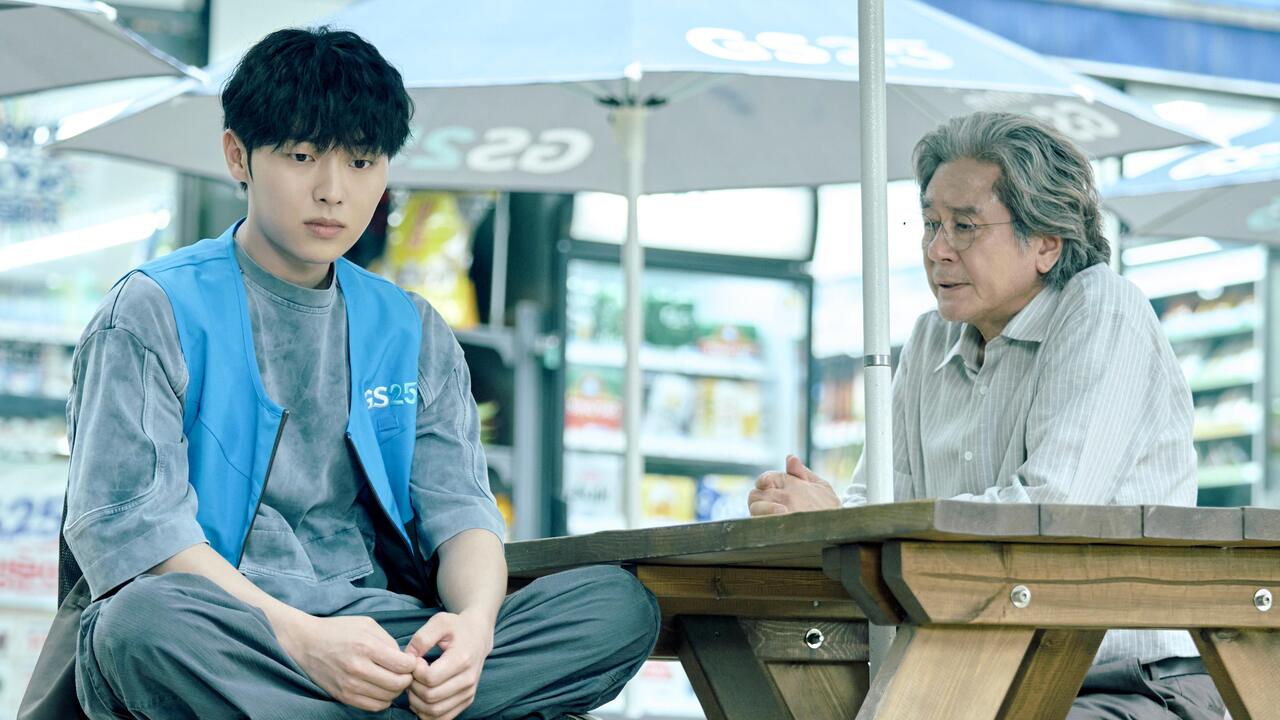
The supporting cast is where the show goes from “very good” to “dangerously bingeable.” Kim Hae-sook as Chae-ni’s grandmother, Kim Jeon-bok, is phenomenal—warm, funny, terrifying when necessary, and clearly hiding enough secrets to fuel an entirely separate spin-off. Choi Dae-hoon and Im Sung-jae bring some of the funniest energy in the series as two completely ordinary men who suddenly discover that superpowers do absolutely nothing to improve emotional maturity. If anything… It makes things worse. And then there’s Son Hyun-joo as Ha Won-do, who might quietly be the most interesting person in the entire show. The less said about him, the better, but every scene he appears in immediately changes the energy of the room. That’s not charisma. That’s a threat.
Visually, The WONDERfools is fantastic. The 1999 setting is handled with real affection, but thankfully without becoming one long nostalgia commercial. The fashion, the electronics, the posters, the street signs, the convenience stores, the old city hall offices, it all feels lived in rather than designed for Instagram screenshots. Haeseong feels like an actual place with actual history, and that matters because so much of the story depends on the town itself feeling like a character. The action scenes are surprisingly strong, too. Not a huge Marvel-scale spectacle. Not endless CGI noise. Just creative, character-driven chaos where powers feel unpredictable, slightly inconvenient, and often more embarrassing than empowering. Which honestly makes them more fun.
The writing deserves enormous praise. Dialogue feels sharp, lived-in, and genuinely funny. Characters interrupt each other. They avoid saying what matters. They joke at the worst possible moments. Emotional breakthroughs don’t arrive with speeches—they arrive with bad timing, accidental honesty, and people saying the wrong thing until it somehow becomes the right thing. That kind of writing is harder than it looks. And this show makes it look effortless.
What surprised me most, though, is how emotionally grounded everything stays. Underneath all the powers, mysteries, comedy, and late-90s apocalypse panic, The WONDERfools is really about loneliness, community, shame, second chances, and what happens when people who’ve spent their whole lives feeling like background characters suddenly realize they matter. That hit harder than I expected. Now, is it perfect? Almost. Very nearly.
There are one or two episodes in the middle where the mystery mechanics briefly become more interesting to the writers than the emotional relationships. Not enough to derail anything, but enough that I noticed the pacing slow slightly. There’s also one late reveal—emotionally satisfying, beautifully performed, visually excellent—that arrives with timing so perfect I raised one respectful eyebrow. Emotionally? It absolutely works. Logically? …The universe was being unusually cooperative. Still, when ninety-five percent of a series is operating at this level, those complaints feel microscopic.
By the time the finale ended, I wasn’t thinking about powers, villains, mysteries, or cliffhangers. I was thinking about these people—their scars, their weirdness, their friendships, their terrible coping mechanisms, and the quietly beautiful idea that sometimes the people who feel most broken are exactly the ones who end up saving everybody else. That’s not just good genre television, that’s great television, and The WONDERfools comes dangerously close to being something special.
Final Score- [9.5/10]
Reviewed by - Anjali Sharma
Follow @AnjaliS54769166 on Twitter
Publisher at Midgard Times
Hi Everyone, after a due consideration, we have decided that we will be open for donations to help us in managing our website. We will be greatful for any kind of amount we receive. Thanks!
— Midgard Times 🎬 (@Moviesr_net) January 4, 2026
PayPal- [email protected] pic.twitter.com/DlNNz5Npm5
Get all latest content delivered to your email a few times a month.
Bringing Pop Culture News from Every Realm, Get All the Latest Movie, TV News, Reviews & Trailers
Got Any questions? Drop an email to [email protected]

 © Copyrights MOVIESR.NET All rights reserved